Cegeka Arena
Genk, Belgium
Hasselt Belgium
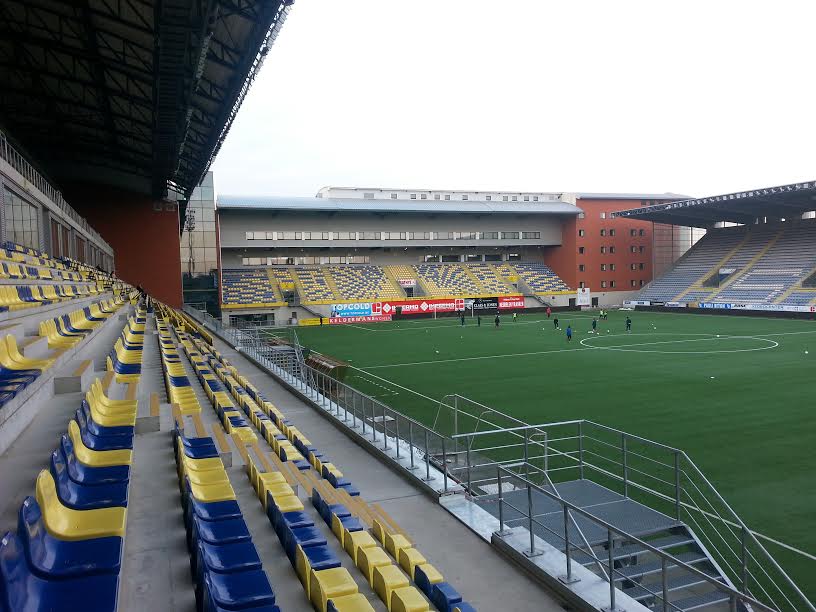
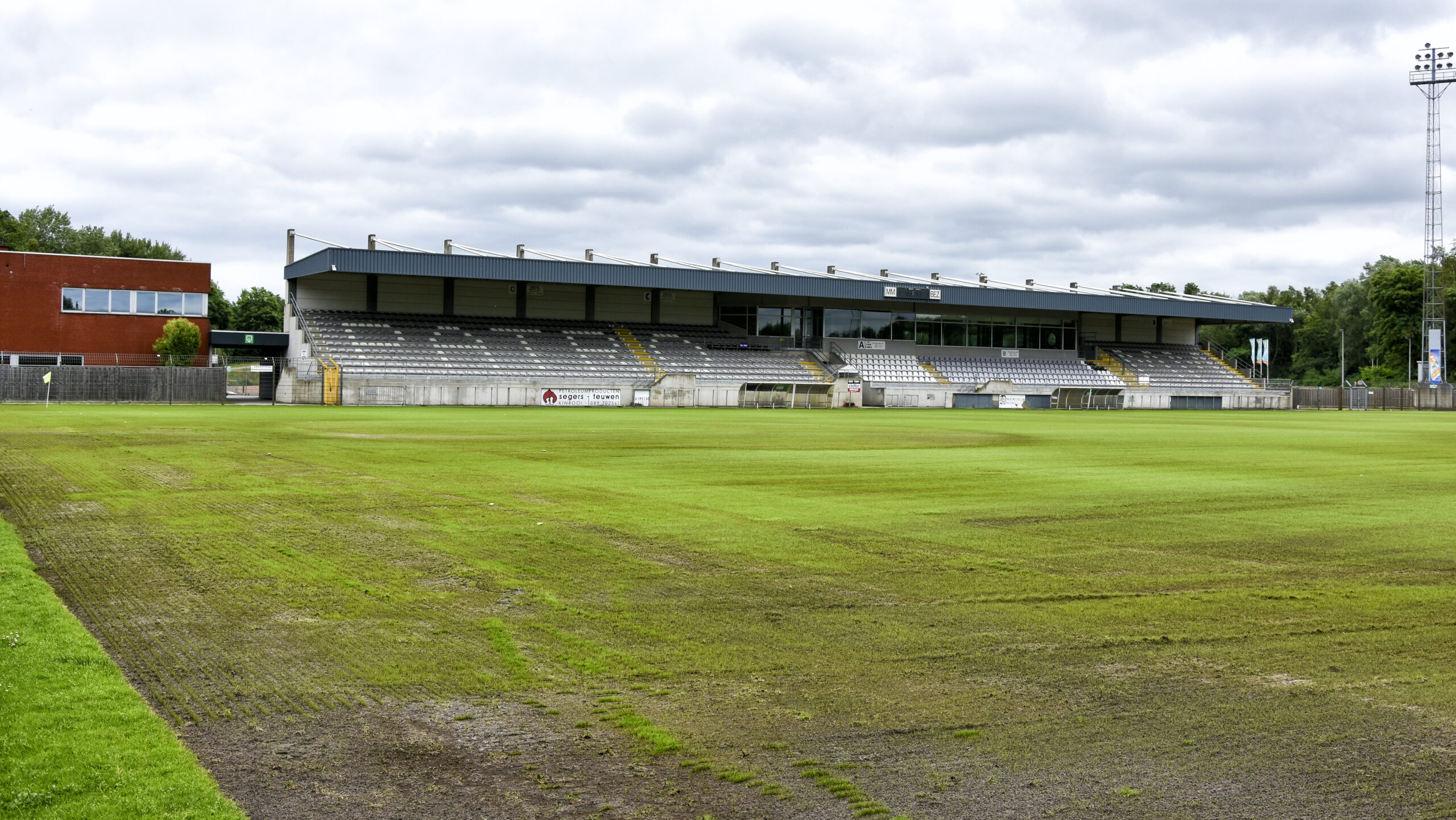
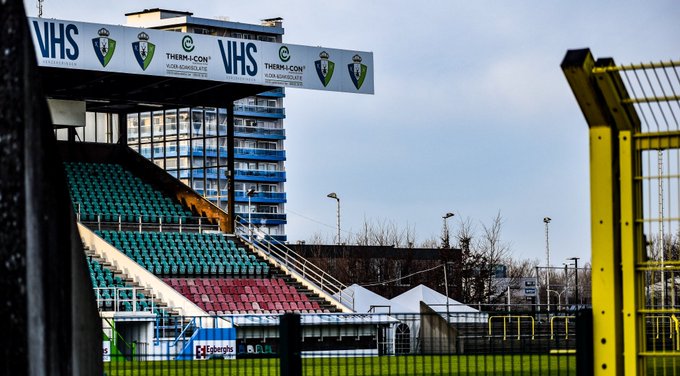
Stade Stedelijk Sportstadion Hasselt is a classic Belgian football arena situated in the Flemish city of Hasselt. The venue features an officially verified capacity of 8800 spectators and serves as the long-term home ground for Koninklijke Sporting Hasselt. The stadium does not possess a formal UEFA category ranking because it is primarily utilized for domestic fixtures outside elite continental tournaments. Its concrete architectural singularity lies in its urban integration, as the steep concrete standing terraces are built directly adjacent to residential properties and local backyard gardens.
Door EliasRom2005 - Eigen werk, CC BY-SA 4.0, Koppeling
8.800
The football history of the ground began in 1908 when the sporting site was first established to serve the needs of emerging football clubs in the province of Limburg. The venue underwent its most significant modern structural transformation during the late twentieth century, specifically in 1979 when a permanent covered main stand was erected to replace older wooden configurations. Following the historical merger of regional football entities in 2001 that established the modern resident club, the property was legally retained by the local municipality of Hasselt which continues to oversee the facility.
The structural design of the arena follows an old-school four-stand English rectangular blueprint layout with completely open corners. The primary building materials consist of weathered reinforced concrete for the terracing steps and raw corrugated sheet metal panels for the covered roof structures. The acoustic engineering is completely traditional and decentralized, as the lack of corner enclosures allows chanting to disperse organically into the surrounding urban landscape, creating a very specific atmosphere during domestic matches.
The official name of the property stems from its legal status as a municipal facility owned directly by the city administration of Hasselt. The resident team is widely known by the traditional nickname De Spor among the regional fan groups. While large modern sports venues frequently sell their naming rights to corporate sponsors, this specific ground has resisted commercial rebranding strategies, preserving its historical municipal identity in Flemish football culture as a pure community gathering space.
The current capacity configuration of 8800 sports fans is heavily weighted toward traditional standing sectors. The main grandstand constructed in 1979 provides approximately 800 covered individual plastic seats for spectators who prefer covered comfort. The opposite long side features a covered terrace structure, while the remaining spaces are comprised of extensive open-air concrete terracing steps. Modern renovations replaced an older terraced section behind one goal with a contemporary glass-fronted multi-tier clubhouse structure that includes commercial event spaces and premium indoor viewing galleries.
The natural grass playing surface hosted elite tier matches during the historical 1979 to 1980 campaign when the predecessor club competed in the Belgian First Division. Historical media archives from that competitive era document a record-breaking crowd of approximately 17000 spectators packed onto the terraces for high-profile fixtures. The arena regularly hosts passionate regional league encounters and national cup ties, attracting traveling groundhoppers from across Europe who seek to document the unique lower-league sporting legacy of the Limburg province.
The sports complex is situated in a densely populated residential district of Hasselt, roughly two kilometers northeast of the historic city center and the main train station. The surrounding neighborhood consists of typical Flemish brick terraced houses and private gardens that abut the exterior stadium walls. On matchdays, the surrounding residential streets come alive with pedestrian traffic as local supporters walk from nearby municipal parking lots and neighborhood meeting spots toward the stadium turnstiles.
Supporters traveling by public transport can arrive at Hasselt railway station and board regional municipal buses that connect directly to the adjacent residential neighborhoods, though weekend transit schedules should be verified before your visit. The stadium can also be reached on foot from the central market square within approximately twenty-five minutes. For those driving by car, official parking lots are limited on-site, requiring the use of nearby public streets, while dedicated entry gates and flat concrete pathways are accessible for fans with reduced mobility, though specific requirements should be verified before your visit.
For maximum shelter from the elements and an elevated view of the pitch, the central blocks of the 1979 main grandstand are the premier seating choice. Budget-conscious travelers and traditional groundhoppers usually congregate on the covered standing terrace opposite the main stand to experience the match from the heart of the action. The most passionate home supporters gather on the uncovered terraces, while visiting fans are allocated a distinct section of the concrete standing terracing which permits easy visibility and features basic independent amenities.
Structured daily stadium tours and a formal public museum are not operated at this municipal sports venue due to its traditional lower-league focus. Groundhoppers and small groups wishing to view historical club artifacts, old trophies, or archival photographs can view minor displays integrated into the main clubhouse rooms on matchdays. Any requests for independent architectural access or weekday stadium photography must be arranged in advance via the official administrative offices of the club, and all entry conditions should be verified before your visit.
The matchday catering experience revolves around the modern glass-fronted clubhouse and traditional mobile catering kiosks positioned inside the main gates. Spectators can purchase classic Belgian football snacks, including traditional french fries, grilled sausages, and burgers. The bars inside the ground serve prominent local and national beer brands, including regional specialties from the Limburg area, while the main clubhouse remains open to fans before the match for socializing.
Standard safety controls are executed at the main entry gates by club stewards, including routine bag checks and ticket scanning procedures. For standard league fixtures, lines are usually short, but arriving at least forty-five minutes before the official kickoff time is highly recommended. The payment systems at the internal refreshment counters utilize standard cash payments or local debit cards, though the exact payment technology for the current sporting season should be verified before your visit. Prohibited items strictly exclude pyrotechnics, glass containers, and professional filming equipment.
Club merchandise is sold directly inside the stadium perimeter on matchdays from a dedicated club shop stall or from the main administrative counter. Supporters can purchase official team scarves, jerseys, and club memorabilia during these specific operational windows. The resident club also maintains an online commercial retail website for ordering merchandise outside of matchdays, as there is no full-time physical megastore operating in downtown Hasselt during the week, meaning specific matchday hours should be verified before your visit.
The officially verified capacity of the stadium is 8800 spectators. The vast majority of this capacity is dedicated to traditional concrete standing terraces surrounding the natural grass pitch.
The stadium serves as the permanent home venue for Koninklijke Sporting Hasselt. The club hosts all its domestic league fixtures and national cup ties at the ground.
The current covered main seating grandstand was constructed in 1979 to replace older infrastructure. It provides approximately 800 covered individual seats for spectators.
On-site parking spaces are highly limited because the stadium is surrounded by a dense residential neighborhood. Visitors are advised to utilize public street parking in the vicinity or arrive via public transport.
No, there is no permanent physical megastore at the venue during weekdays. Official club merchandise like scarves and shirts can be purchased on matchdays inside the gates or via the official online store.