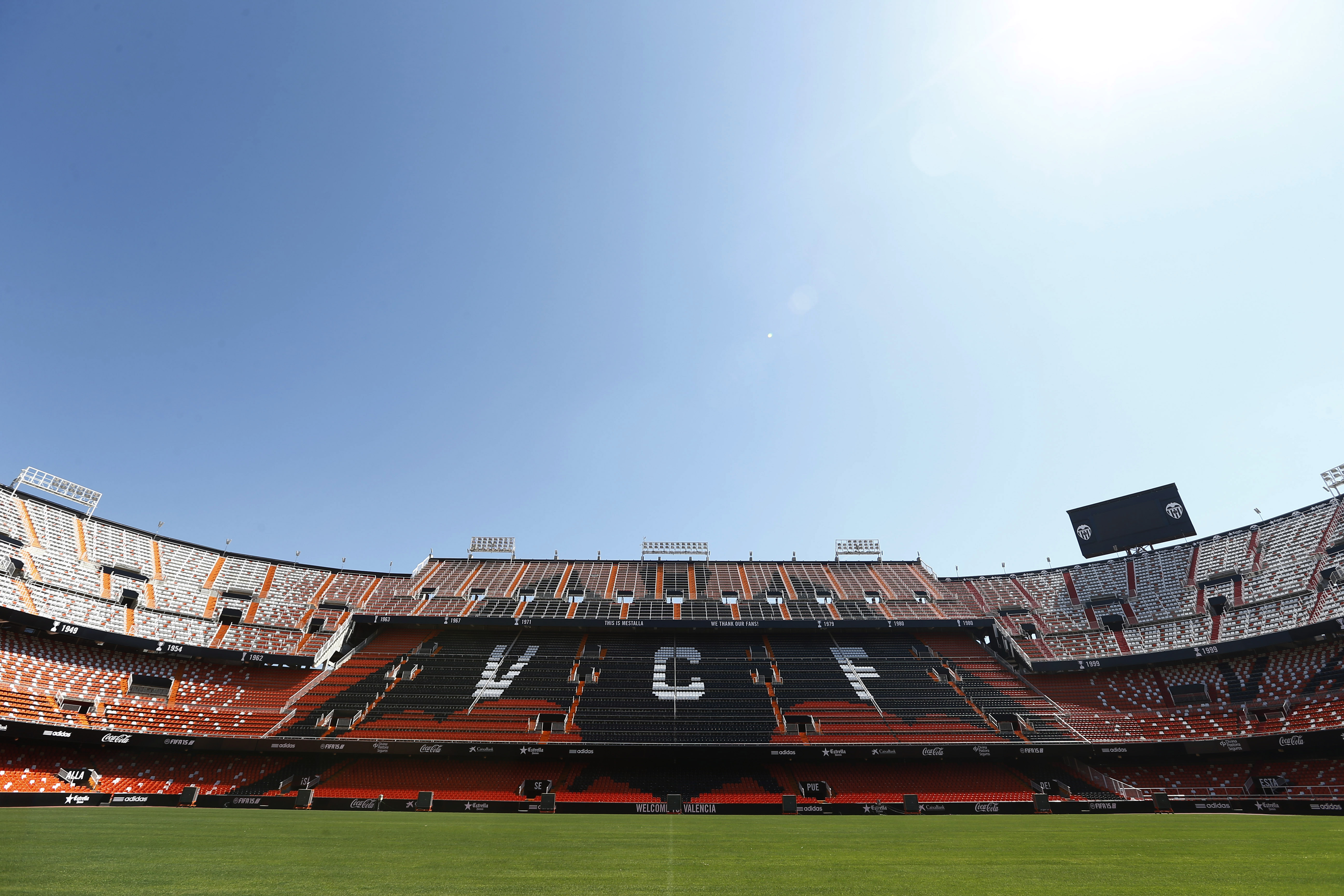
Mestalla
Valencia, Spain
Vilarreal Spain
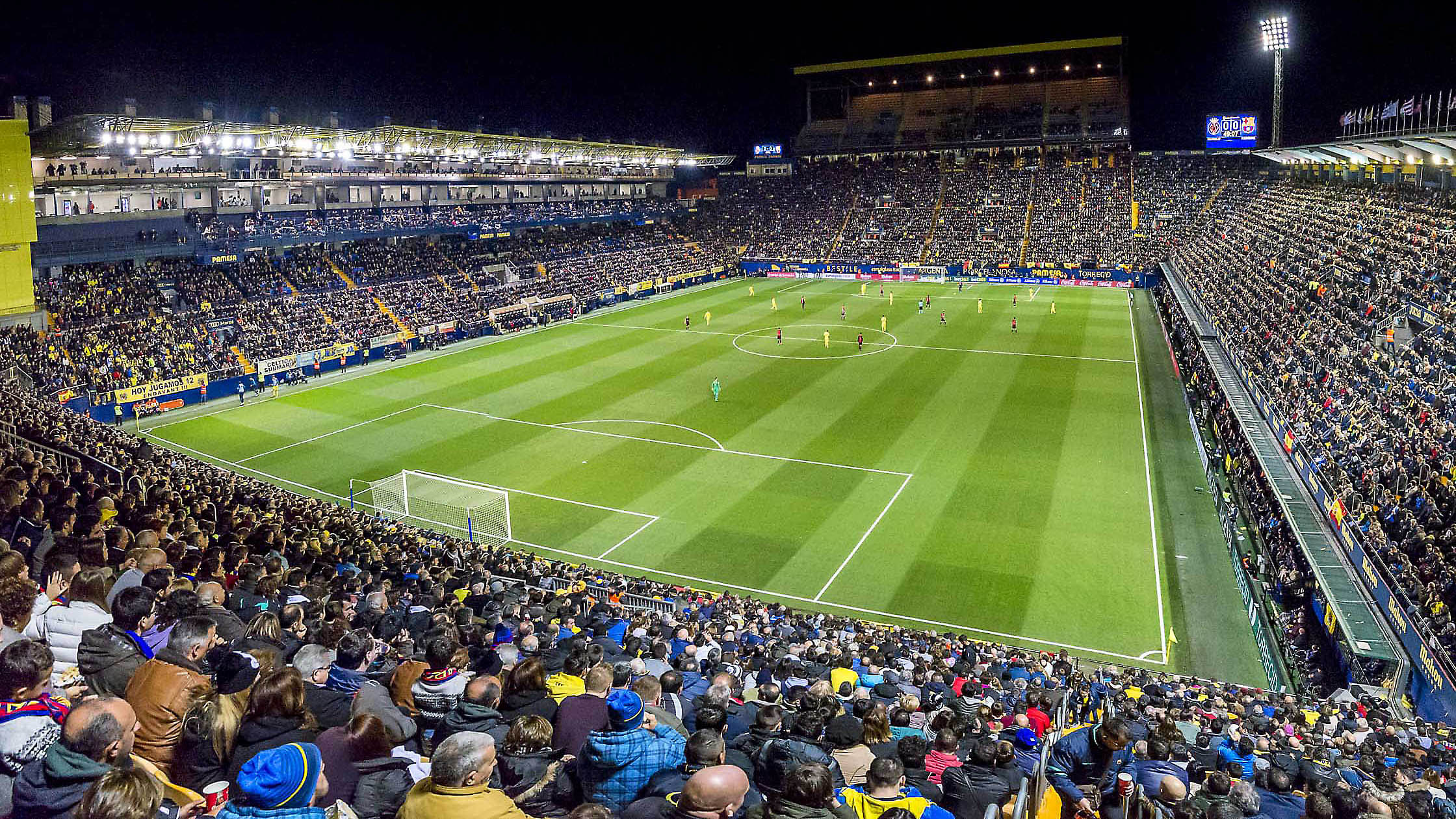
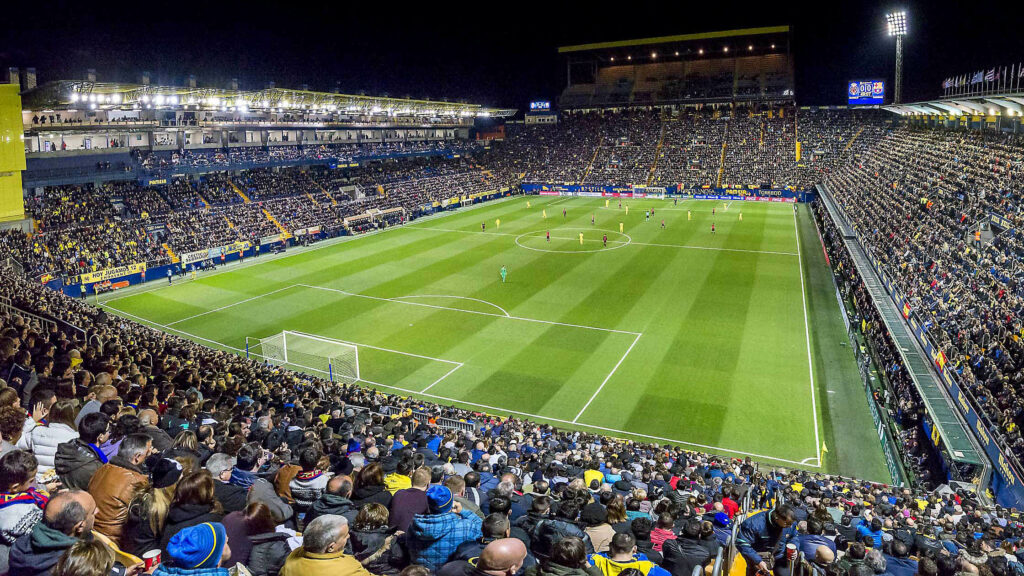
The Estadio de la Cerámica, formerly known as El Madrigal, is the iconic home of Villarreal CF. Located in the heart of Vila-real, Spain, this stadium is one of the oldest in La Liga, originally opened in 1923. With a capacity of approximately 23,000, the stadium is famous for its intimate atmosphere, where the number of seats represents nearly half of the town’s entire population. Following a major renovation to celebrate its centenary, the stadium features a distinctive yellow ceramic tile facade, honoring the region’s primary industry and creating a modern, luminous landmark for the city.
Par Frank94Rock — Travail personnel, CC BY-SA 4.0, Lien
23.500
Inaugurated on June 17, 1923, as the « Campo del Villarreal, » the stadium was renamed El Madrigal two years later, a name it held for over nine decades. The ground has grown alongside the club’s meteoric rise from regional divisions to European trophies. In 2017, the club officially changed the name to Estadio de la Cerámica to pay tribute to the local ceramic industry. To mark its 100th anniversary, the stadium underwent a transformative remodeling in 2022–2023, which fully enclosed the seating bowl and modernized the interior facilities, ensuring it remains a world-class venue for the Yellow Submarine.
The stadium is renowned for its « English-style » features, most notably the dugouts which are built directly into the stands, allowing players and coaches to sit among the fans. The most striking architectural feature is the exterior, covered in 2,000 square meters of yellow porcelain stoneware tiles. This facade is equipped with an LED lighting system that allows the stadium to glow yellow at night. Sustainability is a core pillar of its modern design; the roof of the North Stand houses over 1,000 photovoltaic panels, providing clean energy for the stadium’s daily operations.
Known as the « Feudo Amarillo » (Yellow Fief), the atmosphere inside the Cerámica is intensely concentrated due to its steep stands and compact layout. Unlike many modern arenas, the fans are remarkably close to the pitch, creating a visceral connection with the players. Matchdays begin hours early at the Plaza del Labrador, where the statue of the « Yellow Submarine » serves as a meeting point. The acoustics of the fully enclosed bowl amplify the chants of the « Graderío Joven » in the South Stand, making it one of the most difficult venues for visiting teams in Spain.
The stadium is uniquely situated in the middle of a residential neighborhood in Vila-real, about 10 kilometers from the Mediterranean coast. It is easily accessible via the Vila-real railway station, which connects to the nearby provincial capital of Castellón de la Plana and the city of Valencia. From the train station, the stadium is a 15-minute walk. Within the town, everything is within walking distance, reinforcing the « small-town » feel that defines the club. For those driving, access is via the N-340 or AP-7, though parking in the narrow surrounding streets is extremely limited.
The current name, Estadio de la Cerámica, was introduced in 2017 as part of a unique partnership between the club and local ceramic tile manufacturers. Unlike a traditional single-sponsor naming rights deal, the stadium serves as a collective showcase for the region’s industry, with several local companies sharing the branding space. This name reflects the identity of the province of Castellón, where ceramic production is a cornerstone of the economy and culture, effectively turning the stadium into a giant architectural advertisement for local craftsmanship.
The most convenient way to reach the stadium is by regional train (Cercanías) to the Vila-real station. If traveling from Valencia, the journey takes about an hour. Once at the station, follow the crowds or the yellow signage for a 1.2-kilometer walk to Plaza del Labrador. If you are staying in Castellón, the train ride is only 10 minutes. For those using public transport for evening matches, always check the schedule for the last return train, as late-night kickoffs in Spain sometimes finish after the final service.
For the best panoramic view and most comfortable facilities, the « Tribuna » (Main Stand) is the premier choice, offering covered seating and central sightlines. For those seeking the heart of the « Yellow Submarine » energy, the « Fondo Sur » (South Stand) is the most vocal section and home to the most passionate supporter groups. For a great balance of value and view, the « Preferencia » stand offers a clear perspective of the play at a more accessible price point. Because of the stadium’s steep rake, even seats in the highest rows feel surprisingly close to the pitch.
Vila-real offers a variety of traditional tapas bars in the streets surrounding the stadium. The « Bar El Madrigal » is a historic spot for fans to gather for a beer and a sandwich before the game. For a more formal meal, the town center, just a 5-minute walk from the ground, features restaurants serving local Valencian specialties like « Arroz a banda » or « Paella. » Inside the stadium, the « El Cerámico » restaurant provides high-end dining with views of the pitch.
The Estadio de la Cerámica is a family-friendly venue with modern security systems. It is important to note that the stadium is a smoke-free facility. In line with modern Spanish league standards, tickets are predominantly digital and should be downloaded to your phone via the club’s app or Gov.gr wallet where applicable. For high-profile matches (such as against Real Madrid or Barcelona), the town can become very crowded, so it is recommended to arrive in Vila-real at least two hours before kickoff to enjoy the local bars and the pre-match anthem.