Belluna Dome
Tokorozawa, Japan
Chōfu Japan
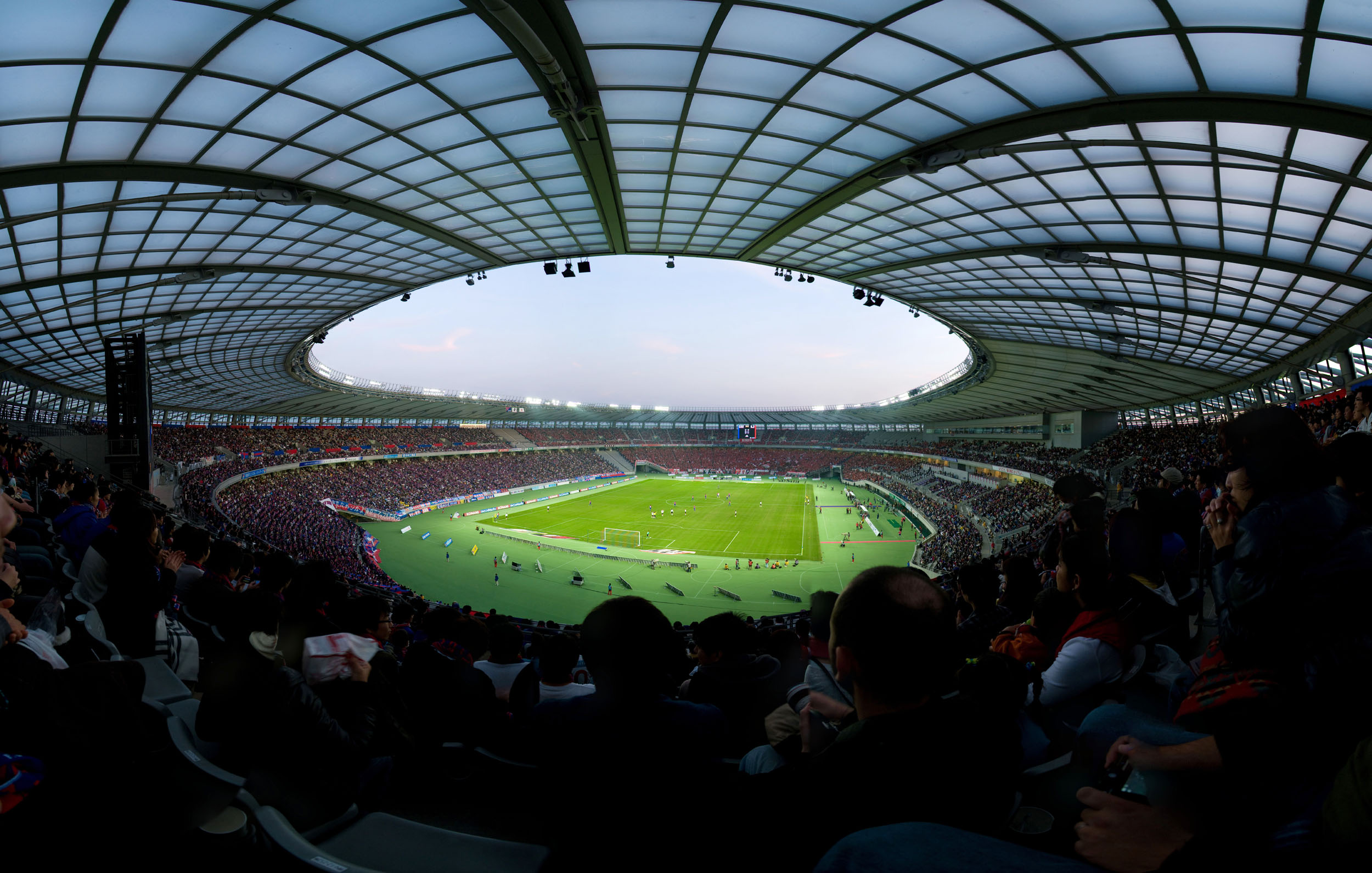
Ajinomoto Stadium, also known as Tokyo Stadium, is a premier multi-purpose arena located in Chōfu, Tokyo, and a central landmark of Japanese sports culture. As the home fortress for J1 League giants FC Tokyo and Tokyo Verdy, this 50,000-capacity venue is a high-energy hub for world-class football and rugby. Famous for hosting the 2019 Rugby World Cup opening match and events for the Tokyo 2020 Olympics, Ajinomoto Stadium offers a unique blend of modern Japanese architecture and intense matchday fervor. Whether you are a football enthusiast visiting for a J-League clash or a rugby fan exploring Japan’s sporting history, Ajinomoto Stadium provides a top-tier atmosphere in the heart of the Tokyo metroplex.
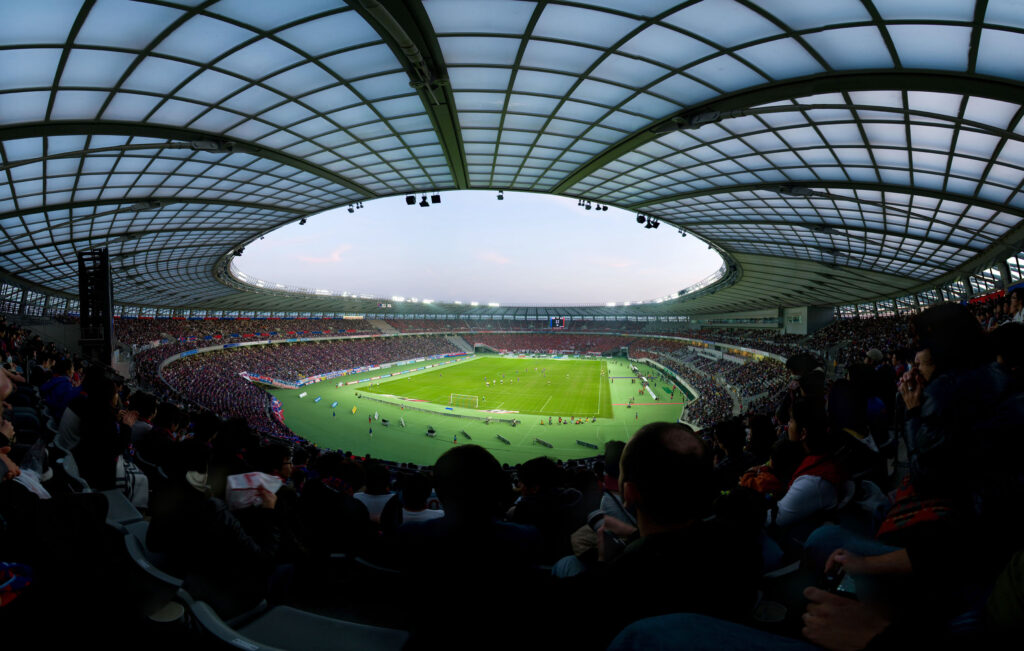
By Spitfireap - Own work, CC BY 3.0, Link
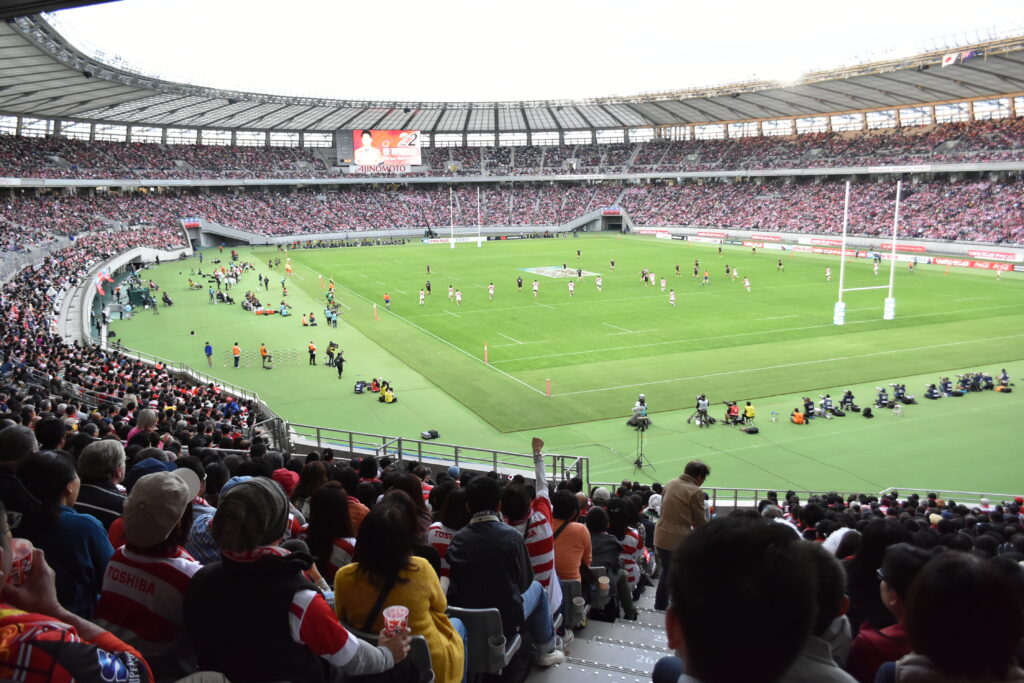
By 江戸村のとくぞう - Own work, CC BY-SA 4.0, Link
49.970
Opened in March 2001, Ajinomoto Stadium was built on the site of a former U.S. military base (Kanto Mura) in Chōfu. It holds a significant place in Japanese sports history as the first stadium in the country to sell its naming rights, partnering with Ajinomoto Co., Inc. in 2003. While it served as a training base for the Saudi Arabian national team during the 2002 FIFA World Cup, it reached global fame as a key venue for the 2019 Rugby World Cup and the Tokyo 2020 Olympic Games. Beyond sports, the stadium has also served a noble purpose as a shelter for survivors of the 2011 Tōhoku earthquake and tsunami.
The stadium features a sophisticated two-tier stand system with a capacity of approximately 49,970 seats. Its architectural design is highlighted by a Teflon and polycarbonate roof that covers the entire upper level, providing comfort while maintaining an airy, open feel. To comply with height restrictions due to the nearby Chofu Airport, the pitch is uniquely sunk below the surrounding ground level. Although it includes an athletics track, artificial turf is often laid over it during football matches to keep fans closer to the action.
Matchdays at Ajinomoto Stadium are a spectacle of color and sound, particularly during the « Tokyo Derby » or high-stakes J1 League matches. FC Tokyo and Tokyo Verdy supporters are known for their coordinated chants and massive flag displays in the north and south stands. The stadium’s acoustic design ensures that the energy from the crowd resonates powerfully throughout the bowl. The presence of two massive LED displays at both ends enhances the viewing experience, making it one of the most technologically advanced and engaging matchday environments in Japan.
Located in Chōfu, Western Tokyo, the stadium is highly accessible via Japan’s efficient rail network. The main gate is directly connected to a pedestrian bridge over Route 20, providing a safe and seamless flow for fans. Its proximity to Chofu Airport gives it a unique geographical backdrop. The surrounding area is spacious, allowing for flea markets and large-scale festivals to be held on non-matchdays, further integrating the stadium into the local Tokyo community.
The stadium’s official name is Tokyo Stadium, but it has been commercially known as Ajinomoto Stadium since 2003. The naming rights deal with Ajinomoto Co., Inc., a major Japanese food and biotechnology corporation, was a landmark agreement in Japan. During international events like the Olympics, where commercial naming is prohibited, the venue reverts to its original « Tokyo Stadium » moniker. The nickname « Ajisuta » is commonly used by local fans and residents.
The most convenient way to reach the stadium is via the Keio Line. It is a 5-minute walk from Tobitakyū Station; during matchdays, « Special Express » trains often make extra stops at this station to accommodate fans. Alternatively, you can use the Seibu Tamagawa Line and walk approximately 20 minutes from Tama Station. If you are traveling from Shinjuku, the Keio Line provides a direct and fast connection to the Chōfu area.
For the most intense atmosphere, the « Home » side stands (usually the North Side for FC Tokyo) are where the hardcore supporters reside. If you prefer a premium view of the tactical play, the upper level of the Main or Back stands offers a fantastic panoramic perspective of the pitch. Because the upper tiers are fully covered by the roof, these are also the best seats to stay dry during Tokyo’s rainy season.
The area around Tobitakyū Station features several small « Izakayas » (Japanese pubs) and convenience stores where fans gather for pre-match snacks. Inside the stadium perimeter, you will often find various food trucks serving « stadium food » such as Yakisoba, Karaage (Japanese fried chicken), and specialized bento boxes. For a wider selection of sit-down restaurants, many fans stop at the nearby Chōfu Station area before or after the match.
The most anticipated event is the « Tokyo Derby » between FC Tokyo and Tokyo Verdy. While Japanese football culture is generally very safe and respectful, these matches are highly competitive and the stadium will be at maximum capacity. It is recommended to arrive early to navigate the crowds at Tobitakyū Station. Please note that smoking is strictly prohibited inside the stands, with designated smoking areas located outside the seating bowl.