Yud Alef Stadium
Ashdod, Israel
Jerusalem Israel
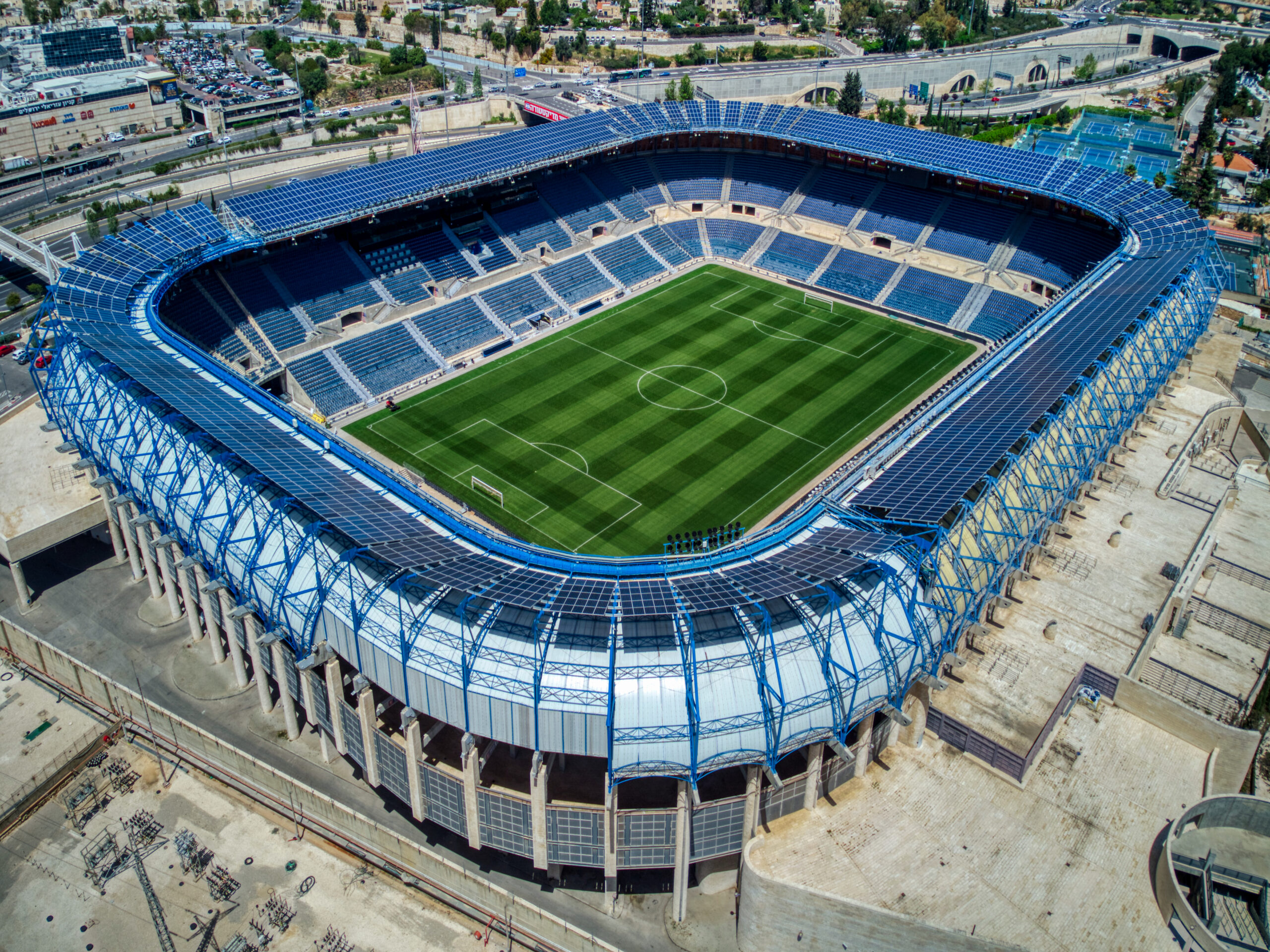
Teddy Stadium, located in the Malha district of Jerusalem, is the premier football arena in Israel’s capital and one of the most iconic sporting landmarks in the Middle East. Named after Jerusalem’s long-serving mayor Teddy Kollek, this 31,733-capacity « cauldron » is the home of Beitar Jerusalem and Hapoel Jerusalem. Renowned for its steep, imposing stands and world-class acoustics, Teddy Stadium serves as the « National Stadium of Jerusalem, » frequently hosting the Israeli National Team and major international finals. For any football fan, experiencing the raw passion and historical weight of a match at Teddy is a centerpiece of Israeli sports culture.
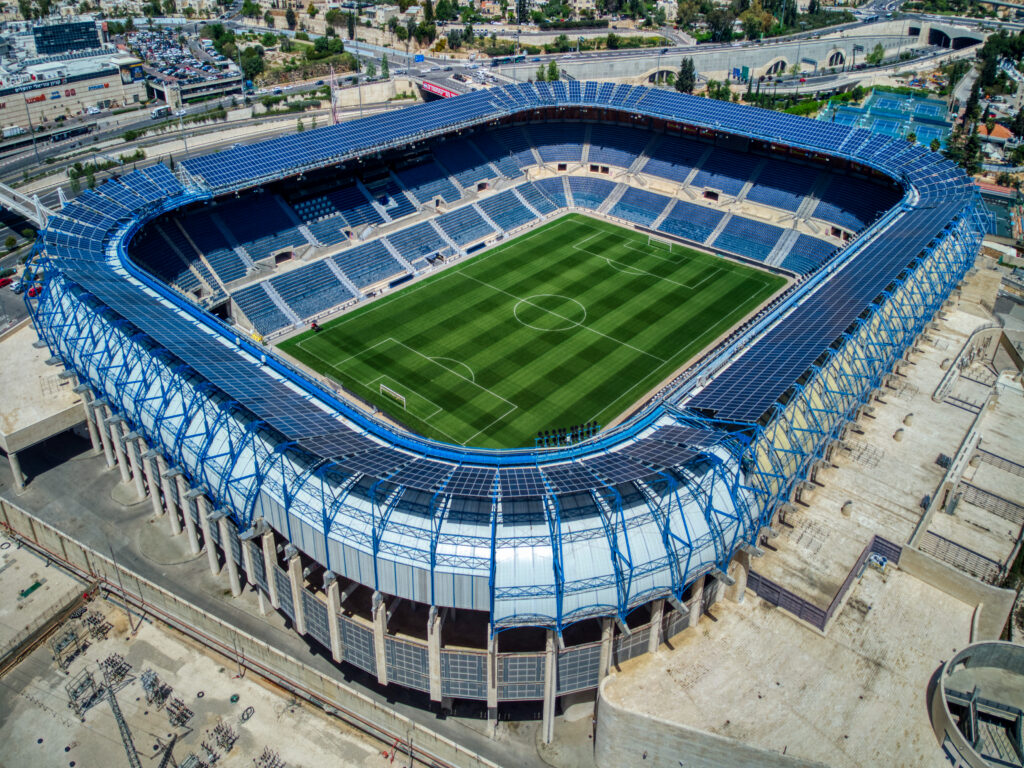
Par Hagai Agmon-Snir حچاي اچمون-سنير חגי אגמון-שניר — Travail personnel, CC BY-SA 4.0, Lien
Inaugurated in 1991, Teddy Stadium was built to provide Jerusalem with a modern alternative to the old YMCA Stadium. Originally featuring only two stands, it has undergone several massive expansions, most notably in 2013 for the UEFA European Under-21 Championship, when the South Stand was completed to fully enclose the bowl. The stadium has hosted legendary matches, including Israeli cup finals and high-stakes World Cup qualifiers. It stands as a symbol of the city’s growth and its unwavering love for football, surviving decades of intense local rivalries to remain the city’s undisputed sporting crown jewel.
Teddy Stadium is celebrated for its « English-style » design, featuring four distinct, high-capacity stands that sit very close to the pitch. The lack of an athletics track ensures an intimate and intimidating environment. Its architecture is characterized by its massive, towering stands that loom over the field, creating a sense of scale that feels larger than its 31,000 capacity. The exterior is clad in traditional Jerusalem stone, blending the modern facility with the ancient aesthetic of the city. Recent upgrades have included advanced LED lighting and a massive high-definition video scoreboard.
The atmosphere at Teddy is widely considered the most intense in Israel. When Beitar Jerusalem plays, the « East Stand » becomes a wall of yellow and black, famous for its deafening chants and synchronized displays. The acoustics of the stadium are specifically designed to trap sound, making the roar of the crowd feel like a physical force. Conversely, Hapoel Jerusalem matches offer a more family-oriented, communal vibe. Regardless of the team, the matchday experience is high-energy, and the surrounding Malha hills provide a dramatic backdrop as the sun sets over the stadium.
The stadium is situated in the Malha neighborhood in southern Jerusalem, part of a massive sports and commercial complex. It is directly adjacent to the Malha Mall (one of Israel’s largest shopping centers) and the Pais Arena (Jerusalem’s premier indoor venue). The stadium is exceptionally well-connected; it is served by the Jerusalem-Malha railway station and numerous bus lines from all parts of the city. For those coming from Tel Aviv, the high-speed rail to Yitzhak Navon station followed by a short bus or light rail trip makes Teddy a highly accessible destination.
The stadium is named after Teddy Kollek, who served as the Mayor of Jerusalem for 28 years (1965–1993). Kollek was a transformative figure who championed the modernization of the city’s infrastructure while preserving its heritage. He was a driving force behind the stadium’s construction, believing that a world-class city like Jerusalem needed a world-class sporting venue. Today, the name « Teddy » is used affectionately by fans, synonymous with the grit and grandeur of Jerusalem football.
The most convenient way to reach Teddy is via Jerusalem’s public transport. Numerous Egged bus lines (such as the 6, 18, and 31) run directly to the Malha complex. If you are arriving from out of town, the Israel Railways service to the Jerusalem-Malha station puts you within a 10-minute walk of the gates. On matchdays, shuttle services often run from the city center. Driving is possible, but the massive parking lots shared with the Malha Mall fill up hours before kickoff, so public transit is highly encouraged.
For the best panoramic view and maximum comfort, the « West Stand » is the top choice, housing the VIP sections and media boxes. If you are looking for the most legendary (and intense) atmosphere in Israeli football, the « East Stand » is the heart of the home support. For families and those wanting a great view with a slightly more relaxed environment, the « North Stand » offers excellent sightlines and modern seating. The « South Stand » is typically reserved for visiting supporters during high-profile league games.
The adjacent Malha Mall offers a vast array of Kosher dining options, from quick burgers and pizza to sit-down cafes. For a more authentic Jerusalem experience, many fans head to the nearby « Manahat » area or the neighborhood of Katamon for local hummus spots. Inside the stadium, concessions serve standard matchday fare, including sunflower seeds (a local staple), pretzels, and cold drinks. For post-match celebrations, a 15-minute drive or bus ride will take you to the First Station (HaTachana HaRishona) or the Mahane Yehuda Market, both hotspots for nightlife and food.
Matches involving Beitar Jerusalem against rivals like Maccabi Tel Aviv or Hapoel Tel Aviv are high-intensity fixtures with significant security. For these games, expect a heavy police presence and strict fan separation. It is highly recommended to arrive at least 90 minutes before kickoff to clear security checks. The stadium is ADA-compliant and offers excellent accessibility for fans with disabilities. Due to Jerusalem’s high altitude, evening matches can get surprisingly chilly even in spring and autumn, so bringing a light jacket is always a smart move.