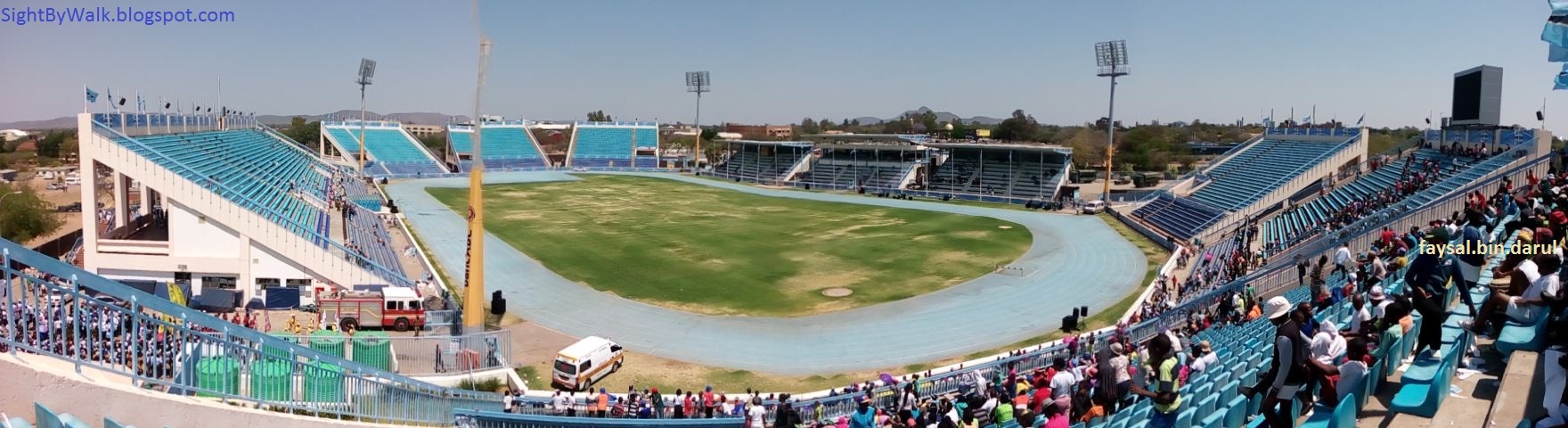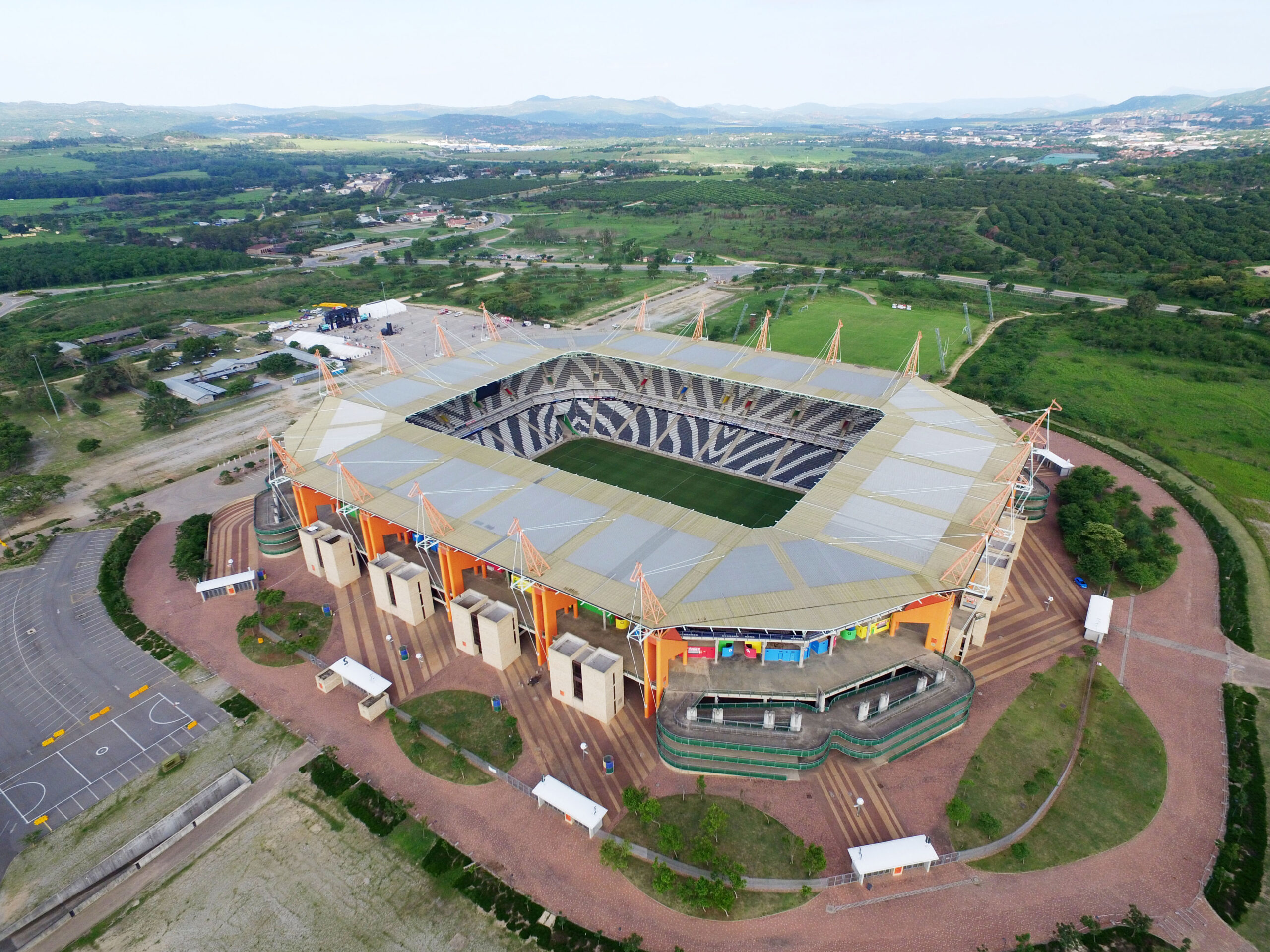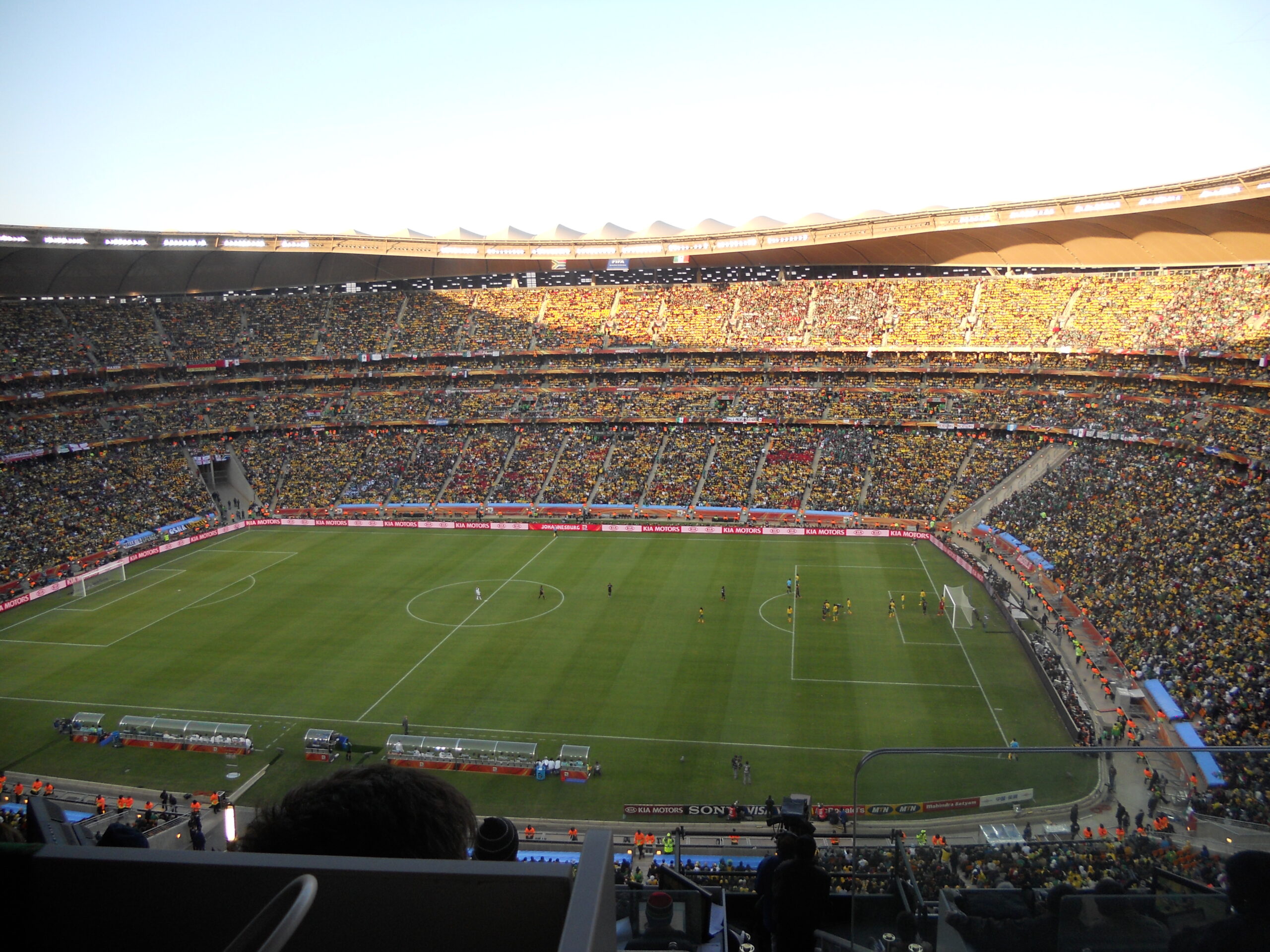
Peter Mokaba Stadium
Polokwane, South Africa
Lusaka Zambia
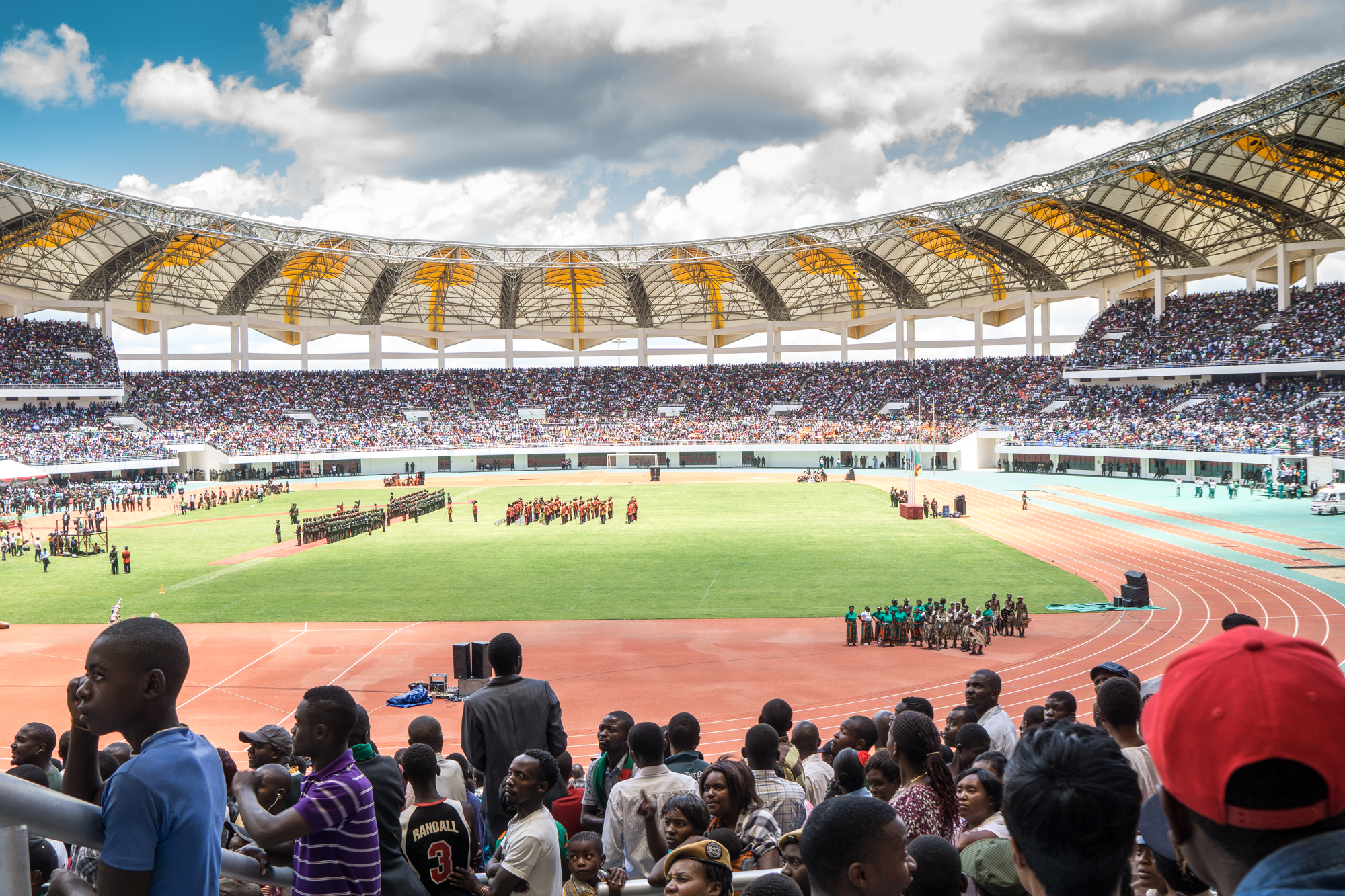
The National Heroes Stadium, located in the capital city of Lusaka, is Zambia’s flagship multi-purpose sporting arena. Completed in 2014, this 60,000-seat stadium serves as the primary home for the Zambia national football team, affectionately known as the « Chipolopolo. » Built to replace the aging Independence Stadium, it is a state-of-the-art facility that meets FIFA and CAF standards. As of 2026, it remains the crown jewel of Zambian sports, hosting high-profile Africa Cup of Nations qualifiers and serving as a national landmark for athletics and major state ceremonies.
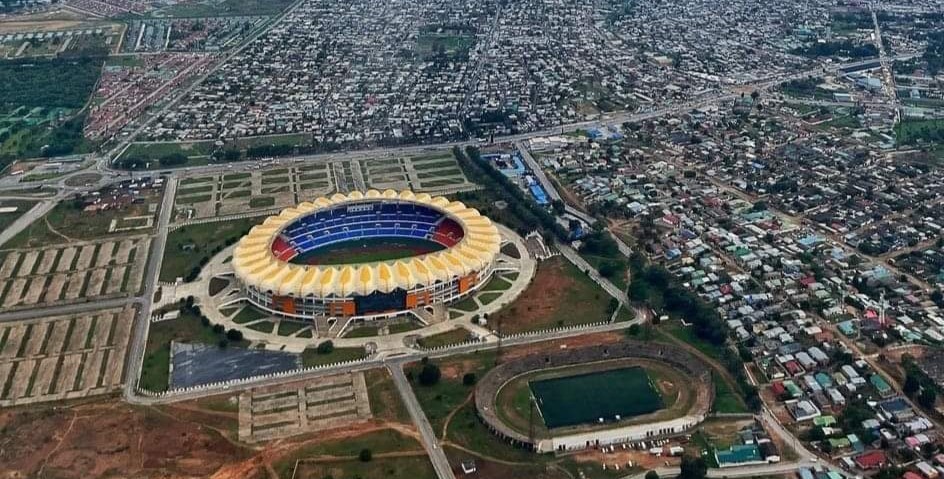
By Chalo Chatu - https://www.flickr.com/photos/194014626@N04/51756684914/, CC BY-SA 4.0, Link
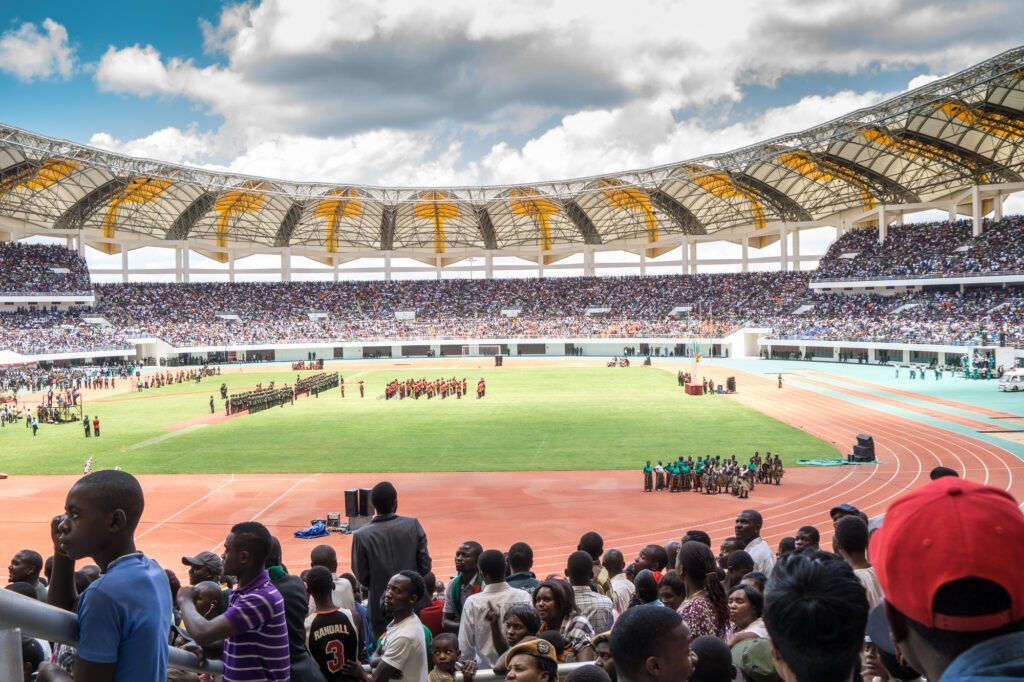
By Adam Ojdahl, CC BY-SA 2.0, Link
60.000
The stadium was commissioned as a replacement for the old Independence Stadium and was constructed with the assistance of the Chinese government. Its inauguration in 2014 marked a significant upgrade in Zambia’s sporting infrastructure. The venue has since hosted numerous high-stakes international matches, including the 2017 U-20 Africa Cup of Nations, which Zambia won on home soil. Throughout 2025 and 2026, the stadium has undergone routine maintenance on its natural turf and tartan track to ensure it remains a premier destination for continental sports and regional athletics championships.
The National Heroes Stadium features a striking, modern design characterized by its white, undulating roof structures that symbolize the wings of an eagle—a nod to the national emblem. The stadium is an all-seater bowl with two main tiers. The architecture is designed to maximize natural ventilation, a key feature given Lusaka’s climate. It includes an international-standard running track, modern floodlighting, and a high-definition video scoreboard. The VIP and media sections are centrally located in the West Stand, providing premium facilities for dignitaries and broadcasters.
The atmosphere at the National Heroes Stadium is legendary, especially when the « Chipolopolo » are in action. The stadium often becomes a « sea of copper and green » as fans across the country gather to support the national team. The acoustic design of the bowl amplifies the singing and drumming, creating an intimidating environment for visiting teams. In 2026, matchday experiences have been enhanced with improved concession areas and faster digital ticketing systems, though the traditional passion of the Zambian football culture remains the main attraction.
The stadium is located on the Great North Road in the northern part of Lusaka, adjacent to the Independence Stadium. It is well-connected to the city center via the T2 highway. For fans traveling from central Lusaka, public minibuses and taxis are the most common modes of transport. In 2026, dedicated shuttle services often run from major hubs like the Levy Junction Mall during international matchdays. The stadium features a vast parking area, though it fills up quickly during sold-out events.
The name « National Heroes Stadium » is a deeply emotional tribute to the victims of the 1993 Gabon air disaster, which claimed the lives of the entire Zambian national football team, coaching staff, and crew. Originally proposed as the « Gabon Disaster Memorial Stadium, » the final name was chosen to honor all Zambians who have sacrificed for the nation’s progress, particularly in the realm of sports. It stands as a symbol of the country’s resilience and its commitment to honoring its fallen legends.
The most direct route from Lusaka’s Central Business District (CBD) is via the Great North Road. A taxi ride typically takes 15–20 minutes depending on traffic. Public buses (Kombis) heading toward Kabwe or Matero stop frequently near the stadium gates. For 2026 international fixtures, authorities usually implement traffic management plans to prioritize public transport, so using the official matchday shuttles from downtown Lusaka is highly recommended to avoid congestion.
For the best tactical view and most comfortable experience, the West Stand (Grandstand) is the place to be, as it offers the best protection from the sun. If you want to be in the heart of the singing and most vibrant atmosphere, the North and South curves are where the most vocal supporters congregate. The lower tier seats in the East Stand offer a great balance between proximity to the pitch and a panoramic view of the entire stadium’s impressive architecture.
The area surrounding the stadium features various local eateries and street food stalls. On matchdays, you can find vendors selling « Nshima » with grilled chicken or fish, as well as local snacks like roasted maize. For a more formal dining experience, the nearby Northgate Gardens area offers several restaurants and bars. Inside the stadium, modern kiosks serve a variety of beverages and quick bites, though many fans prefer the lively « tailgating » atmosphere in the parking areas before the gates open.
National Heroes Stadium is a safe, family-friendly venue with professional security personnel stationed at all entrances. Fans are advised to arrive at least two hours before kickoff for high-profile matches to clear security checks. In 2026, the stadium has fully transitioned to digital-only ticketing for international events, so ensure your ticket is downloaded to your mobile device in advance. It is also wise to bring a light jacket for evening matches, as temperatures in Lusaka can drop once the sun goes down.