Stade Ahmadou Ahidjo
Yaounde, Cameroon
Douala Cameroon
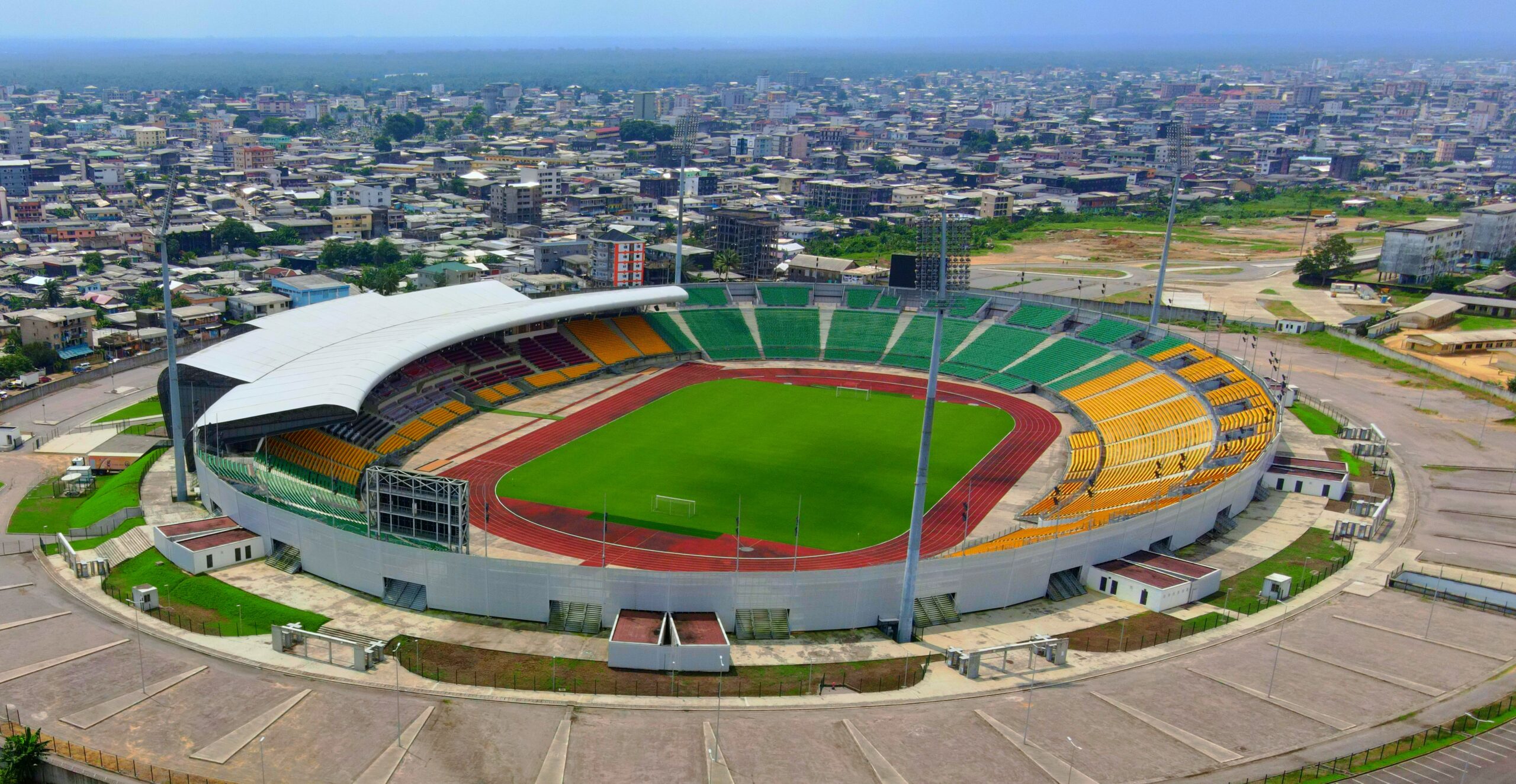
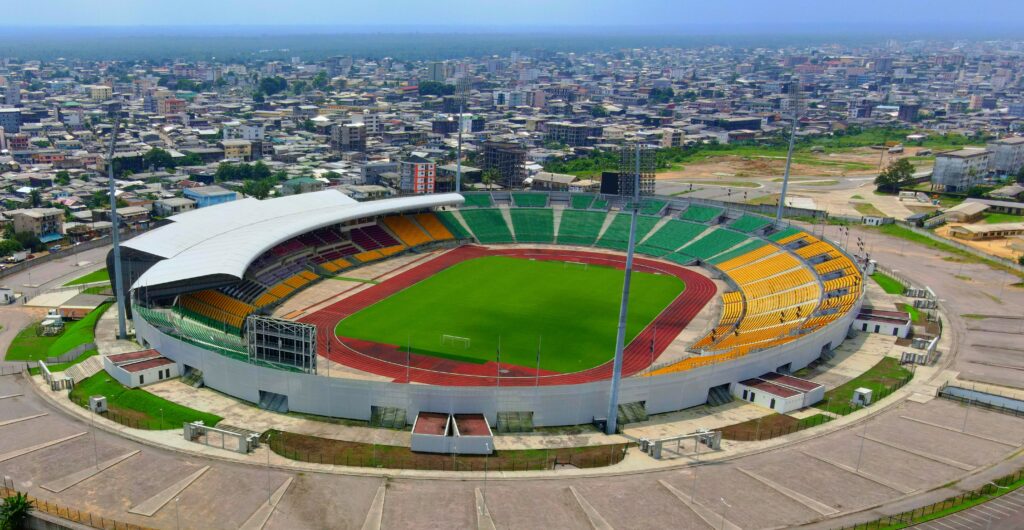
Stade de la Reunification is a historic multi purpose sports stadium located in Douala Cameroon with an official capacity of thirty thousand. Serving as a primary home venue for Union Douala and Astres FC in the Elite One football championship competition, this venue holds a significant status and is highly recognized for its extensive athletic track infrastructure and major continental sports tournament history.
By Score Beethoven - Own work, CC BY-SA 4.0, Link
39.000
Stade de la Reunification is a historic multi purpose sports stadium located in Douala Cameroon with an official capacity of thirty thousand. Serving as a primary home venue for Union Douala and Astres FC in the Elite One football championship competition, this venue holds a significant status and is highly recognized for its extensive athletic track infrastructure and major continental sports tournament history.
Stade de la Reunification is a historic multi purpose sports stadium located in Douala Cameroon with an official capacity of thirty thousand. Serving as a primary home venue for Union Douala and Astres FC in the Elite One football championship competition, this venue holds a significant status and is highly recognized for its extensive athletic track infrastructure and major continental sports tournament history.
The name of the venue translates directly to Reunification Stadium which was chosen to commemorate the historical reunification of British and French Cameroon. Local residents and sports media analysts frequently refer to the arena by its popular geographical name simply called the Bepanda Stadium. The identity of the venue connects directly with the traditional history of Union Douala whose white and green colors dominate local football culture in the city. The naming structure contains no corporate branding elements, functioning strictly as a civic monument to national unity and historical sporting achievements.
The name of the venue translates directly to Reunification Stadium which was chosen to commemorate the historical reunification of British and French Cameroon. Local residents and sports media analysts frequently refer to the arena by its popular geographical name simply called the Bepanda Stadium. The identity of the venue connects directly with the traditional history of Union Douala whose white and green colors dominate local football culture in the city. The naming structure contains no corporate branding elements, functioning strictly as a civic monument to national unity and historical sporting achievements.
A massive multi phase modernization program took place to prepare the facility for the African Nations Championship competition. The construction integrated brand new plastic seating across all open terraces, modern changing rooms, and a completely refurbished natural grass pitch layout. The official general seating layout divides into the covered main grandstand and the expansive uncovered side and end curve terraces. The premium layer contains a central presidential box alongside dedicated media tribunes and upgraded VIP seating sections check before your visit.
The facility is situated within the Bepanda neighborhood in the northern sector of Douala. This location places the venue approximately three miles north of the central business district and the main railway station corridors. The surrounding neighborhood is a vibrant residential and bustling commercial zone populated by local markets, residential housing blocks, and traditional street stalls. Before kickoff the adjacent streets and surrounding avenues transform into an energetic zone filled with local music where thousands of fans gather hours prior to the gate opening times.
Spectators can reach the stadium primarily by utilizing local taxi services or motorcycle taxis which travel directly along the main Bepanda thoroughfares. Public transit routes remain largely informal meaning personal vehicles, charter buses, or local transport vans are the primary methods of access via the Boulevard de la Reunification. The venue maintains general dirt parking sectors available adjacent to the stadium walls check before your visit. Dedicated entry points for spectators requiring assistance are designated at the main security gates.
Spectators can reach the stadium primarily by utilizing local taxi services or motorcycle taxis which travel directly along the main Bepanda thoroughfares. Public transit routes remain largely informal meaning personal vehicles, charter buses, or local transport vans are the primary methods of access via the Boulevard de la Reunification. The venue maintains general dirt parking sectors available adjacent to the stadium walls check before your visit. Dedicated entry points for spectators requiring assistance are designated at the main security gates.
The resident football clubs do not operate a permanent standalone megastore building on the stadium property, but temporary merchandise stalls are erected around the main entrance plaza on matchdays. These vendors carry an inventory of jerseys, team scarves, and local supporters gear. The clubs occasionally manage distributed retail options within the city center and through local independent sports stores. Operating hours are strictly tied to matchday event schedules with vendors opening several hours before kickoff check before your visit.
The surrounding Bepanda neighborhood features numerous local open air establishments and street food vendors offering multiple dining options right next to the stadium perimeter. Outside the gates fans can purchase iconic local food specialties including braised fish, grilled skewers, and local plantain dishes. The surrounding vendors serve local regional beverage options including local beers from national breweries alongside traditional non alcoholic options. Official fan animation zones occasionally open before major continental tournament fixtures providing music and merchandise stalls for incoming spectators.
High profile championship matches require heightened security protocols and early arrival is recommended at least two hours before the scheduled kickoff. The venue operates strict security checkpoints at all outer perimeter gates allowing physical inspection of all small personal bags. Large baggage items and hazardous objects are strictly prohibited according to local sports match security regulations. The facility functions primarily on a cash payment basis meaning all ticket offices and local food vendors require physical currency notes.
The resident football clubs do not operate a permanent standalone megastore building on the stadium property, but temporary merchandise stalls are erected around the main entrance plaza on matchdays. These vendors carry an inventory of jerseys, team scarves, and local supporters gear. The clubs occasionally manage distributed retail options within the city center and through local independent sports stores. Operating hours are strictly tied to matchday event schedules with vendors opening several hours before kickoff check before your visit.
The official verified capacity of the venue stands at thirty thousand spectator seats following major renovation and modernization works. This includes the covered presidential grandstand and the expansive open air side terraces surrounding the pitch.
The stadium is widely referred to by local residents and regional sports media as the Bepanda Stadium. This nickname is derived directly from the historic and vibrant neighborhood of Douala where the facility is physically situated.
No the stadium infrastructure and surrounding local vendors operate almost exclusively on a cash payment basis using the regional currency. Visitors should ensure they carry physical currency notes for purchasing entry tickets, food, and beverages.
Spectators primarily utilize local city taxis or motorcycle taxis to travel directly to the Bepanda neighborhood where the gates are located. Regular formal public bus lines are limited so hiring local transport is the most efficient method check before your visit.
Official public stadium tours and dedicated museum spaces are currently unavailable at this facility. Exterior viewing and photography of the main structures from the outer plaza are permitted on non event days during daylight hours.