Old Trafford Cricket Ground
Manchester, England
Manchester England
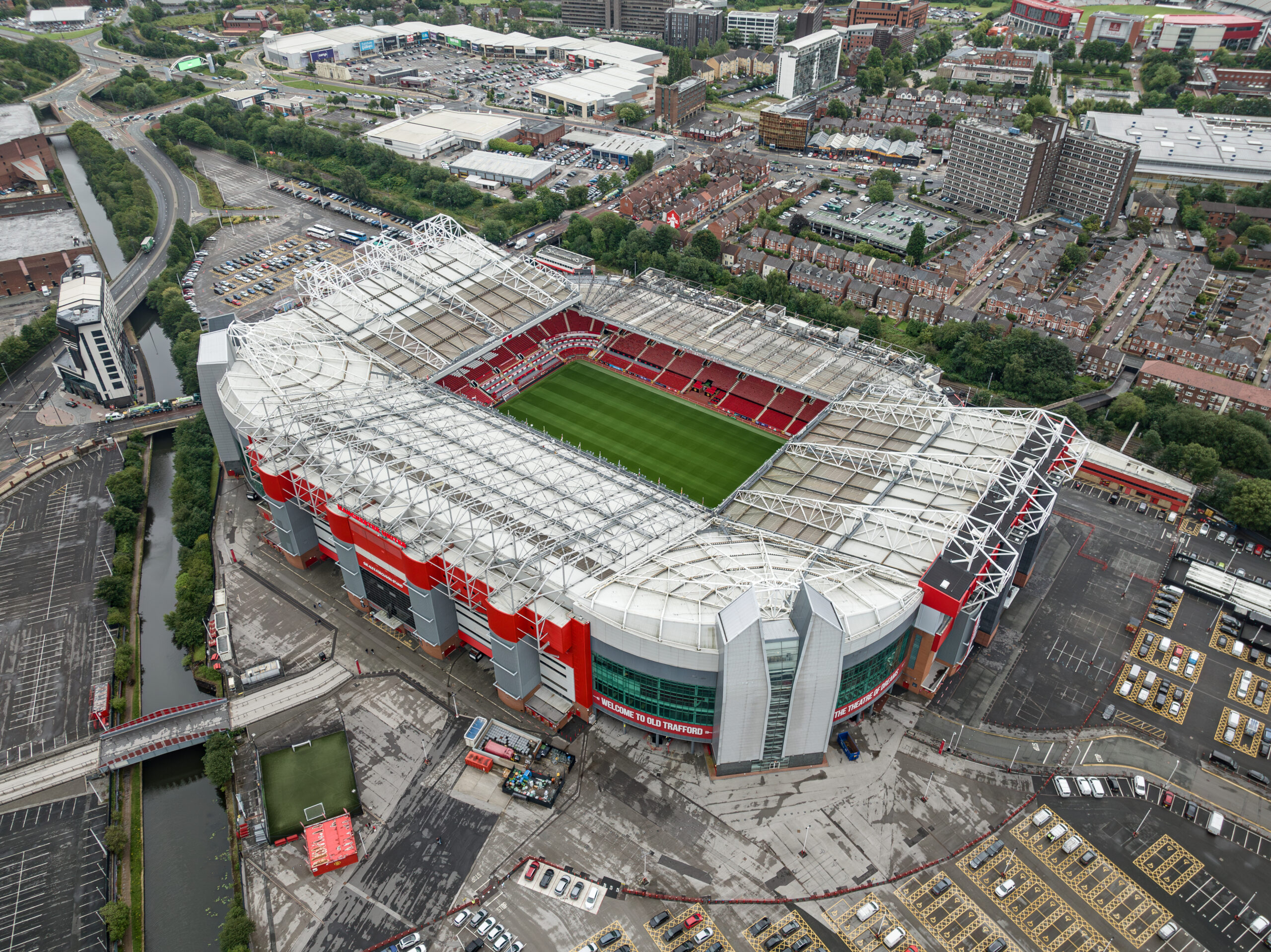
Old Trafford, famously known as « The Theatre of Dreams, » is the legendary home of Manchester United and one of the most iconic football stadiums in the world. Located in Greater Manchester, it is the largest club football stadium in the United Kingdom, with a capacity of over 74,000. Since 1910, this hallowed ground has witnessed the rise of footballing royalty, from the « Busby Babes » to the Treble-winning legends under Sir Alex Ferguson. Whether you are visiting the towering Sir Alex Ferguson Stand or the emotional Munich Tunnel, Old Trafford offers an unparalleled pilgrimage for football fans. Discover the history, the best matchday spots, and essential tips for visiting the heart of the Red Devils.
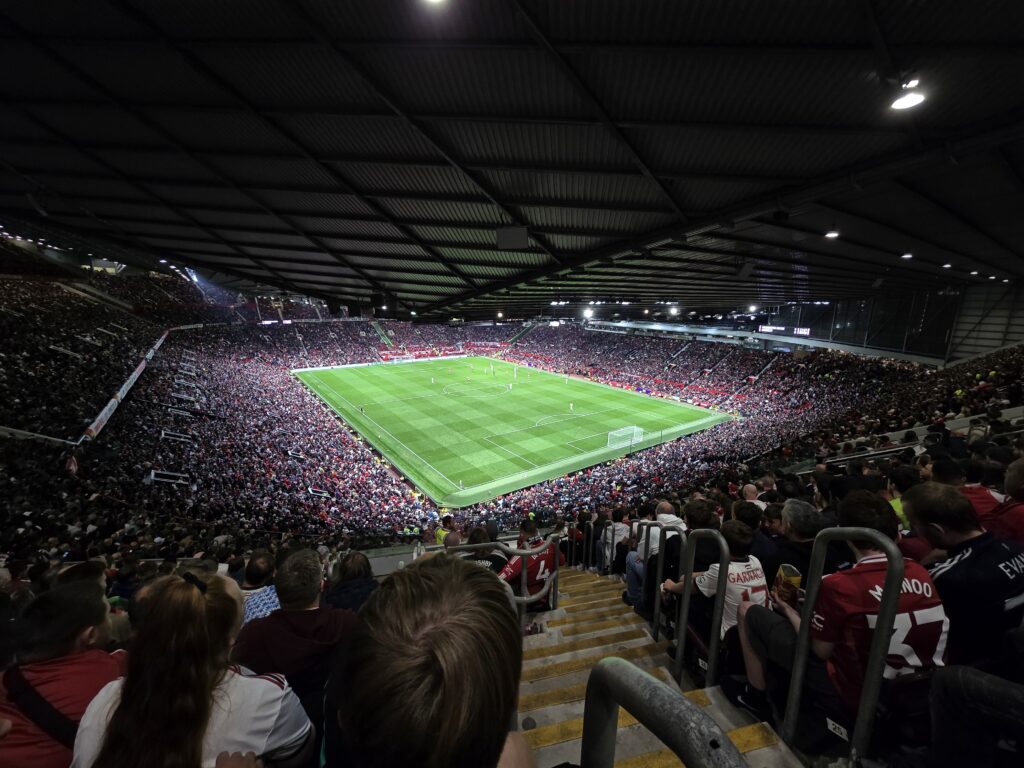
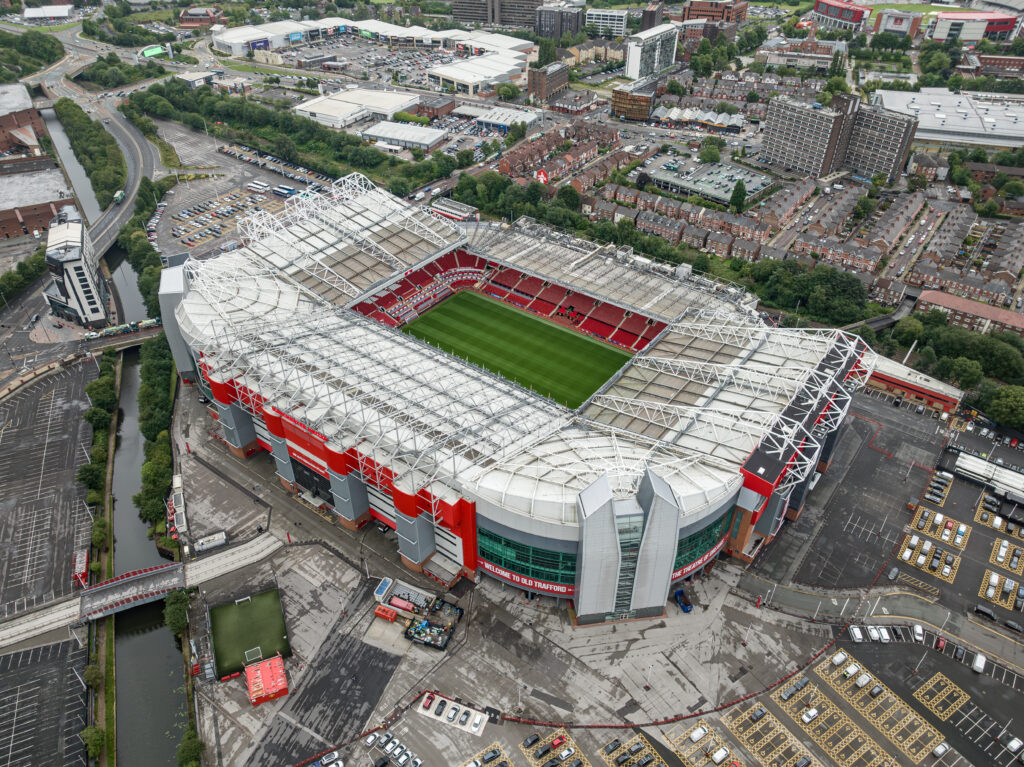
Arne Müseler / www.arne-mueseler.com, CC BY-SA 3.0 DE, via Wikimedia Commons
74.310
Inaugurated in 1910, Old Trafford was designed by the renowned architect Archibald Leitch. The stadium has survived incredible challenges, including heavy bombing during World War II, which forced Manchester United to play at rival Manchester City’s ground for several years. Following the Taylor Report in the 1990s, it was transformed into an all-seater venue and has since seen multiple expansions, particularly the massive North Stand (now the Sir Alex Ferguson Stand). It has hosted World Cup matches, Euro 96, and the 2003 Champions League Final, cementing its status as a global football landmark.
Old Trafford features a unique asymmetrical design due to its continuous expansion over the decades. The stadium is divided into four main stands: the Sir Alex Ferguson Stand (North), the East Stand, the Sir Bobby Charlton Stand (South), and the West Stand (famously known as the Stretford End). The Sir Alex Ferguson Stand is the largest, spanning three tiers and housing the club museum. The exterior is instantly recognizable by its red brickwork and the iconic « United Trinity » statue of Best, Law, and Charlton, which stands opposite the statue of Sir Matt Busby.
The matchday experience at Old Trafford is a blend of global tourism and deep-rooted Mancunian tradition. The Stretford End remains the spiritual heart of the ground, where the most vocal fans create a wall of sound to drive the team forward. Before kickoff, the sound of « Take Me Home, United Road » echoes through the stands. The « Munich Tunnel » beneath the South Stand provides a somber and respectful space dedicated to the victims of the 1958 air disaster, adding a layer of historical weight and emotion to every visit.
Located in the Trafford area of Greater Manchester, the stadium is exceptionally well-connected. It is situated about 2 miles from Manchester city center. The stadium has its own dedicated railway station (Old Trafford Halt, often used on matchdays) and is served by several Metrolink tram stops. Its location near the Salford Quays and the MediaCityUK complex makes it part of a vibrant, modern district, though it still retains the industrial character that defined its early years.
The stadium is named after the area in which it is located: Old Trafford. The name « Trafford » is a French-English derivation of « Edford, » meaning « the ford at the end. » The « Old » was added to distinguish the area from the nearby New Trafford (now known as Trafford Park). Unlike many modern venues, Manchester United has famously resisted selling the naming rights to the stadium, preserving the historic « Old Trafford » name as a core part of the club’s global brand identity.
Sir Matt Busby Way
Old Trafford
Manchester, M16 0RA,
England
Lat : 53.463104
Lng : -2.2913897
The most popular way to reach Old Trafford is via the Manchester Metrolink (Tram). Take the Altrincham Line and exit at the « Old Trafford » stop, followed by a 10-minute walk. Alternatively, the « Wharfside » and « Exchange Quay » stops on the Trafford Park Line are also very close to the stadium. On matchdays, Northern Rail often operates special train services from Manchester Piccadilly directly to the « Manchester United Football Ground » station located right next to the South Stand. Driving is not recommended due to severe traffic and restricted permit-only parking in the surrounding residential streets.
For the absolute best atmosphere, the lower tier of the Stretford End (West Stand) is where the most passionate fans congregate. If you are looking for the best panoramic view of the action, the middle tier of the Sir Alex Ferguson Stand (North Stand) provides a perfect « TV-style » perspective. For those interested in history, the Sir Bobby Charlton Stand (South Stand) is the oldest part of the ground and offers a close-up view of the dugouts and the players’ tunnel.
The area around Old Trafford is legendary for its matchday pubs. « The Bishop Blaize » and « The Trafford » are iconic spots for home fans, famous for their loud singing and pre-match energy. For a slightly more relaxed experience, « Lou Macari’s » fish and chips near the ground is a staple for many supporters. The nearby Salford Quays area offers a wider range of modern restaurants and bars, including those at the Lowry Outlet Mall, which is about a 15-minute walk from the stadium.
Matches against Liverpool (The North West Derby) and Manchester City (The Manchester Derby) are high-intensity fixtures with a significant police presence. Security at Old Trafford is very strict; a « No Bag » policy is usually in effect, with only small bags (A5 size or smaller) permitted. Fans are advised to arrive at least 60 to 90 minutes before kickoff to clear security checkpoints. While the stadium is generally safe, avoid wearing rival colors in the home stands or in the surrounding pubs to ensure a smooth and enjoyable visit.