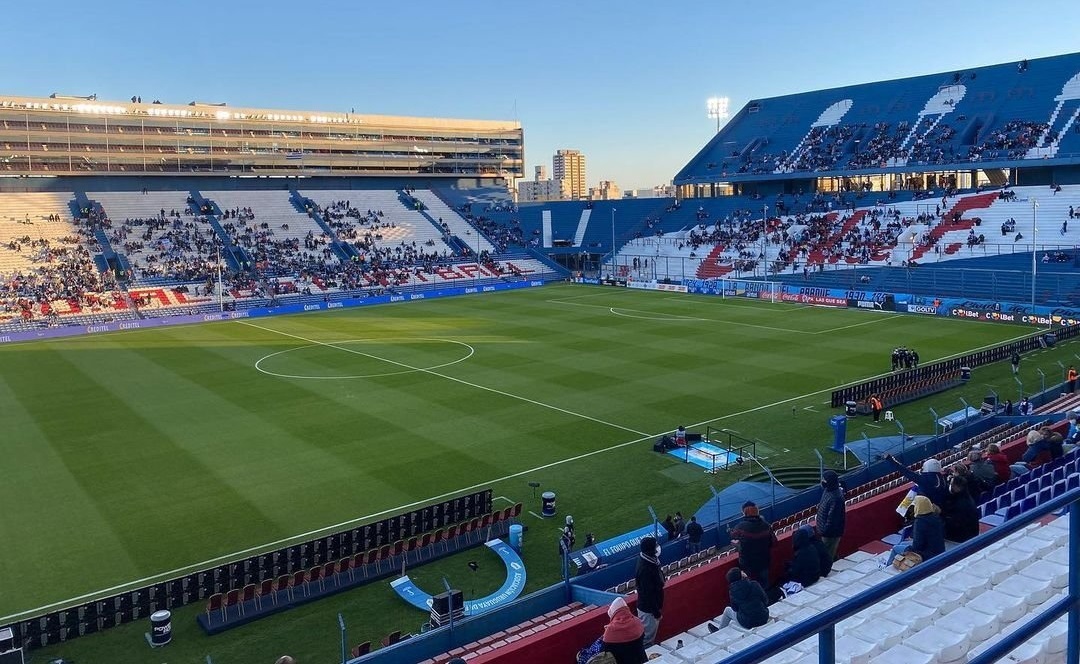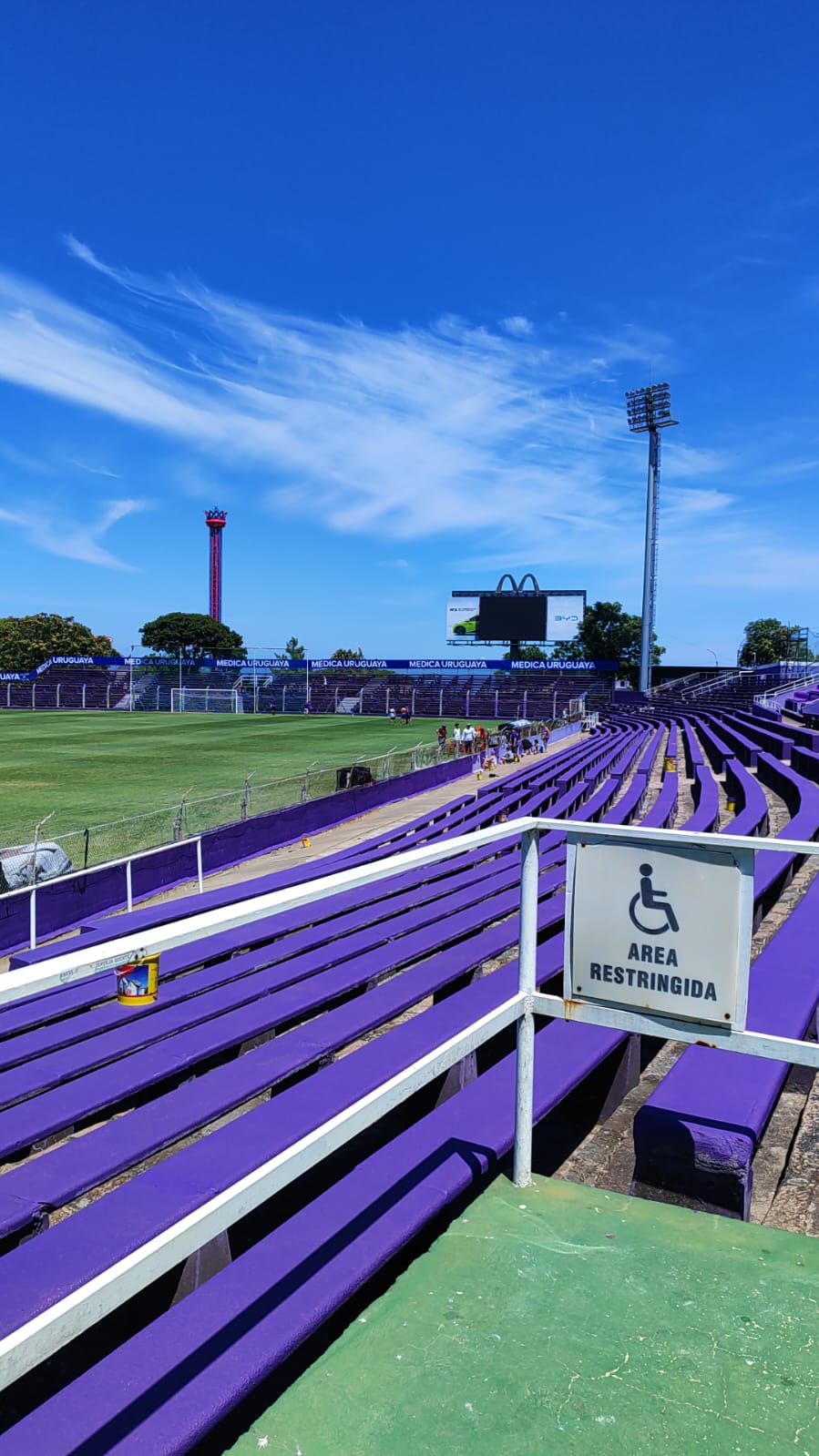
Parque Palermo
Montevideo, Uruguay
Montevideo Uruguay
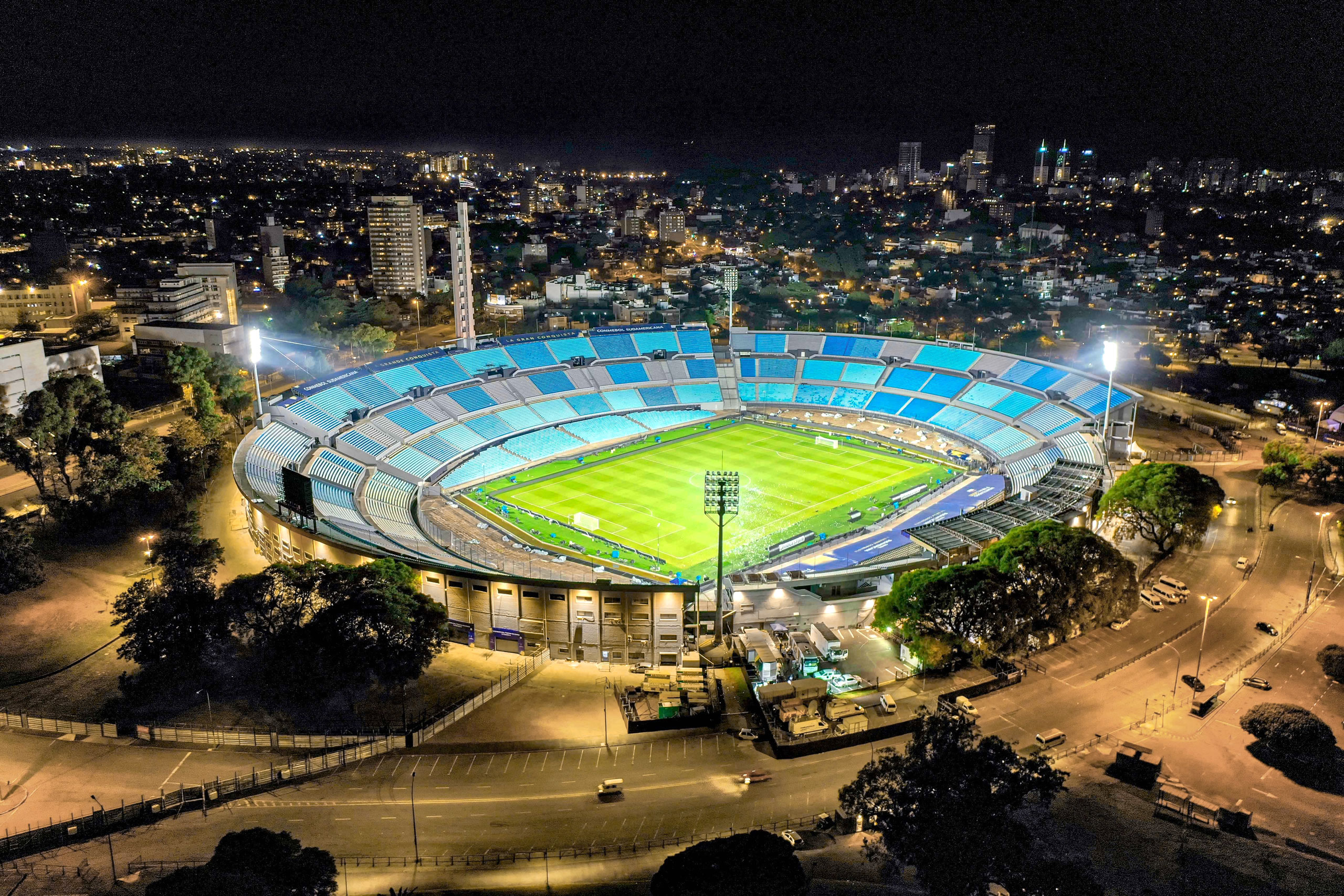
The Estadio Centenario, located in the Parque Batlle of Montevideo, is the ultimate temple of Uruguayan football and one of the most important monuments in world sports. Inaugurated in 1930 to host the very first FIFA World Cup, this 60,000-capacity colossus was declared by FIFA as the world’s only « Historic Monument of World Football. » As the spiritual home of the Uruguayan National Team, the Centenario is not just a sports venue, but a symbol of national identity and a mandatory pilgrimage site for any football lover visiting South America.
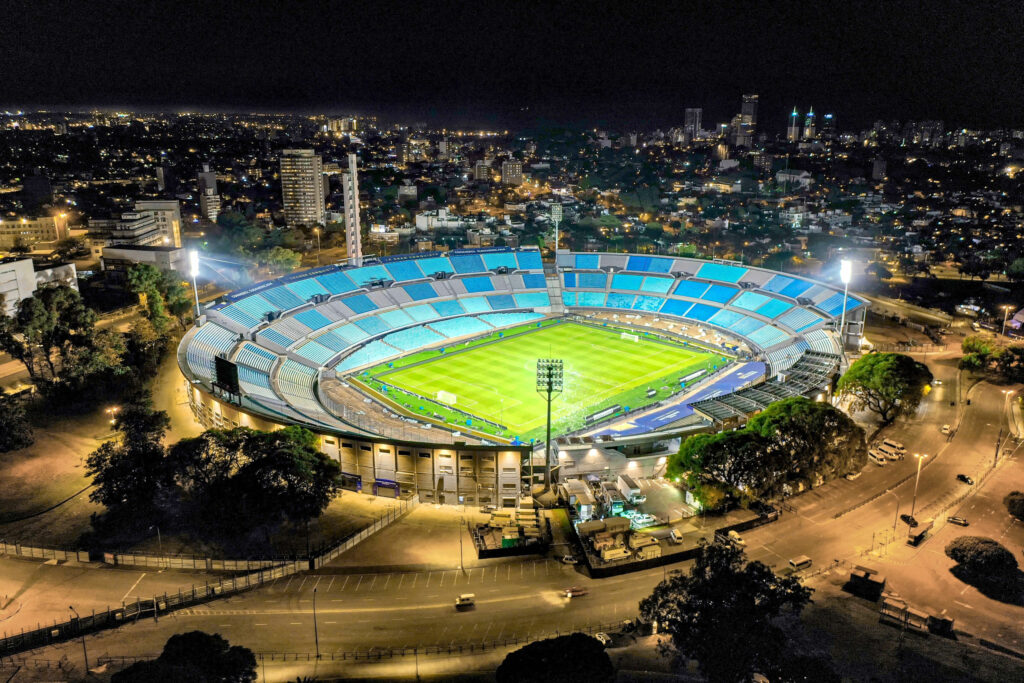
Por Marcelo Campi - https://www.flickr.com/photos/marcelocampi/51695882425/, CC BY-SA 2.0, Enlace
60.235
The Estadio Centenario was built in a record time of just nine months to commemorate the centenary of Uruguay’s first Constitution and to serve as the flagship venue for the 1930 World Cup. On its pitch, Uruguay was crowned the first-ever world champion after defeating Argentina 4-2. Over the decades, it has hosted numerous Copa América finals and legendary Intercontinental Cup matches. Its historical weight is so immense that Pelé once defined it as the « altar of football, » and it remains the cornerstone of South American football heritage.
Designed by architect Juan Antonio Scasso, the Centenario stands out for its circular bowl design and its seamless integration into the green landscape of Parque Batlle. Its most iconic architectural feature is the « Torre de los Homenajes » (Tower of Homages), a 100-meter-tall structure that symbolizes Uruguay’s Olympic gold medals in 1924 and 1928. The stadium is divided into four main stands: América (housing the VIP boxes), Olímpica, Colombes, and Ámsterdam—the latter two named after the cities where Uruguay achieved its Olympic glory.
The atmosphere at the Centenario is a blend of historical nostalgia and overwhelming passion. When the « Celeste » (Uruguayan National Team) plays, the stadium turns into a sea of sky-blue flags and rhythmic chanting. Unlike modern, sterile European arenas, the Centenario retains a rustic, authentic air that transports fans back to the golden era of the sport. The energy during the « Superclásico » between Peñarol and Nacional is among the most intense in the world, characterized by massive « recibimientos » (welcomes) involving fireworks and giant banners.
The stadium is located in the Parque Batlle neighborhood, one of Montevideo’s most important green lungs. Its central and strategic location makes it easily accessible from any part of the city. It is surrounded by major avenues such as Avenida Italia and Avenida Ricaldoni. The stadium also houses the Museo del Fútbol (Football Museum) beneath the Olímpica stand, which is one of the most visited museums in the country, featuring an impressive collection of trophies, jerseys, and historical artifacts.
The name « Centenario » (Centenary) was chosen to honor the 100th anniversary of the oath of the first Constitution of the Oriental Republic of Uruguay, which took place on July 18, 1830. Fittingly, the stadium was inaugurated on July 18, 1930, during the first World Cup, forever linking the nation’s political history with its greatest passion: football.
Reaching the Centenario is very simple thanks to Montevideo’s extensive public bus network. Nearly all bus lines heading east or passing through Avenida Italia stop within a few meters of the stadium. From the Tres Cruces Bus Terminal, it is a 15-minute walk or a 5-minute taxi ride. If you are coming from the City Center or the Old Town (Ciudad Vieja), lines such as 103, 121, or 185 will drop you right at the gates.
For the best panoramic view and maximum comfort, the América Stand or the middle tiers of the Olímpica Stand are the top choices. If you want to experience the raw passion of the local supporters, the Colombes and Ámsterdam stands are where the most vocal fans and « barras bravas » gather. The Olímpica Stand is generally the best for families, offering a great view and a festive, safe environment.
During high-rivalry matches, such as the Peñarol vs. Nacional derby, strict security protocols are implemented, including vehicle exclusion zones and total separation of rival fans. It is highly recommended to arrive at least two hours early to navigate security checkpoints. While the stadium is generally safe, it is wise to avoid carrying valuables and to follow the instructions of the local police. The Football Museum has its own operating hours separate from match days, so it is best to visit on a weekday for a quieter experience.