Kórinn
Kópavogur, Iceland
Reykjavík Iceland
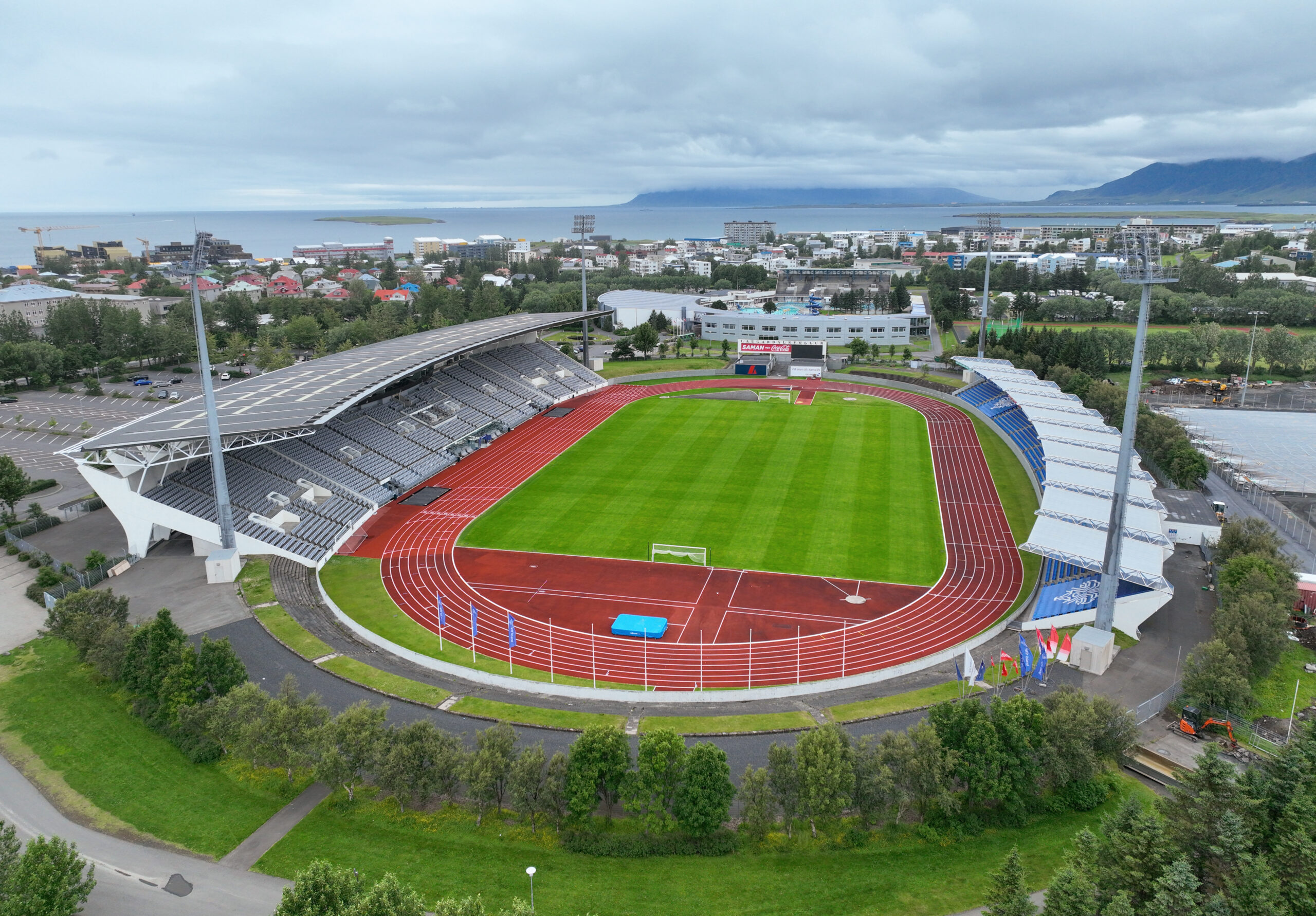
Laugardalsvöllur is the national stadium of Iceland, located in the heart of the capital, Reykjavík. Inaugurated in 1958, it serves as the primary home for the Icelandic Men’s and Women’s National Football Teams. With a capacity of approximately 9,800 (expanding to 15,000 with temporary seating), it has become a legendary site in world football, witnessing Iceland’s historic rise to the Euro 2016 and World Cup 2018. It is a multipurpose venue that blends professional sports with a rugged, North Atlantic charm.
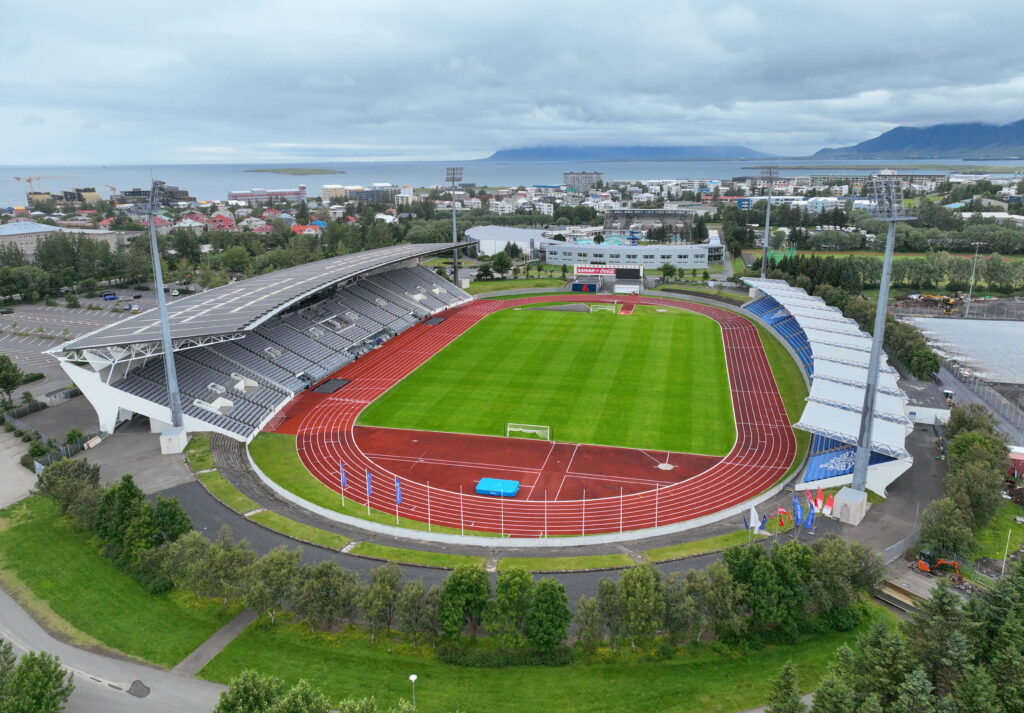
By Quintin Soloviev - Own work, CC BY 4.0, Link
9.522
Laugardalsvöllur has been the heartbeat of Icelandic football for over six decades. Its first major match took place in 1957 against Norway, though the main stand wasn’t completed until later. The stadium underwent significant renovations in 1997 and 2007 to meet UEFA standards. It is famous for « giant-slaying » moments, including a 2-0 victory over Italy in 2004 and the dramatic playoff matches that led Iceland to its first major tournaments. While there are ongoing plans for a new, fully enclosed national stadium, Laugardalsvöllur remains the spiritual home of the « Strákarnir okkar » (Our Boys) and « Stelpurnar okkar » (Our Girls).
The stadium’s architecture is defined by its two main stands. The larger, modern grandstand (built in 2007) features a cantilevered roof and sleek glasswork, housing the VIP sections and media facilities. In contrast, the older stand retains a classic athletic feel. A notable feature of the stadium is its running track, which, combined with the open ends of the ground, allows the cool Icelandic wind to sweep through, often becoming a « twelfth player » for the home team. The pitch uses a specialized heating system to keep the grass playable during the sub-arctic winters.
The atmosphere at Laugardalsvöllur is world-famous thanks to the « Viking Clap » (Tólfan). During national team games, the entire stadium resonates with a rhythmic, thunderous chant that is both intimidating and awe-inspiring. Because the stadium is relatively small, the connection between the fans and the players is incredibly intimate. The matchday experience is chilly but warm-hearted; it’s common to see fans wrapped in wool blankets, cheering fervently under the midnight sun or the floodlights.
The stadium is the centerpiece of the Laugardalur valley, known as Reykjavík’s « Valley of Light. » This district is the city’s primary recreational hub, characterized by vast green spaces, botanical gardens, and the Laugardalslaug—Iceland’s largest geothermal swimming pool complex, located right next door. The neighborhood is peaceful and residential, offering a stark contrast to the bustling downtown area. On matchdays, the park transforms into a sea of blue as fans walk through the wooded paths to reach the gates, creating a festival-like environment in the middle of nature.
The name translates to « Laugardalur Field. » « Laugardalur » means « Hot Spring Valley, » a reference to the geothermal activity where Reykjavík women used to wash laundry in the old days. The name anchors the stadium to the geological and social history of the capital, symbolizing a place of gathering and energy.
Laugardalsvöllur is easily accessible from downtown Reykjavík. You can take Bus Line 14, which stops directly at the stadium (station: Laugardalshöll). Alternatively, a brisk 30-minute walk from the city center through the scenic coastal path or the Laugavegur shopping street is a popular choice for locals. For those driving, there is limited parking at the stadium, but plenty of spaces in the surrounding sports complex areas.
For the best view and protection from the unpredictable Icelandic weather, the upper sections of the New Grandstand (West Stand) are essential. These seats are covered and provide a panoramic view of the pitch and the mountains in the distance. If you want to experience the « Viking Clap » at its loudest, try to get tickets near the Tólfan supporters’ group in the lower sections of the West Stand.
The stadium kiosks serve the famous Icelandic « Pylsur » (hot dogs) and hot cocoa to keep fans warm. For a pre-match meal, the nearby Laugardalslaug cafe is a local favorite. Just a short walk away, you’ll find Gló, a healthy eatery, or the casual bistros in the Suðurlandsbraut business district. Most fans, however, grab a pint at the craft beer bars in downtown Reykjavík before heading to the valley for the game.
The most important tip for Laugardalsvöllur: dress in layers! Even in the summer, the wind can be biting. Tickets for national team games sell out almost instantly via the KSÍ (Football Association of Iceland) website, so plan months in advance. The stadium is incredibly safe and family-friendly. After the match, do as the locals do and head to the Laugardalslaug geothermal pool next door for a soak in the hot tubs—it’s the ultimate Icelandic post-match tradition.