OPAP Arena
Athens, Greece
Athens Greece
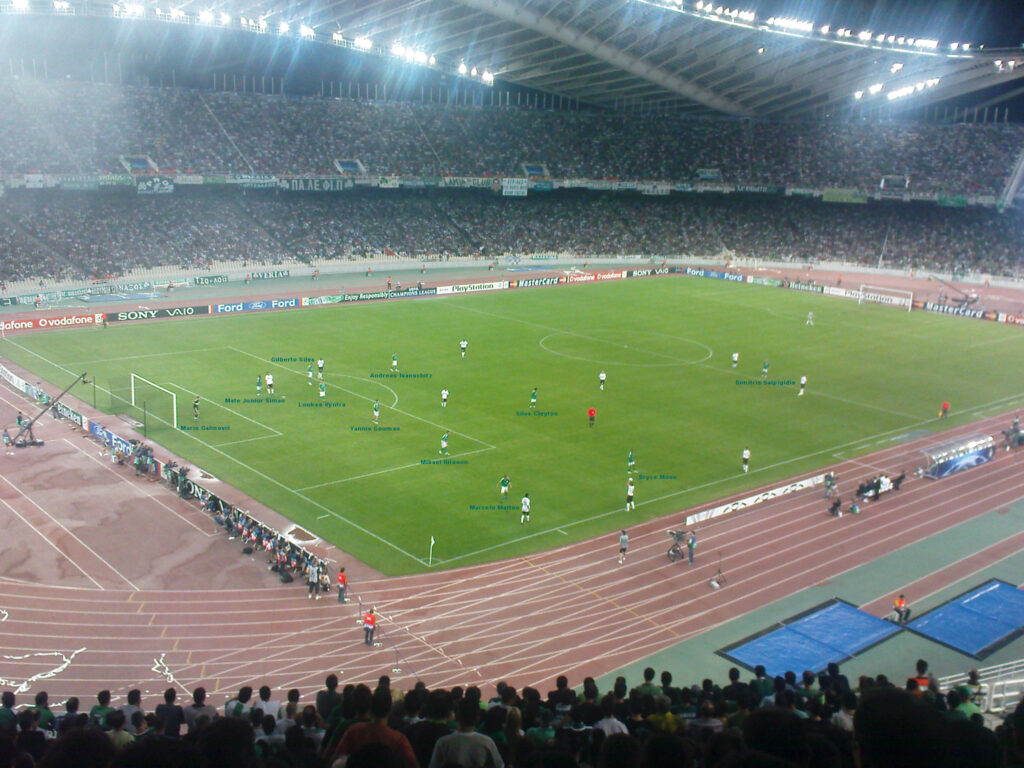
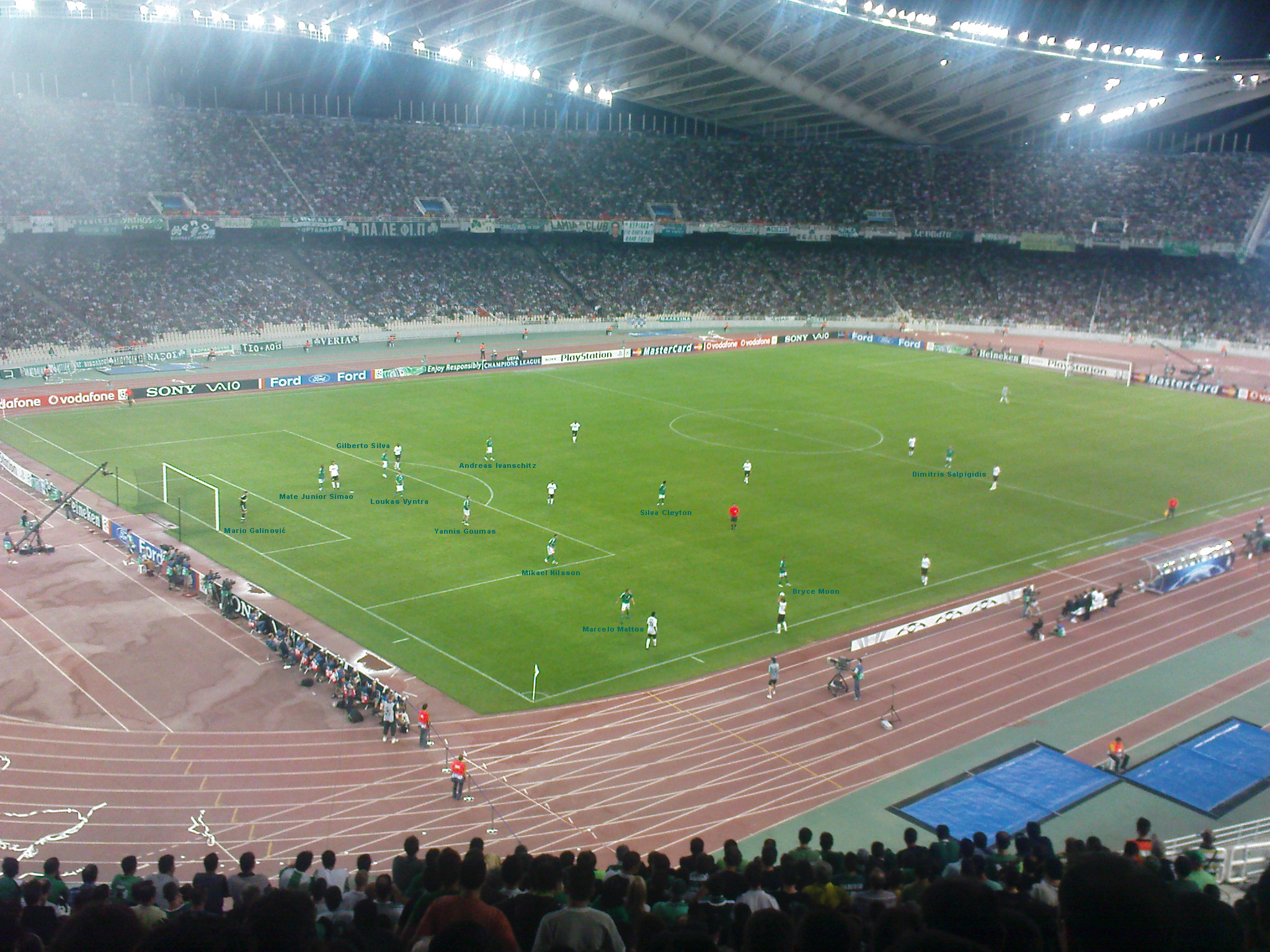
The Athens Olympic Stadium « Spyros Louis, » part of the Athens Olympic Sports Complex (OAKA), is Greece’s premier sporting landmark. Named after the first modern Olympic marathon winner, the stadium is globally recognized for its massive steel-and-glass roof designed by architect Santiago Calatrava. With a capacity of approximately 69,618, it serves as the home ground for Panathinaikos FC and the Greece National Football Team. As of May 2026, the stadium is nearing the completion of a major €76 million restoration project that saw it provisionally reopen in 2024 following critical safety concerns regarding its roof structure.
69.618
The construction of Toumba Stadium began in 1957 and was completed in 1959, funded largely by the club’s supporters through a dedicated « fundraising lottery. » Over the decades, it has undergone several expansions and renovations, reaching a peak capacity of over 45,000 in the 1970s before safety regulations and seating installations reduced it to its current size. In March 2026, a milestone agreement was signed between PAOK FC and the management of Kaftanzoglio Stadium, formalizing the club’s interim home while the original Toumba is demolished and rebuilt into an elite UEFA-standard facility.
The current Toumba is a traditional, open-air bowl with an elliptical shape, featuring an athletics track that separates the stands from the pitch. Its four curved stands are iconic, particularly the West Stand, which features a modern roof and VIP lounges added during the 2004 Olympic upgrades. The « New Toumba » project, designed by Populous (the architects behind the Tottenham Hotspur Stadium), will move the stands closer to the pitch, eliminate the running track, and feature a striking exterior inspired by an eagle’s wings, symbolizing the club’s double-headed eagle emblem.
Toumba is globally famous for its volcanic atmosphere, particularly in Gate 4, the heart of the PAOK ultras. The « Toumba Experience » is characterized by non-stop chanting, massive flares, and a level of noise that earned the stadium the nickname « The Black Hell. » Despite the impending move to Kaftanzoglio, matchdays in 2026 remain a high-intensity affair, with the surrounding neighborhood of Toumba turning into a sea of black and white hours before kickoff. The proximity of fans to the players in the new design is expected to further amplify this legendary intensity.
The stadium is located in the eastern part of Thessaloniki. It is well-connected to the city center via public bus lines and the « Papafi » station of the Thessaloniki Metro, which significantly improved accessibility following its completion. For fans traveling from the Thessaloniki International Airport, the stadium is approximately a 20-minute drive. During the 2026 transition period, fans are increasingly using the Papafi and Panepistimio metro stops to navigate between the Toumba district and the temporary home at Kaftanzoglio.
The stadium is officially the PAOK Stadium, but it is universally known as « Toumba » because of the district where it stands. The name « Toumba » refers to the artificial mounds or hills (tumuli) common in the area, particularly the archaeological site located near the stadium. This link to the city’s ancient history reinforces the stadium’s status as a cultural landmark that is deeply embedded in the soil and identity of Thessaloniki.
The most efficient way to reach the stadium is via the Thessaloniki Metro to the Papafi station, followed by a short 5-minute walk. Numerous OASTH bus lines (such as lines 12, 14, and 30) serve the Mikras Asias street directly. If you are staying in the city center near Aristotelous Square, a taxi ride takes about 10–15 minutes, though traffic becomes extremely heavy on matchdays. During the construction phase in 2026, ensure you verify if the match is at Toumba or the temporary Kaftanzoglio Stadium before traveling.
In the current stadium, the West Stand (Gates 1, 2, and 3) provides the best comfort and shelter from the weather, along with the best view of the pitch. For those seeking the legendary PAOK atmosphere, Gate 4 is the epicenter of the crowd’s energy, though it is not recommended for casual spectators. The « VIP 1 » and « VIP 2 » lounges in the West Stand offer a high-end experience with climate control and premium catering, which will be significantly expanded in the New Toumba design.
The Toumba district is a food lover’s paradise, filled with traditional « tavernas » and « ouzeries. » Fans typically gather at the various grills on Mikras Asias street for a « souvlaki » or « gyros » before the match. The « Ston Pirgo » area and the various cafes along Grigoriou Lampraki Street are popular spots for a pre-game beer. In 2026, these local businesses remain the soul of the matchday ritual, even as the club transitions to its interim venue across the city.
The « New Toumba » project is in its final bureaucratic stages, with tender documents for related urban works expected by June 2026. PAOK has officially agreed to use Kaftanzoglio Stadium as their home during the demolition and construction process, which is estimated to cost €200 million. Fans should be aware that all PAOK matches now require digital ticket verification through the Gov.gr Wallet app, and strict security zones are enforced around both the Toumba and Kaftanzoglio precincts.