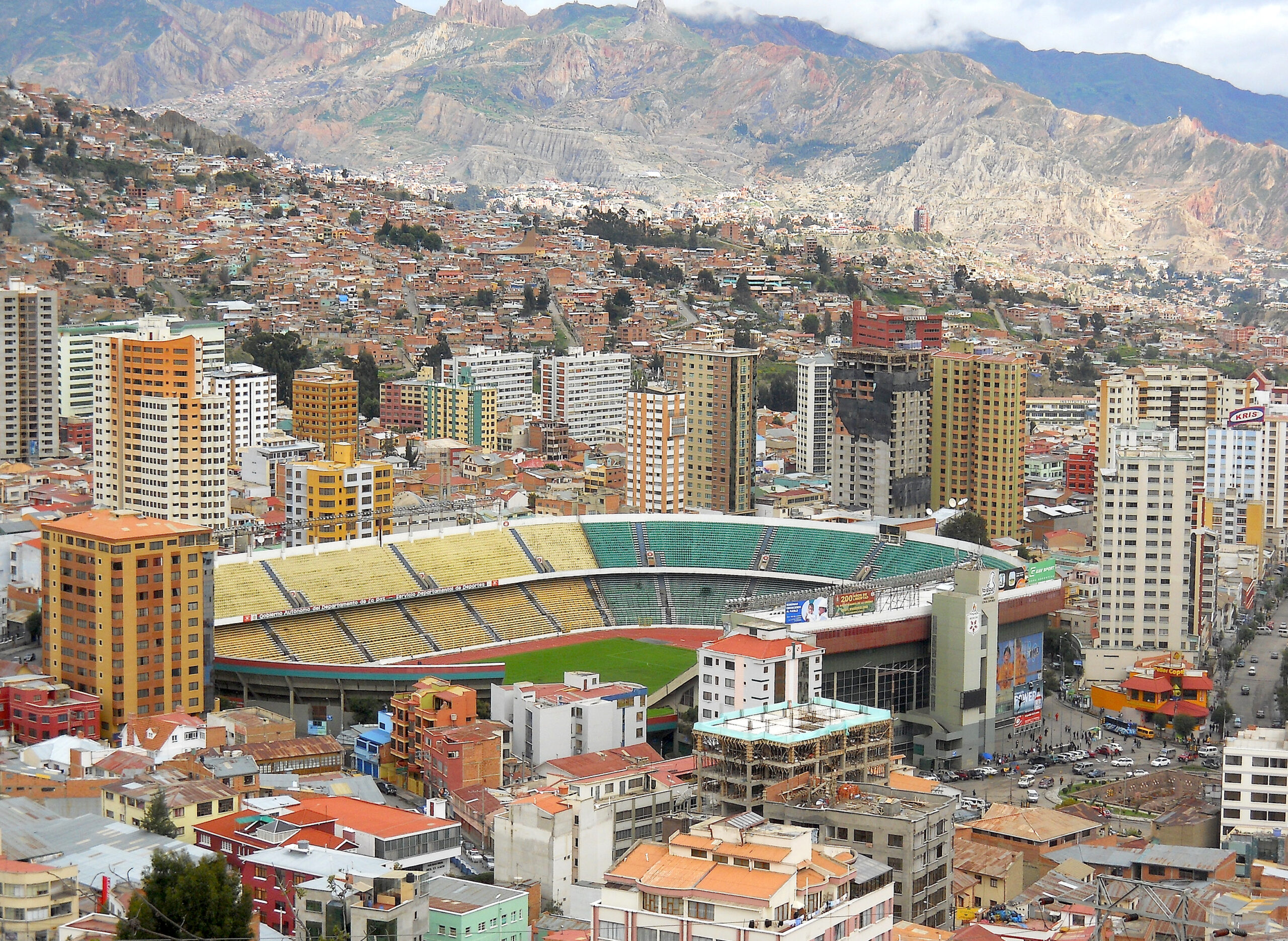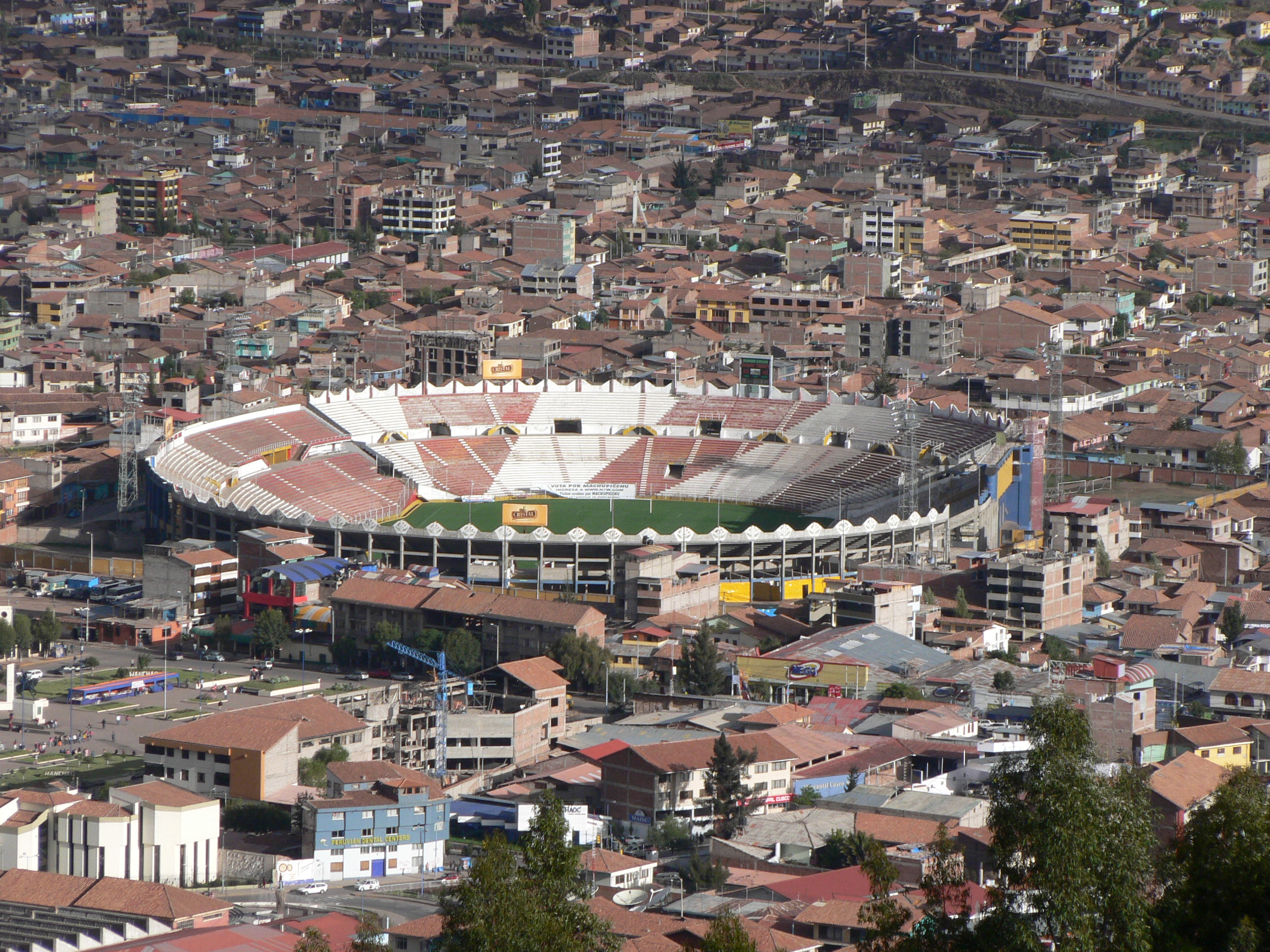
Estadio Inca Garcilaso de la Vega
Cusco, Peru
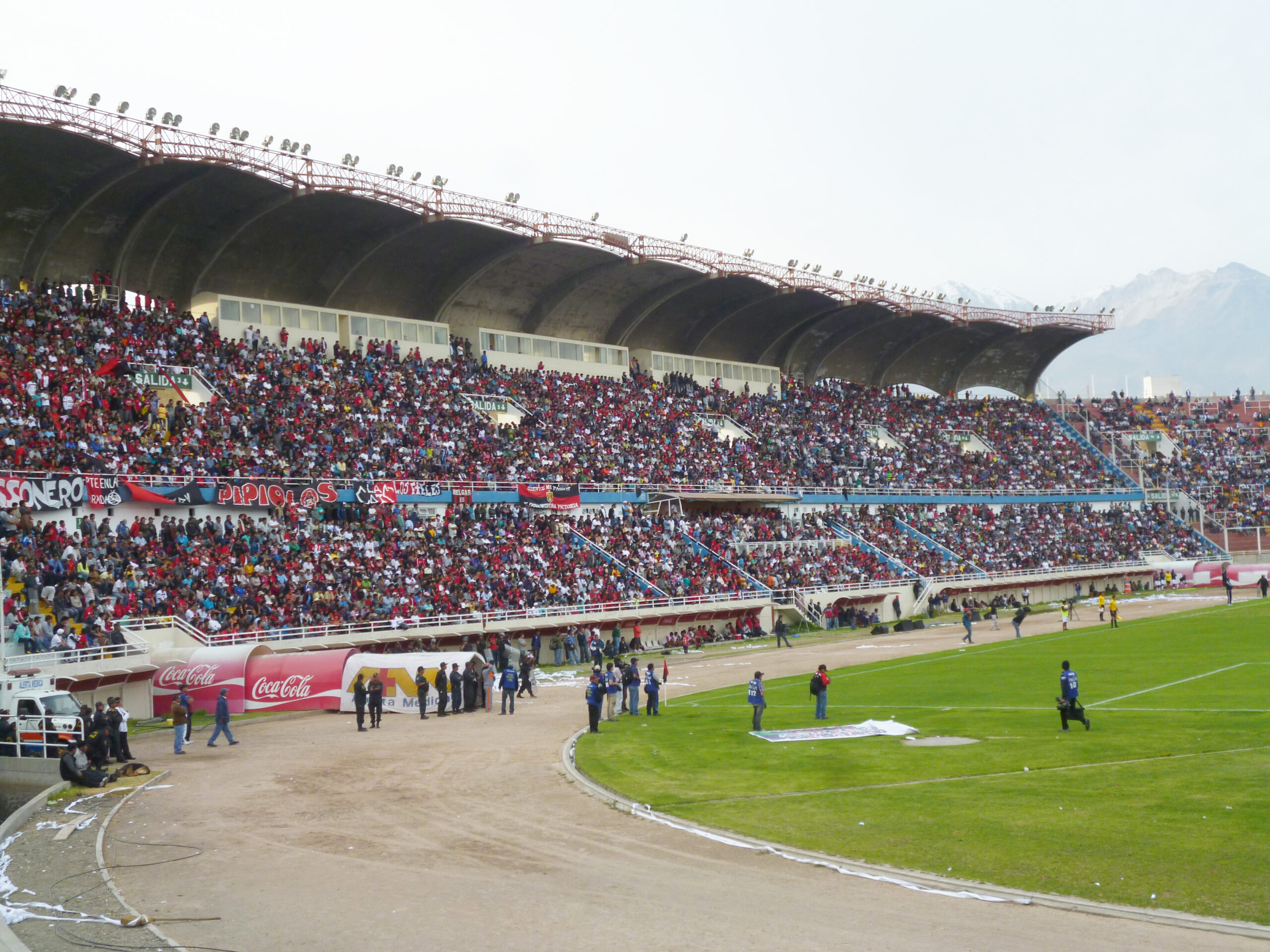
Arequipa Peru
The Estadio Monumental Virgen de Chapi, commonly known as the Estadio Monumental de la UNSA, is an iconic multi-purpose stadium nestled in the « White City » of Arequipa, Peru. Standing at an elevation of 2,335 meters, it is the second-largest stadium in the country, boasting a capacity of approximately 40,370 for seated matches, though it can accommodate up to 60,000 for major events. Owned by the Universidad Nacional de San Agustín, it serves as the formidable home ground for FBC Melgar. Named after Arequipa’s patron saint, the stadium is a symbol of regional identity and remains a premier South American venue for international football and track-and-field excellence in 2026.
By Rojinegro81 - Own work, CC BY-SA 3.0, Link
60.000
Inaugurated on July 30, 1995, the stadium was built to modernize Arequipa’s sporting landscape for the 1997 Bolivarian Games. It quickly etched its name into South American folklore in 2003, when Cienciano defeated River Plate to clinch the Copa Sudamericana title—marking the first time a Peruvian club won a continental trophy on home soil. Throughout 2025 and 2026, the venue has continued to host high-stakes Liga 1 and Copa Sudamericana fixtures, maintaining its reputation as a difficult high-altitude « fortress » for visiting teams from across the continent.
The stadium’s design is a striking concrete bowl that harmonizes with Arequipa’s volcanic topography. It features four primary stands: Occidente (West), Oriente (East), Norte, and Sur. The Occidente stand is the most modern, featuring a partial roof that provides shade during the intense Andean afternoons. A distinctive feature of the « Monumental » is its Olympic running track, which surrounds a meticulously maintained natural grass pitch. On clear days, the architecture serves as a natural frame for the towering Misti Volcano, offering one of the most picturesque backdrops in world football.
The atmosphere during FBC Melgar matches—the « León del Sur »—is defined by a fierce regionalism. Fans clad in red and black (Rojinegro) create a vibrant wall of sound that resonates throughout the university campus. The matchday experience in 2026 is bolstered by Arequipa’s famous culinary scene; vendors outside the gates offer local staples like « Adobo » and « Queso Helado. » The altitude of over 2,300 meters adds a visceral edge to the game, as the thinner air increases ball speed and tests the endurance of every athlete on the pitch.
Located within the main campus of the Universidad Nacional de San Agustín (UNSA) in the Cercado district, the stadium is exceptionally central. It is a 5-minute taxi ride or a 25-minute walk from Arequipa’s historic Plaza de Armas. In 2026, the stadium remains well-integrated with the city’s bus system, with frequent stops along Avenida Venezuela. For international visitors, the stadium is roughly 30 minutes from the Rodríguez Ballón International Airport, though arriving early on matchdays is essential due to the heavy traffic typical of the university district.
The stadium’s spiritual name honors the Virgen de Chapi, the most revered religious figure in Southern Peru. Her image is synonymous with protection and regional pride, and naming the stadium after her reflects the deep-rooted faith of the « Arequipeños. » While its official academic title is the Estadio Monumental de la UNSA, the religious name is what resonates most with the local populace, linking the city’s greatest athletic achievements with its patron saint.
The most reliable way to reach the stadium is by taxi from the city center; simply tell the driver « Estadio de la UNSA. » Public minibuses (Combies) labeled « UNSA » or « Venezuela » are also plentiful and cost a fraction of a taxi fare. If you are staying in the historic center, walking is a viable and scenic option. In 2026, many fans also use mobile rideshare apps like Uber or Cabify, though surge pricing and traffic are common near kickoff times.
For the best panoramic view and tactical perspective, the « Occidente » (West) stand is the top choice, as it provides shelter from the sun. If you want to experience the heart of the Melgar support, the « Norte » and « Sur » curves are where the most passionate fans gather with drums and flags. For photographers, the « Oriente » (East) stand is preferred for afternoon games, as it offers the best lighting and the most iconic view of the Misti Volcano behind the opposite stand.
Arequipa is Peru’s culinary capital, and the stadium vicinity is perfect for a pre-match feast. Nearby Avenida Dolores is famous for its « Picanterías » serving Rocoto Relleno and Pastel de Papa. Directly outside the stadium, you will find street vendors selling « Chicha de Jora » (fermented corn beer) and various grilled meats. For a quick snack, the « Queso Helado » (cinnamon frozen dessert) sold by traditional vendors is a mandatory part of the Arequipa matchday experience.
Security at the stadium is strict, particularly for high-profile derbies against rivals like Cienciano. Police often prohibit items such as belts with large buckles, umbrellas, and glass bottles. Visitors should be respectful of the 2,335-meter altitude; stay hydrated and avoid heavy meals immediately before the match. In 2026, the stadium has implemented more digital ticketing checkpoints, so ensure your phone is charged or you have a physical backup of your entry pass.