Estadio Claudio Chiqui Tapia
Buenos Aires, Argentina
Avellaneda Argentina
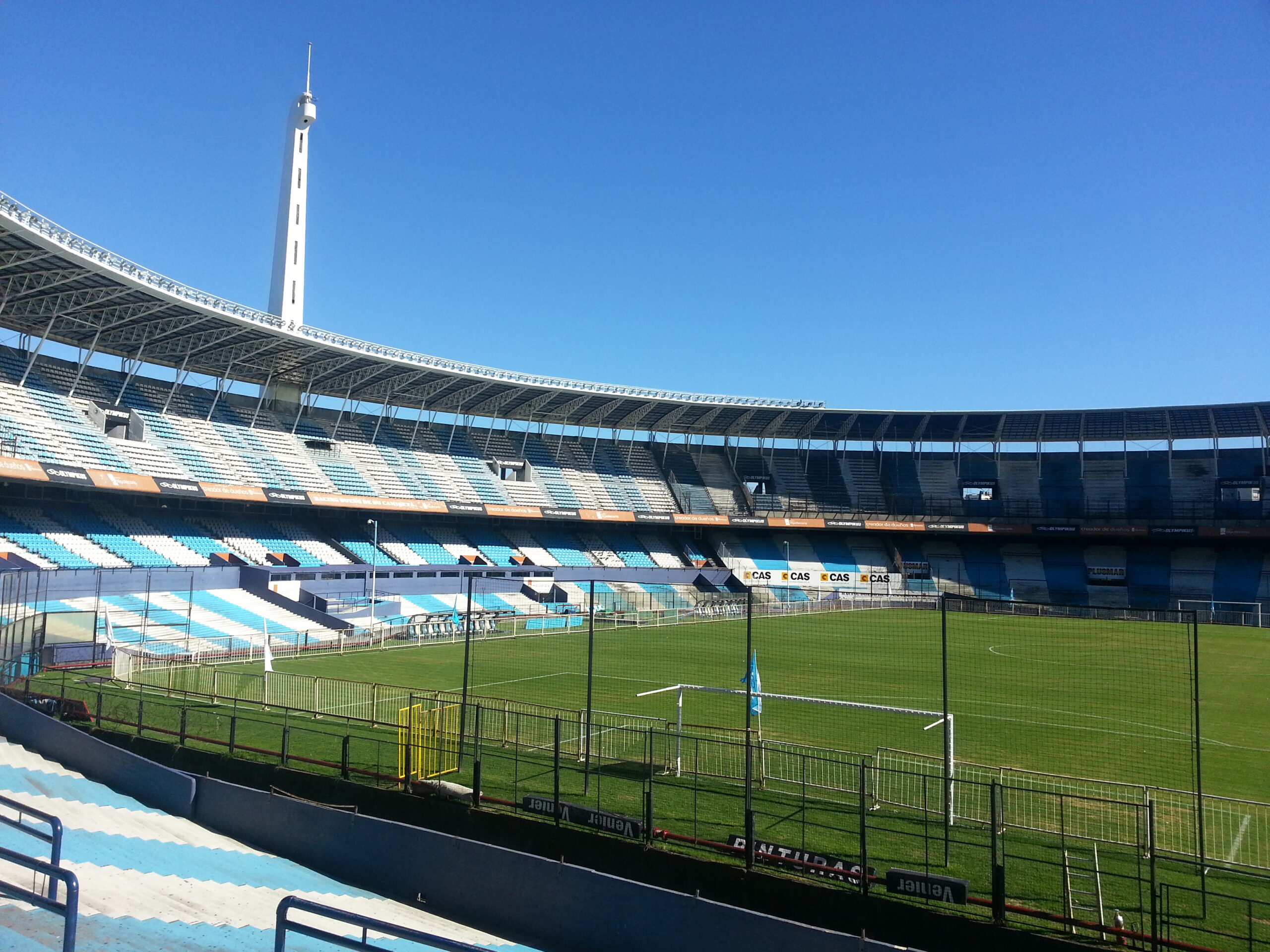
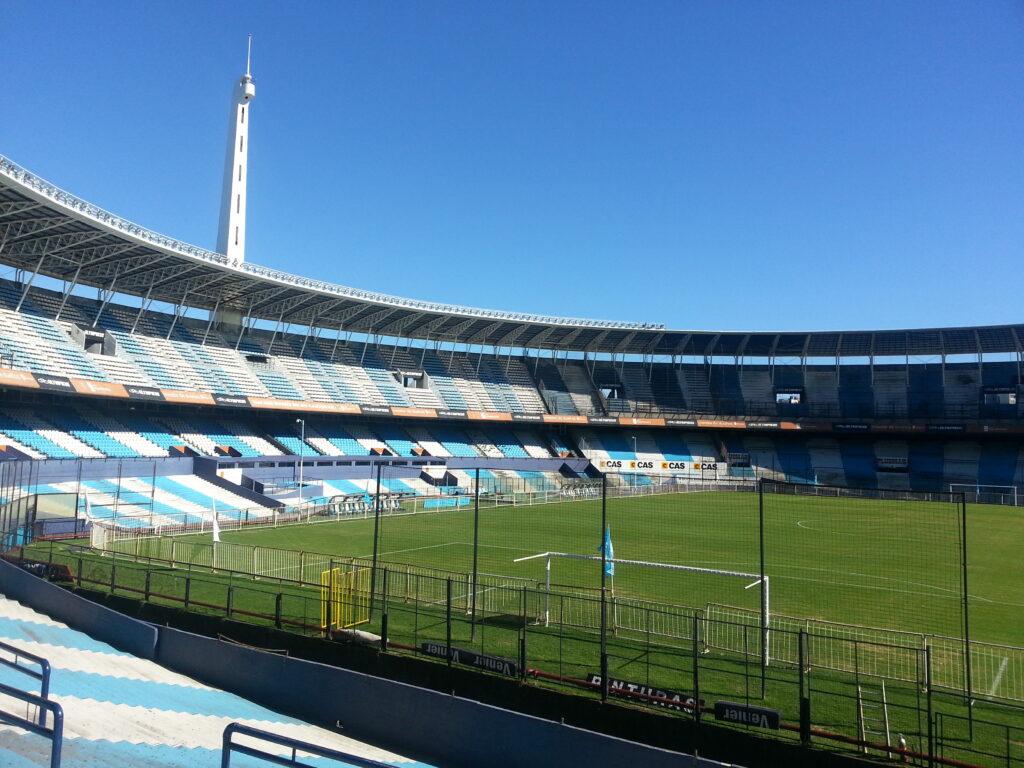
Estadio Presidente Peron is a legendary football venue located in Avellaneda, Greater Buenos Aires, with an official capacity of 51389 spectators. Serving as the historic home ground for Racing Club, this architecturally unique stadium stands out for its perfect circular bowl design. Although South American venues do not use UEFA categories, it meets elite standards for international tournaments like the Copa Libertadores.
Sentencia Gráfica Estudio, CC0, via Wikimedia Commons
51.389
The ground of Estadio Presidente Peron was constructed between 1947 and 1950 to replace the older wooden arena previously used by Racing Club on the same site. The development of this ambitious project was heavily supported by the Argentine government, which granted a significant loan for its completion. In recognition of this support, the club appointed the nation’s leader, Juan Domingo Peron, as honorary president and named the stadium in his honor. The stadium officially opened on September 3, 1950, establishing a permanent home for the club in Avellaneda. Over the decades, the venue underwent structural adjustments, transitioning from a massive, high-capacity concrete amphitheater to a more modern, covered sporting arena.
The stadium is universally recognized for its distinctive circular shape, which earned it the famous moniker El Cilindro. Built primarily of reinforced concrete, the structure features a unique double-tiered stand design that forms a continuous, unbroken ring around the playing pitch. A major architectural addition was completed in the mid-1990s when a translucent, light blue roof was installed over the entirety of the spectator seating areas. This translucent material allows natural light to illuminate the stands while shielding spectators from the elements. The continuous circular shape of the concrete stands creates a natural acoustic bowl, reflecting and amplifying the vocal support of the crowd directly onto the playing surface.
The official name of the stadium is Estadio Presidente Peron, named after the former Argentine president Juan Domingo Peron, who authorized the state funding necessary for its construction. Locally and globally, the ground is almost exclusively referred to as El Cilindro, a nickname directly inspired by its perfectly cylindrical, circular architectural form. The stadium belongs to Racing Club de Avellaneda, one of the historic Big Five clubs of Argentine football, whose identity is deeply rooted in the blue and white colors represented throughout the concrete tiers.
Since its opening, the stadium has undergone several structural modernizations to improve safety and comfort. In 1966, the venue installed advanced lighting towers, followed by a major overhaul between 1995 and 1997, which introduced the translucent roof and converted many standing terraces into seated areas. These changes reduced the overall capacity from historic six-figure levels to the modern official capacity of 51389. The seating configuration is split into two main levels, consisting of the upper ring and the lower ring, which include dedicated VIP hospitality boxes, press cabins, and secure standing terraces behind the goals for local supporter groups.
Estadio Presidente Peron has hosted some of the most dramatic encounters in South American football history. On September 3, 1950, the inaugural match saw Racing Club secure a one to zero victory over Velez Sarsfield. The venue also witnessed the 1967 Intercontinental Cup second leg, where Racing Club defeated Celtic by two goals to one in front of a record crowd estimated at over one hundred thousand spectators. Additionally, the stadium has served as a neutral venue for major national finals, including the 1969 Torneo Metropolitano final where Chacarita Juniors defeated River Plate, and the intense 1976 Torneo Nacional final where Boca Juniors claimed a victory over River Plate.
The stadium is situated in the city of Avellaneda, located in the southern part of the Greater Buenos Aires metropolitan area, approximately ten kilometers from the central downtown Obelisco. The surrounding neighborhood is a dense, working-class urban district characterized by residential houses, local shops, and industrial history. On matchdays, the streets surrounding the venue, particularly Pasaje Mozart and Diego Milito, fill with local residents and traveling supporters, creating a vibrant, traditional football atmosphere hours before the gates open.
Getting to the stadium is most convenient via the Roca train line from Plaza Constitucion station in central Buenos Aires, with visitors getting off at the Dario Santillan y Maximiliano Kosteki station, which is a ten-minute walk from the gates (à vérifier avant votre visite). Multiple local bus lines, commonly known as colectivos, run from the capital to Avellaneda, including lines 10, 17, 22, 98, and 148, stopping along the nearby Avenida Mitre (à vérifier avant votre visite). For those traveling by car or taxi, the journey from downtown Buenos Aires takes approximately thirty minutes depending on traffic, though parking around the residential streets of Avellaneda can be extremely limited on matchdays.
For the best panoramic views of the match and the architectural scale of El Cilindro, seats in the upper tier along the lateral stands are highly recommended. The lower tiers along the sides offer a closer view of the pitch but are more exposed to the elements. The passionate home supporters and ultras congregate on the lower terrace behind the goal, an area filled with constant movement and standing spectators. Visiting supporters are typically allocated a specific, segregated section in the upper deck, which can accommodate up to thirty-five hundred away fans depending on the competition guidelines.
Guided tours of El Cilindro and access to the dedicated club museum are periodically organized by Racing Club, offering fans a chance to walk through the players’ tunnel, view the trophy room, and explore historic club memorabilia. Because these tours and museum hours are subject to frequent changes based on the club’s training schedules, league fixtures, and stadium maintenance, booking in advance is highly recommended (check before your visit). On matchdays, stadium tours are generally suspended, though the museum space may remain open for limited hours prior to kickoff (check before your visit).
Before entering the stadium, the local streets of Avellaneda offer a traditional culinary experience where street vendors sell classic Argentine choripan, a grilled chorizo sausage in bread, alongside bondiola pork sandwiches. Numerous historic bars and local social clubs can be found along Avenida Mitre and the surrounding blocks, where home fans gather to drink local beers like Quilmes. Inside the stadium gates, basic food kiosks sell soft drinks, water, and simple snacks, though alcohol sales are prohibited inside football stadiums under local Argentine sporting laws.
Due to the intense local rivalry with CA Independiente, whose stadium is located just a few hundred meters away, security protocols in Avellaneda are exceptionally strict. High-risk matches and local derbies are subjected to thorough police checkpoints, requiring spectators to present their physical match ticket or membership card alongside a valid government identification document. Visitors are advised to arrive at least two hours before kickoff to navigate the security rings smoothly. Large bags, umbrellas with sharp tips, professional cameras, and plastic bottles are strictly prohibited from entering the venue.
The official megastore of the club, Locademia, is located directly within the stadium complex in Avellaneda (à vérifier avant votre visite). This store offers a complete range of official merchandise, including home and away jerseys, training gear, and club accessories. Racing Club also operates secondary physical retail branches in downtown Buenos Aires, as well as an official online shop for domestic and international deliveries. Opening hours on matchdays can vary depending on kickoff times, so visiting supporters are advised to check local details on the day of the game (à vérifier avant votre visite).
The official capacity of the stadium is 51389 spectators, following modern renovations that converted several standing terraces into seated areas.
Racing Club de Avellaneda plays all its domestic league and international home matches at the stadium.
The Estadio Libertadores de America, home of rivals CA Independiente, is located less than three hundred meters away from Estadio Presidente Peron.
The most efficient route is taking the Roca train line from Plaza Constitucion station to Dario Santillan y Maximiliano Kosteki station, followed by a ten-minute walk.
Due to local security regulations in Argentine football, away fans are generally banned from domestic league matches, though they are permitted during international tournaments like the Copa Libertadores.