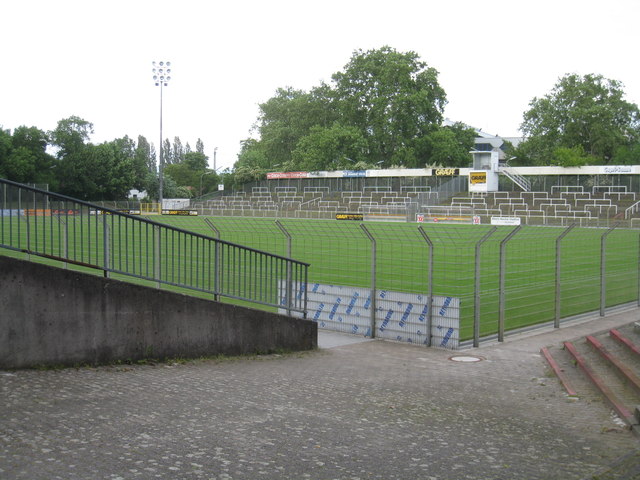
Rhein Neckar Stadion
Mannheim, Germany
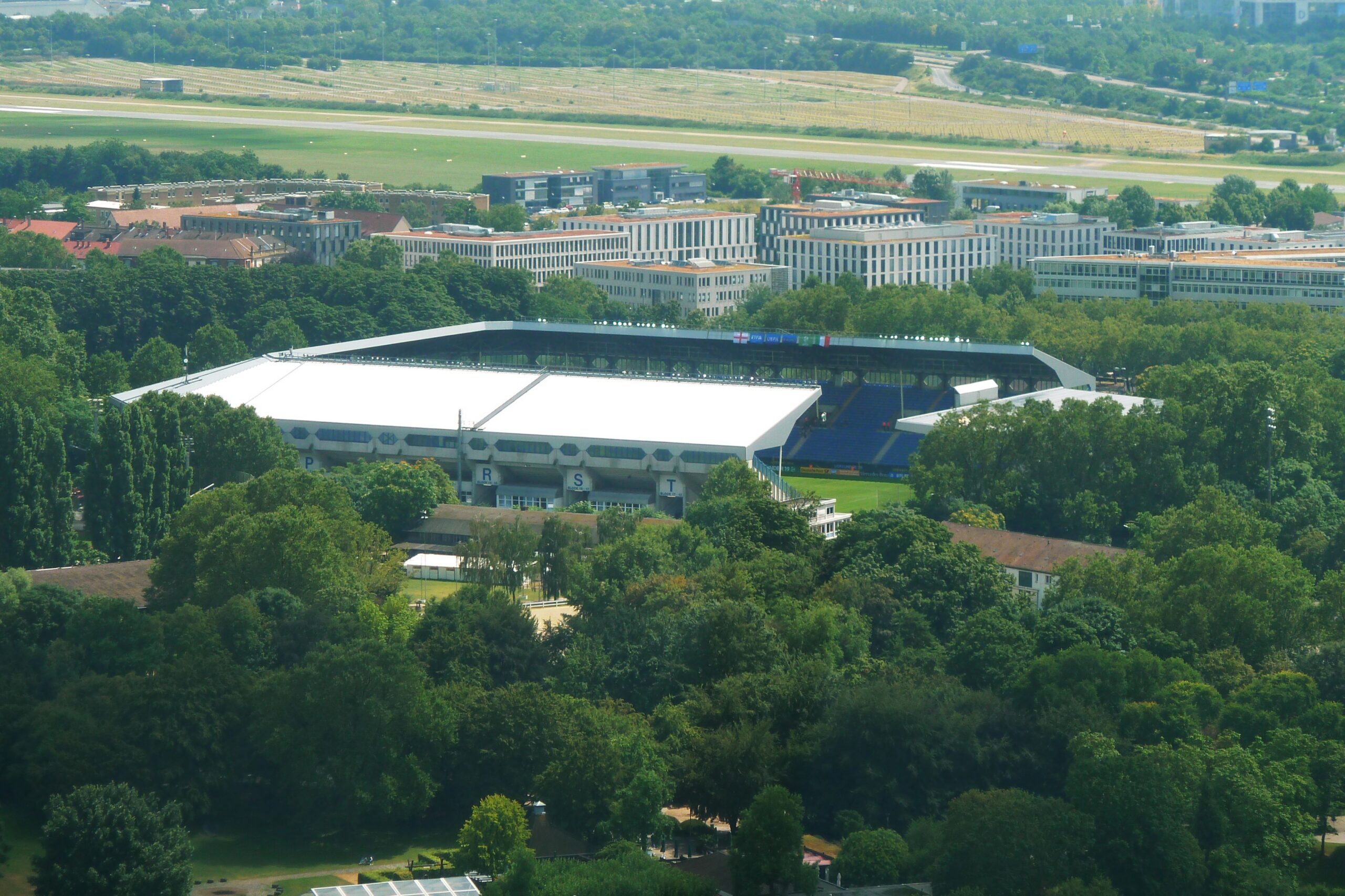
Mannheim Germany
Carl-Benz-Stadion is a football stadium located in Mannheim, Germany, and is the home ground of SV Waldhof Mannheim. Opened in 1994, the stadium has a capacity of around 24,000 spectators and plays an important role in the football culture of the Rhine-Neckar region. Known for its classic design and passionate local supporters, it offers an authentic matchday experience and is a notable stop for groundhoppers exploring German football beyond the top tier.
24.000
Carl-Benz-Stadion was inaugurated in 1994 as a replacement for the aging Alsenwegstadion, which had previously served as SV Waldhof Mannheim’s home ground. The new stadium was built to provide modern facilities while maintaining a strong connection to the club’s identity. Over the years, it has hosted matches across various levels of German football, reflecting the club’s fluctuating league status.
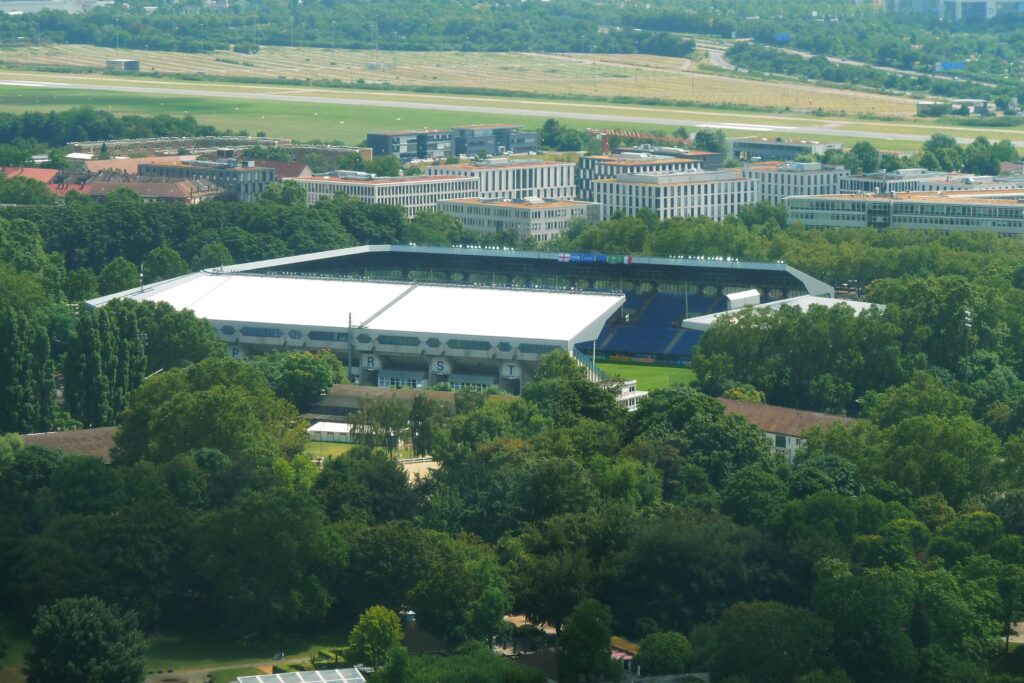
The stadium features a traditional football layout with four distinct stands surrounding the pitch. Its design prioritizes functionality and clear sightlines rather than architectural extravagance. The open corners and relatively steep stands help keep spectators close to the action.
Carl-Benz-Stadion is known for its intense and emotional atmosphere, especially during derby matches and high-profile fixtures. The supporters of Waldhof Mannheim are vocal and committed, creating a lively environment that reflects the club’s strong local roots. When the stadium is well attended, it delivers a raw and traditional German football experience.
The stadium is located in the eastern part of Mannheim, near residential areas and local sports facilities. It is accessible by public transport, with tram and bus connections linking it to the city center and main train station. Matchday access is generally straightforward for both local and visiting fans.
The stadium is named after Carl Benz, the automotive pioneer and inventor of the automobile, who was closely associated with the city of Mannheim. The name highlights the city’s industrial heritage and its historical significance beyond football.