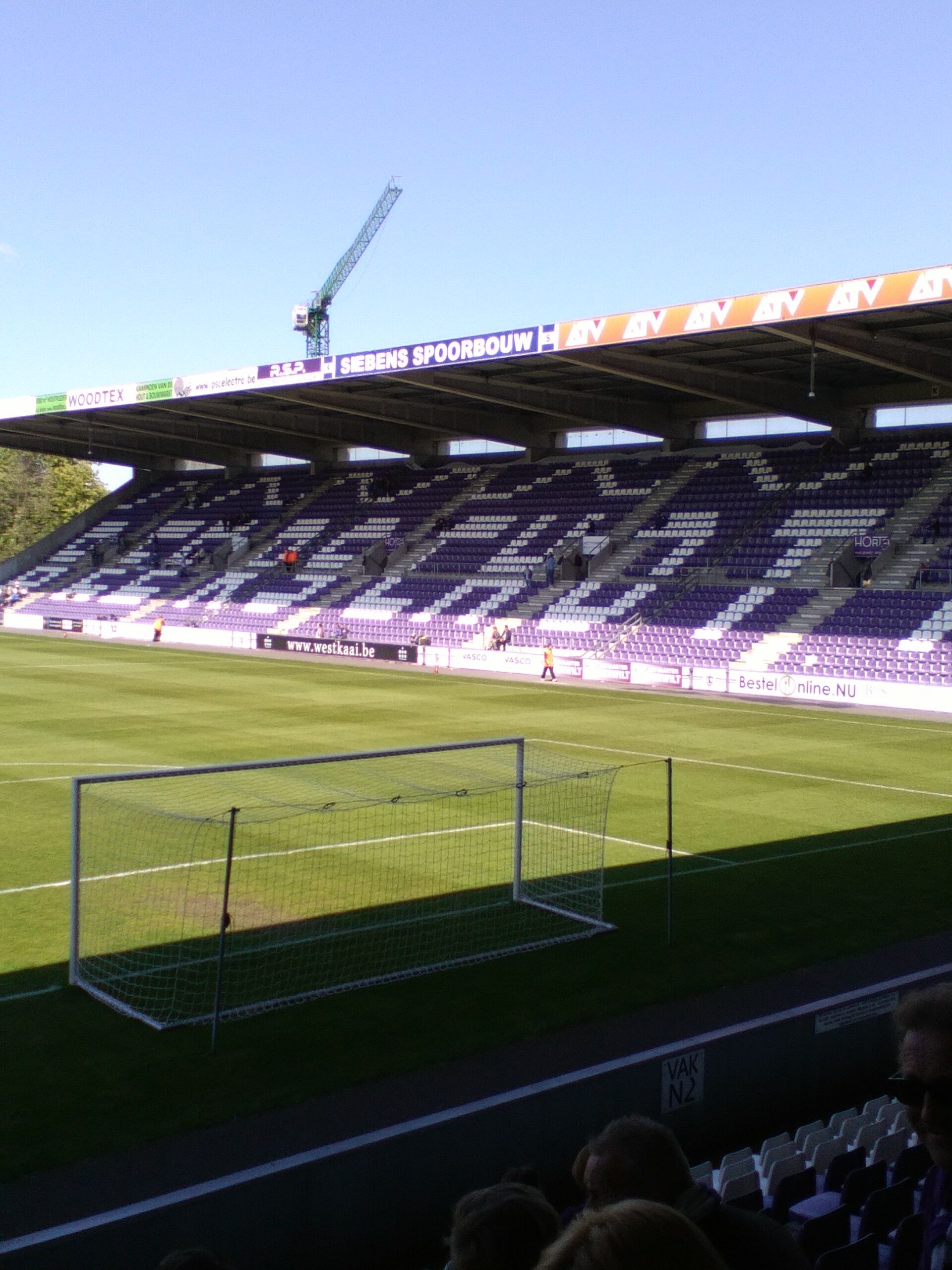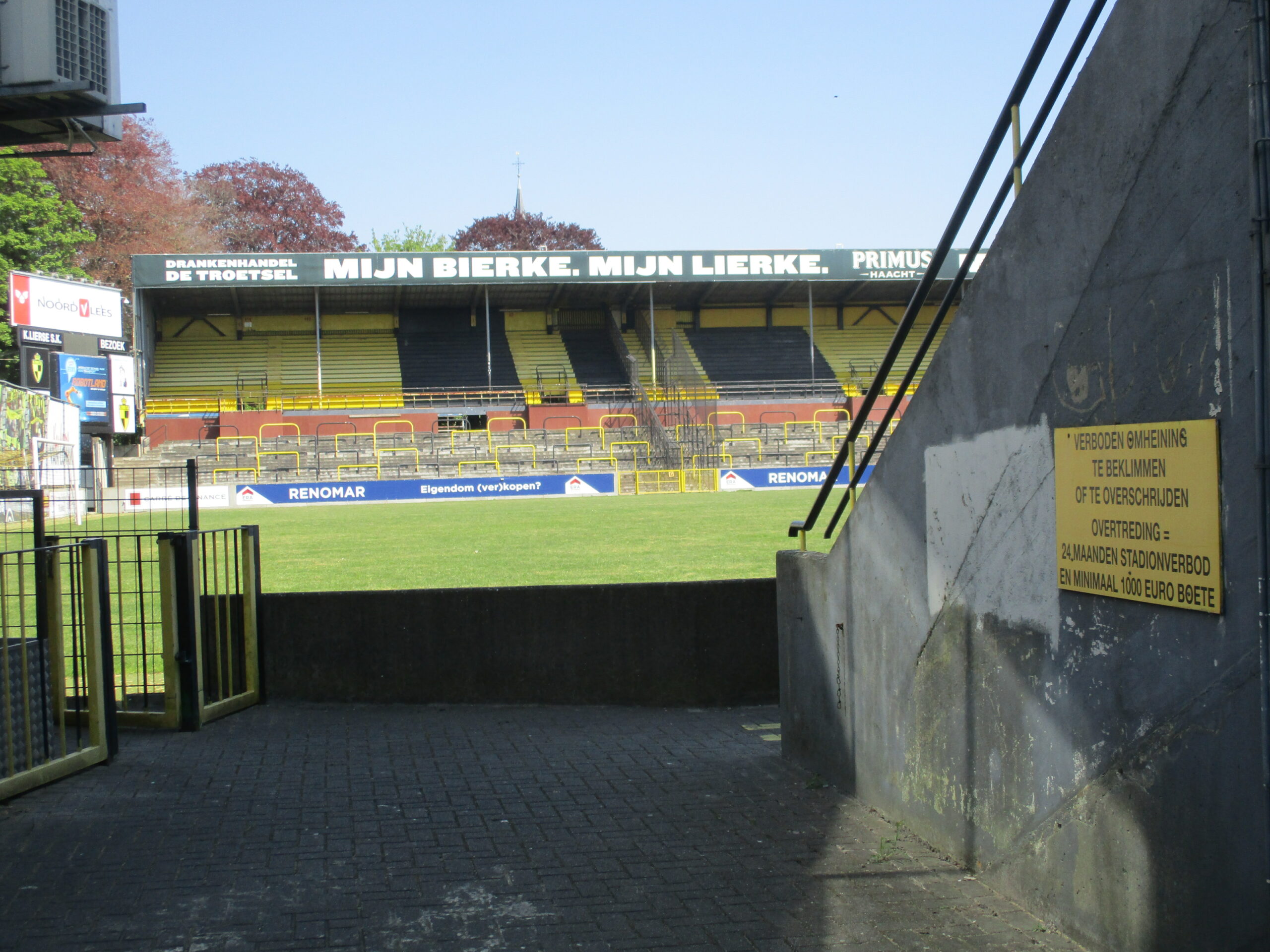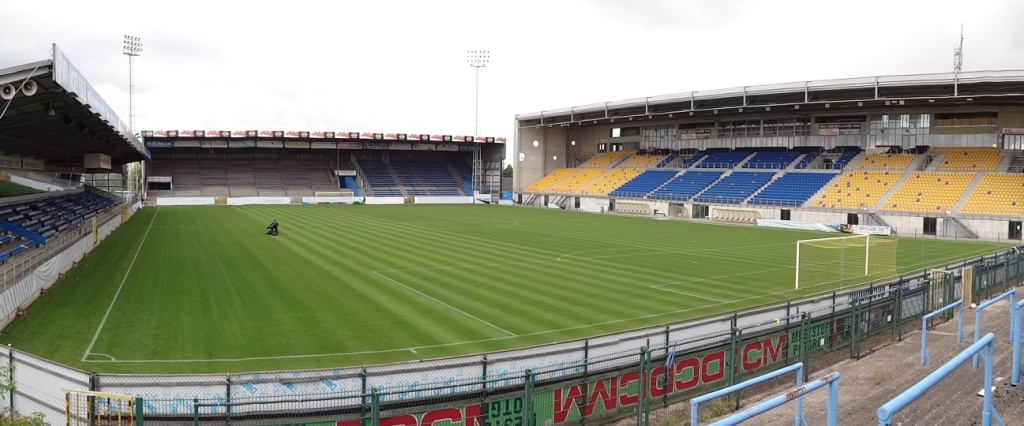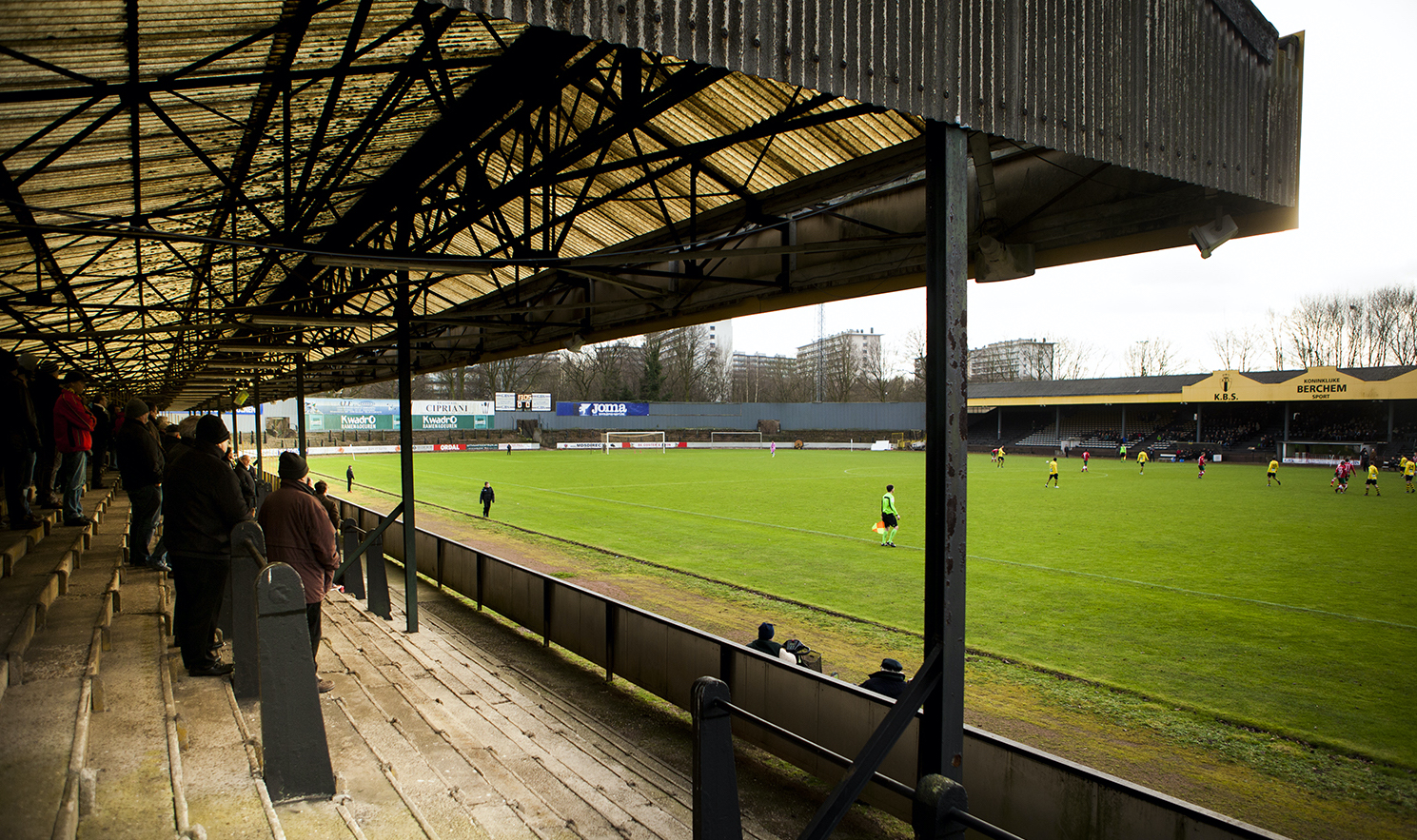
Ludo Coeckstadion
Berchem, Belgium
Antwerp Belgium
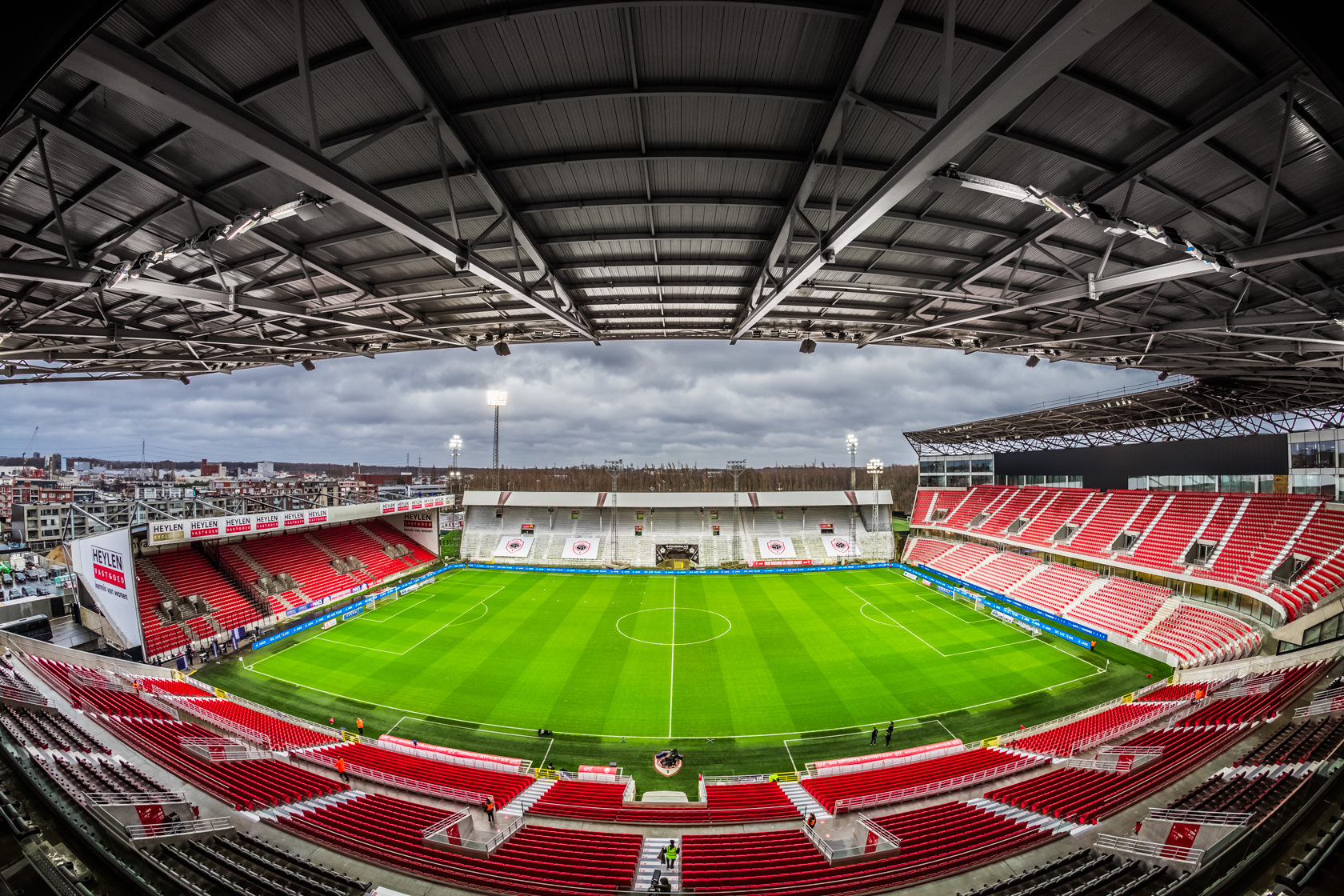
Bosuilstadion is located in the Deurne district of Antwerp, Belgium, and features an official capacity of 16,144 seats. Serving as the historic home ground for Royal Antwerp FC, the oldest football club in the country competing in the Belgian Pro League, this venue is renowned for its combination of a nearly century-old heritage and a modern multi-tiered main stand, creating an intimate, high-intensity atmosphere unique to Belgian sports.
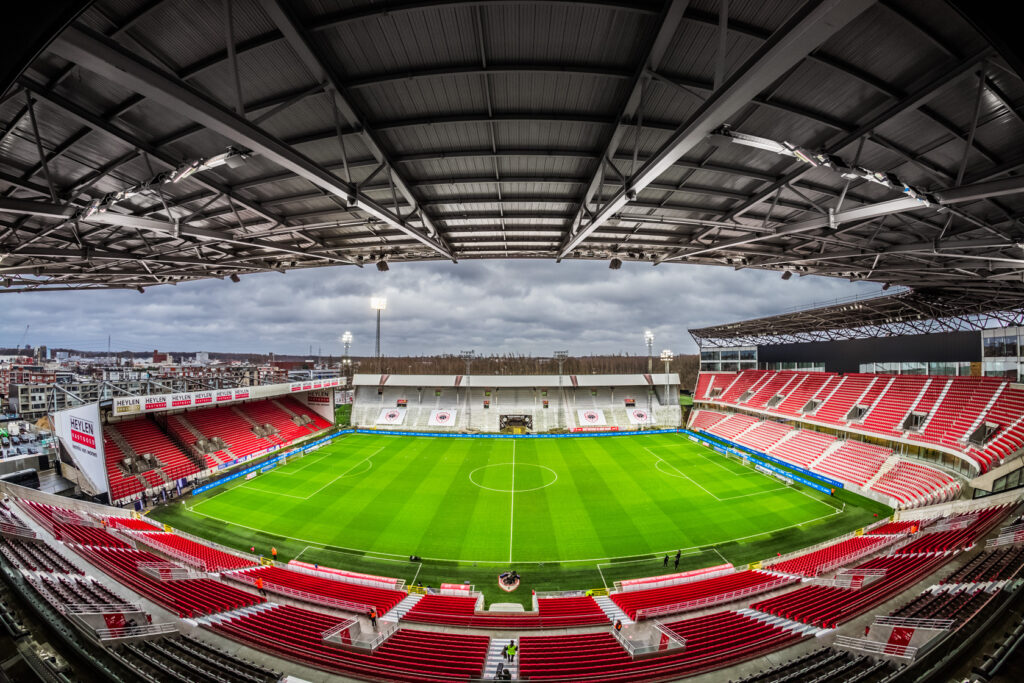
LemmyButler, CC BY-SA 4.0, via Wikimedia Commons
16.144
The ground officially opened on November 1, 1923, with an international match between Belgium and the Netherlands. Royal Antwerp FC moved to the site to establish a permanent home capable of hosting large crowds during the early boom of European football. The venue suffered minimal structural damage during World War II and went on to host legendary European matches, including the 1964 European Cup Winners Cup final replay. Over the decades, individual stands were gradually replaced or closed due to evolving safety regulations, leading to a complete modernization program that transformed the historic ground into a functional contemporary arena.
The architecture presents a visible contrast between twentieth-century football design and modern engineering. The ground is a rectangular football-specific stadium where the stands are positioned close to the touchlines. The modern Tribune 1 and Tribune 4 feature complex concrete bases and cantilevered roofs that cover spectators without obstructing views. This stands in contrast to the older sections, creating an asymmetric look where new concrete structures meet traditional steep tiers that trap vocal acoustics effectively inside the seating bowl.
A massive redevelopment phase began in 2017 when the old, crumbling Tribune 1 was demolished to make way for a state-of-the-art, multi-tier main stand equipped with modern VIP hospitality boxes and media facilities. This was followed by the reconstruction of Tribune 4 behind the goal, which opened in 2020 to house the club vocal home supporters and integrated modern safe-standing options. These aggressive modernization phases replaced aging wooden and basic concrete terraces with all-seater or secure standing configurations conforming to modern UEFA standards.
Situated in the northeastern suburb of Deurne, the arena is deeply embedded in a residential and commercial neighborhood of Antwerp. The matchday experience is defined by a dense local routine where thousands of fans walk through the surrounding streets well before kickoff. On matchdays, the open plazas around the turnstiles fill with the smell of local food stalls and the sound of club anthems, turning the residential quarter into a loud, energetic hub that reflects the working-class roots of the club support base.
The name of the venue translates directly to Tawny Owl Stadium in English, derived from the historical name of the specific wooded plot of land on which the sports complex was built in 1923. Unlike many contemporary arenas in European top-flight leagues, the venue has maintained its traditional geographical title for over a century, resisting corporate naming rights partnerships to preserve its historical identity in Belgian football culture.
The current operational capacity stands at 16,144 for domestic Belgian Pro League fixtures. The capacity is distributed across four primary sections named Tribune 1, Tribune 2, Tribune 3, and Tribune 4. Tribune 1 operates as the main hub for premium seating, corporate lounges, and media representatives. Tribune 2 remains a historic covered seating area, while Tribune 3 faces it on the opposite sideline. Tribune 4 is the modern stand located behind the goal, configured specifically to accommodate the most passionate home fans during domestic campaigns.
The absolute attendance record was set during the mid-twentieth century when the ground regularly welcomed over 55,000 spectators for international derbies between Belgium and the Netherlands, earning it the historical nickname of the Hell of Deurne. Aside from club football, the venue hosted matches for the 1972 UEFA European Championship, including the semifinal fixture between Belgium and West Germany, where legendary forward Gerd Müller scored twice to secure victory for the visiting team.
Football
The stadium is located approximately five kilometers northeast of Antwerp central district and is linked directly via public transport networks. Travelers leaving the Antwerpen-Centraal main railway station can board Tram 5 toward Wijnegem and exit at the Wim Saerensplein stop, which leaves passengers a brief seven-minute walk from the turnstiles. Alternatively, De Lijn bus lines 19 and 410 run regular schedules along the main avenues surrounding Deurne, stopping close to the venue. Drivers coming from the R1 ring road should take exit 18 for Deurne, though local street parking is restricted on matchdays, making public transport the most efficient travel option.
Spectators looking for a premium matchday experience with an unobstructed view of the pitch should book seats in the middle tiers of Tribune 1, which offers excellent comfort, modern padded seating, and full protection from wind and rain under the cantilever roof. Budget-conscious travelers will find good value in Tribune 3, which runs parallel to the touchline and provides a clear side-on view of the match. The most intense and vocal atmosphere is found in Tribune 4, the designated home end where the club ultras gather; this area is loud and unsuitable for families looking for a quiet experience. Away fans are segregated in a specific section of Tribune 2, which features basic amenities and a more restrictive view compared to the newly constructed stands.
No public tours are available; access is restricted outside of official events.
The neighborhood surrounding the arena features traditional supporter pubs and independent street food vendors catering to fans before the match. Local bars situated around the Jan Welterslaan and the surrounding avenues serve regional Belgian beers, with Cristal and De Koninck, the classic Antwerp pale ale, being popular choices among the matchday crowd. Food trucks parked directly outside the stadium perimeter sell traditional Belgian fries served with mayonnaise, currywurst, and grilled sausages, allowing fans to grab a quick meal on the pavement before passing through the security gates.
Security protocols at the gates are strict, especially during high-profile matches against traditional rivals like Beerschot or Club Brugge, requiring thorough body checks and ticket scanning. The arena operates on a completely cashless payment system for all refreshments and snacks inside the concourses, meaning visitors must use debit cards, credit cards, or a dedicated club electronic consumption card to pay. Large bags, umbrellas, plastic bottles, and pyrotechnics are banned from entering the venue, and there are no large storage lockers on site. Visitors are advised to arrive at least seventy-five minutes before kickoff to avoid bottleneck queues at the electronic turnstiles.
The official Royal Antwerp FC Megastore is located directly inside the modern Tribune 1 complex at the stadium site, accessible from the main external parking plaza. The store opens on matchdays and stocks the complete line of official merchandise, including replica home kits, training gear, club scarves, and gifts. On non-matchdays, the shop operates during standard retail hours, providing a single central location for fans to purchase genuine gear, as the club does not maintain a standalone secondary boutique in the historic city center.