SAP Garden
Munich, Germany
Munich Germany
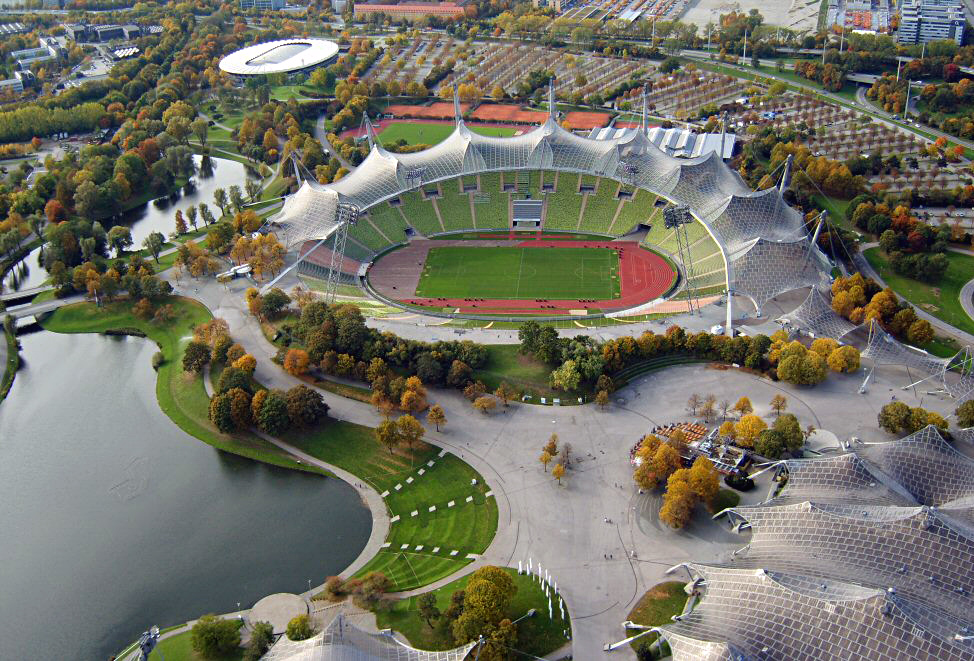
Olympiastadion is a historic multi-purpose stadium located in Munich, Germany, and was originally built for the 1972 Summer Olympics. With a capacity of over 69,000 spectators at its peak, the stadium is internationally recognized for its groundbreaking architecture and iconic tent-like roof structure. Situated within the Olympiapark, it has played a major role in German sports history and remains one of the most famous stadiums in Europe.
69.000
Olympiastadion was opened in 1972 as the centerpiece of the Munich Olympic Games. Following the Olympics, it became the home ground of FC Bayern Munich and TSV 1860 Munich for several decades. The stadium hosted major domestic and international football matches, including tournament finals, before top-level football moved to a newer venue in the 2000s.
The stadium is renowned for its revolutionary tensile roof structure made of acrylic glass, supported by a system of steel cables. This transparent canopy became an architectural landmark and influenced stadium design worldwide. The oval bowl layout and integrated landscape design create a unique visual identity that remains iconic today.
During its years as a football venue, Olympiastadion offered a grand and monumental matchday experience. Its large size and athletics track created a different atmosphere compared to compact football-specific stadiums, emphasizing scale and spectacle. Today, the venue is mainly used for concerts, events and ceremonial occasions.
The stadium is located in the Olympiapark area of Munich, north of the city center. It is easily accessible by public transport, with underground and bus connections serving the park. The surrounding green spaces make the area a popular destination beyond sporting events.
The name Olympiastadion directly reflects its construction for the Olympic Games and its central role within the Olympic Park. The name highlights its international significance rather than any commercial sponsorship.