Hampden Park
Glasgow, Scotland
Glasgow Scotland
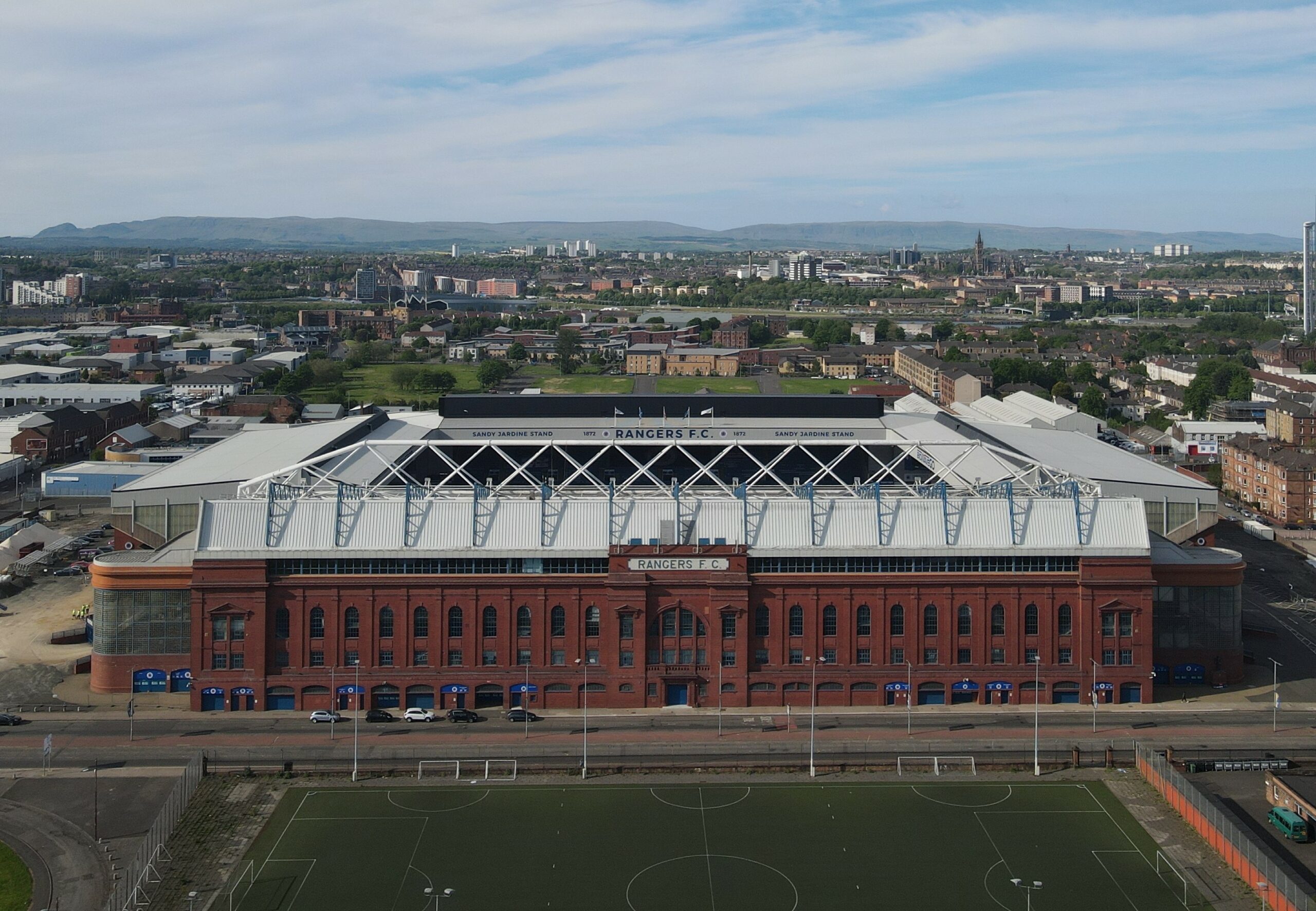
Ibrox Stadium in Glasgow is one of the most historic football venues in the world and the home of Rangers FC. Opened in the 19th century, it is renowned for its architectural heritage, massive support base, and central role in Scottish and European football history.
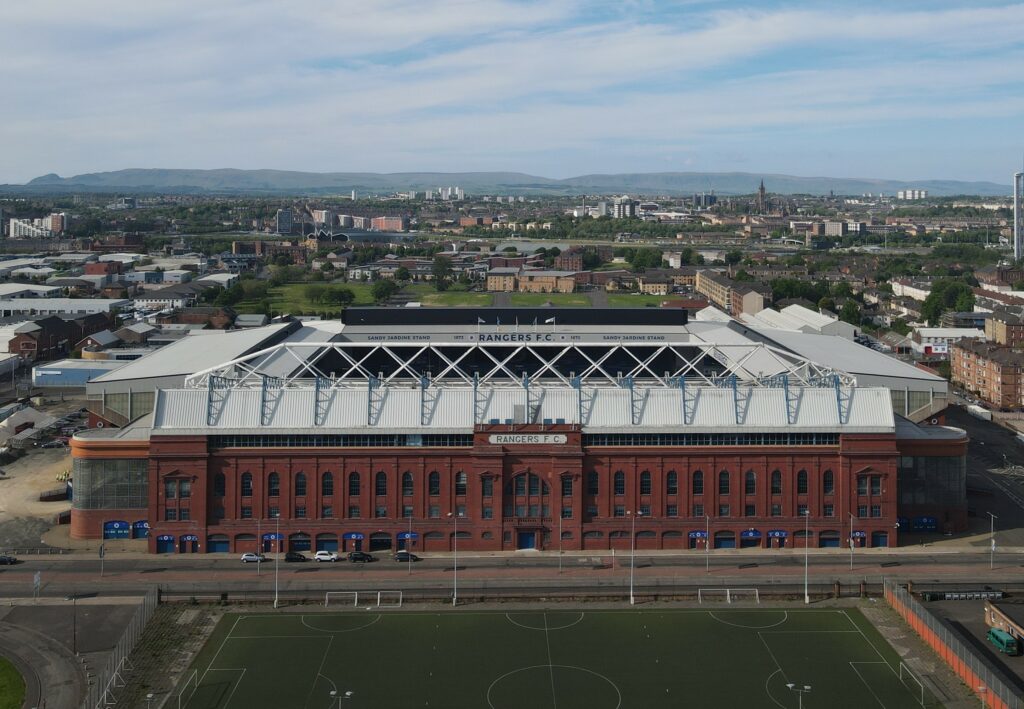
Par Lesterhobbes764 — cropped from "Ibrox Stadium, Rangers FC", CC BY-SA 4.0, Lien
51.700
Ibrox Stadium officially opened in 1899 and has been the home of Rangers ever since. The ground played a pioneering role in stadium safety and design, particularly after the 1902 disaster that led to major reforms in terrace construction across the UK. Ibrox has hosted countless domestic title deciders, Old Firm derbies, and European nights, including matches en route to Rangers’ victory in the 1972 European Cup Winners’ Cup. It also served as a venue during the UEFA Euro 1996 tournament.
Ibrox is famous for its distinctive design, particularly the Main Stand, which was designed by legendary stadium architect Archibald Leitch. With a capacity of around 50,800 spectators, the stadium is an all-seater venue featuring classic red-brick façades, steel balustrades, and steep stands that preserve a traditional football atmosphere while meeting modern standards. The Main Stand is a protected structure, recognized for its historical and architectural significance.
The stadium is located in the Ibrox district of Glasgow, south-west of the city centre. It is well connected by subway, bus, and road, with Ibrox subway station providing direct access on matchdays. Its urban setting places it firmly within the community that has supported the club for generations.
The name Ibrox is derived from the old Scots term “Ibrox,” referring to a badger sett or marshy ground. The area name predates the stadium itself, and the ground simply adopted the name of the district in which it was built.
Ibrox Stadium is considered one of the great traditional grounds of world football. Its combination of architectural heritage, vast support, and deep historical significance sets it apart from many modern venues. For Rangers supporters, Ibrox is not just a stadium but a symbol of identity, continuity, and pride.