Hampden Park
Glasgow, Scotland
Glasgow Scotland
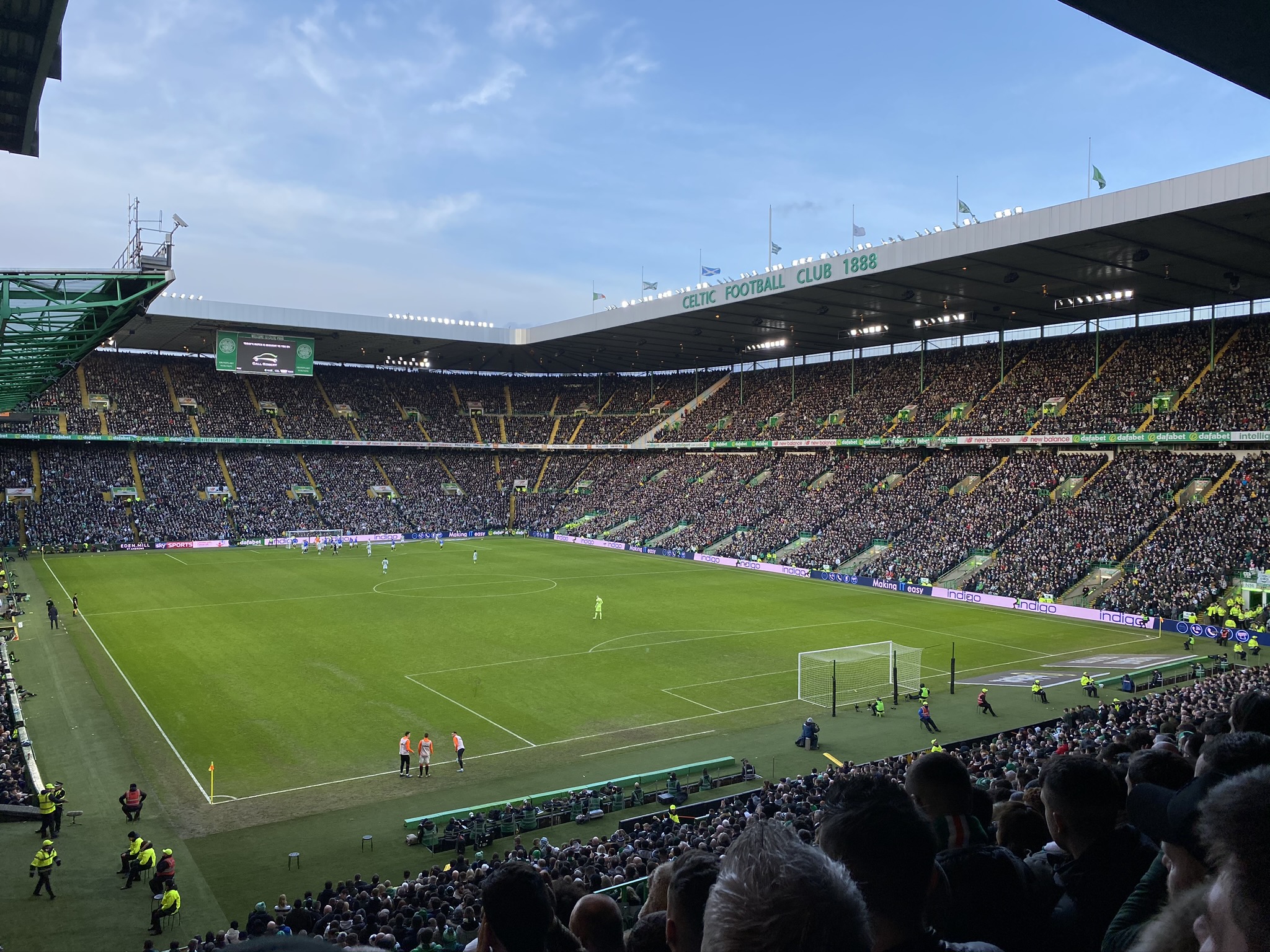
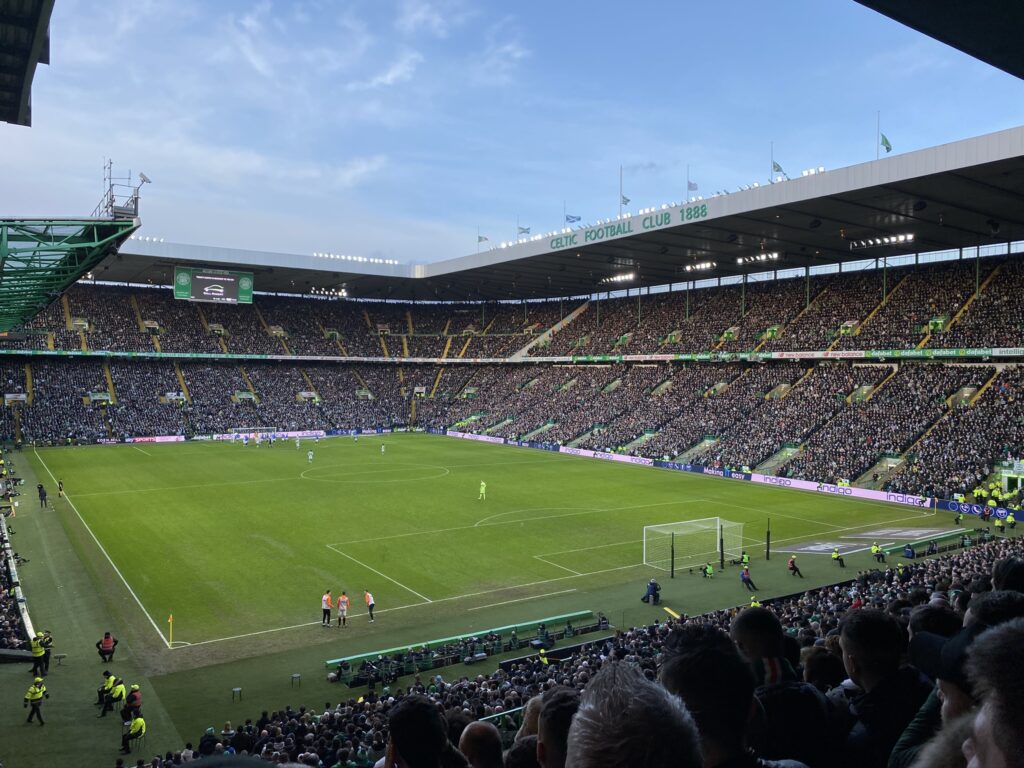
Celtic Park in Glasgow, Scotland, is one of the most iconic football stadiums in Europe and the historic home of Celtic FC. Nicknamed Paradise, it is renowned for its massive capacity, passionate supporters, and unforgettable European nights.
By Vincenzo.togni - Own work, CC BY-SA 4.0, Link
60.411
Celtic Park opened in 1892, the same year Celtic FC moved to its current location in the Parkhead area of Glasgow. Over more than a century, the stadium has been the stage for domestic dominance, historic European campaigns, and legendary moments in Scottish football. Celtic Park gained worldwide recognition during the club’s European successes, particularly in the 1960s, when Celtic became the first British club to win the European Cup in 1967.
The stadium has a capacity of around 60,400 spectators, making it the largest football stadium in Scotland. Its modern layout was largely shaped by major redevelopments in the 1990s, transforming it into a four-stand, all-seater stadium while retaining its intense atmosphere. The steep stands, especially the North Curve, play a key role in amplifying crowd noise and creating one of the most intimidating environments in European football.
Celtic Park is located in Parkhead, in the east end of Glasgow. The stadium is well connected by road and public transport, with nearby rail and bus links serving matchday crowds. Its setting within a traditionally working-class area reinforces the strong bond between the club and the local community.
The stadium takes its name directly from Celtic Football Club, which was founded in 1887 with strong Irish and Catholic roots. The name reflects the club’s identity and heritage, while the nickname “Paradise” emerged from supporters who described the stadium as a special place of belonging and celebration.
Celtic Park is widely regarded as one of the great cathedrals of football. Famous for its atmosphere during UEFA Champions League matches, it has been praised by players and managers from across Europe. Its size, history, and emotional connection to supporters make it a landmark not only of Scottish football but of the global game.