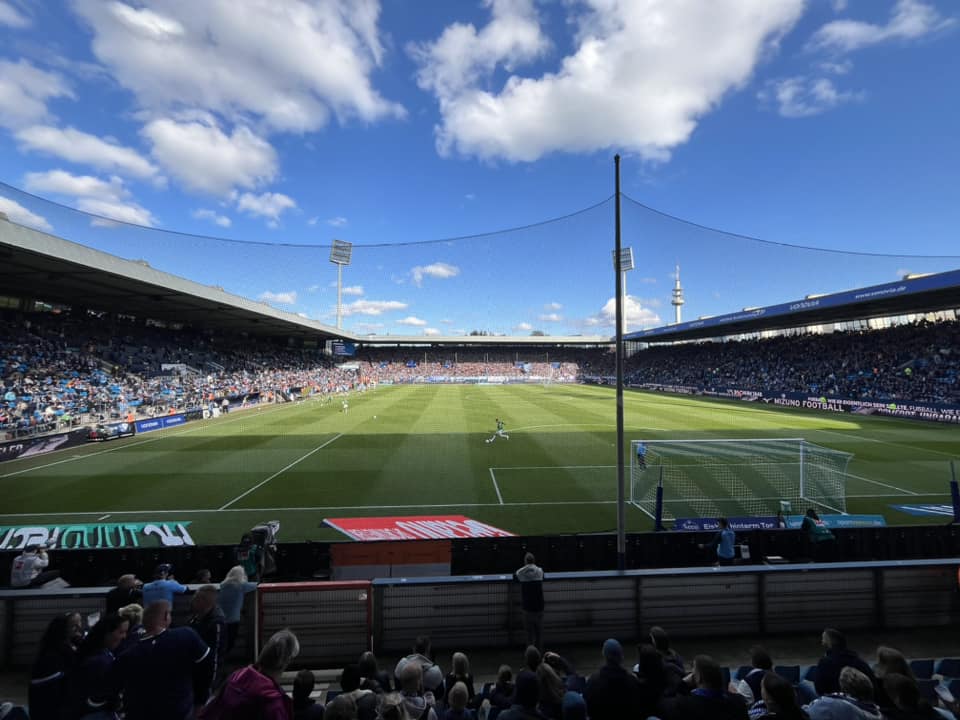
Vonovia Ruhrstadion
Bochum, Germany
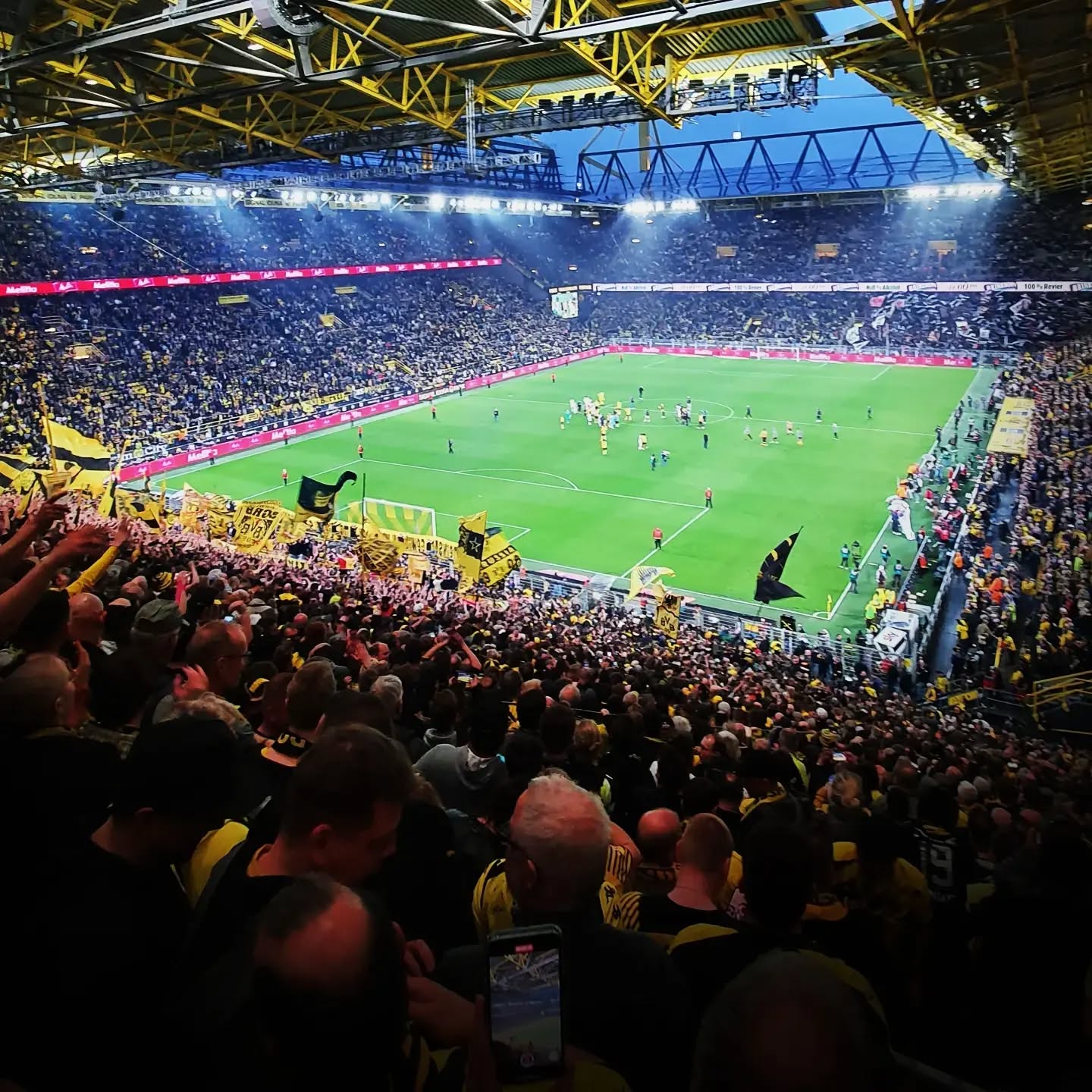
Dortmund Germany
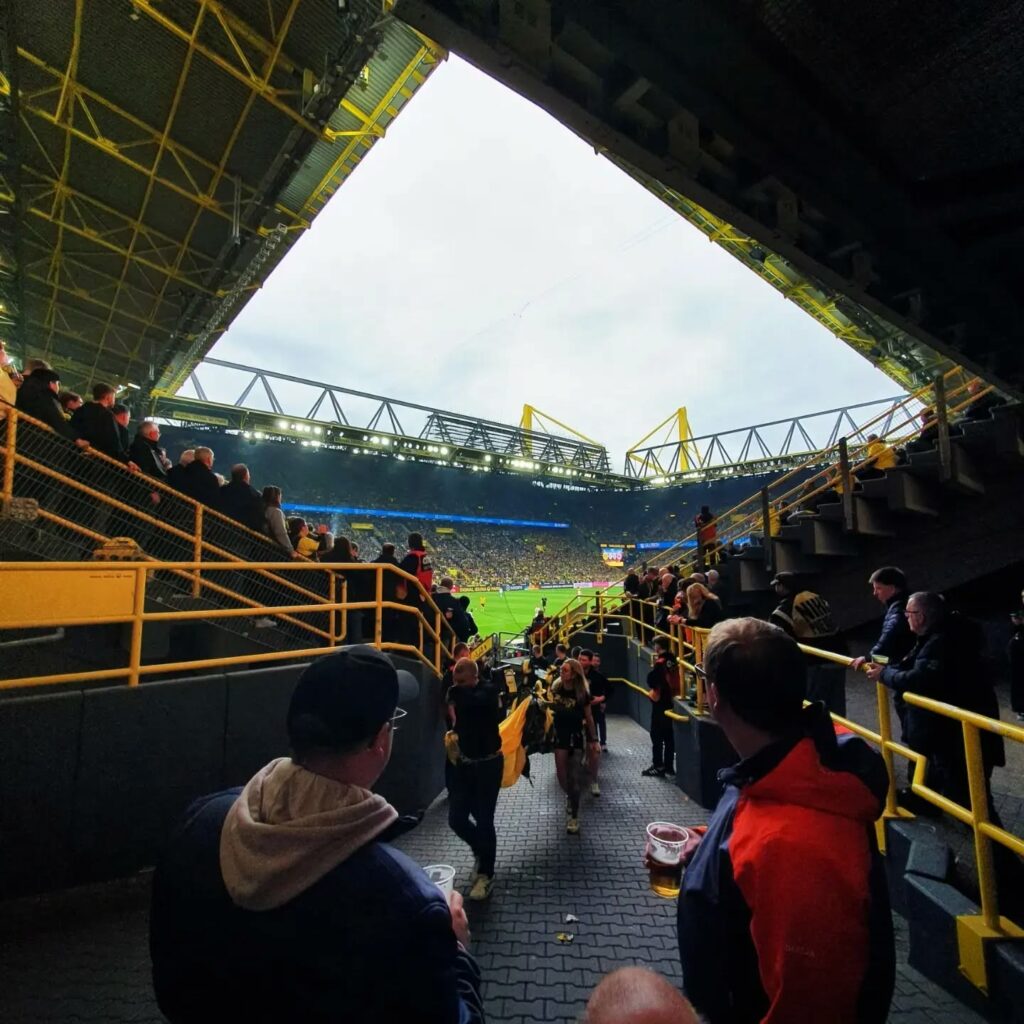
Signal Iduna Park is a football stadium located in Dortmund, Germany, and serves as the home ground of Borussia Dortmund. Opened in the 1970s and expanded over time, the stadium has a capacity of over 81,000 spectators, making it the largest football stadium in Germany. Renowned worldwide for its atmosphere, it is considered one of the most iconic venues in European football.
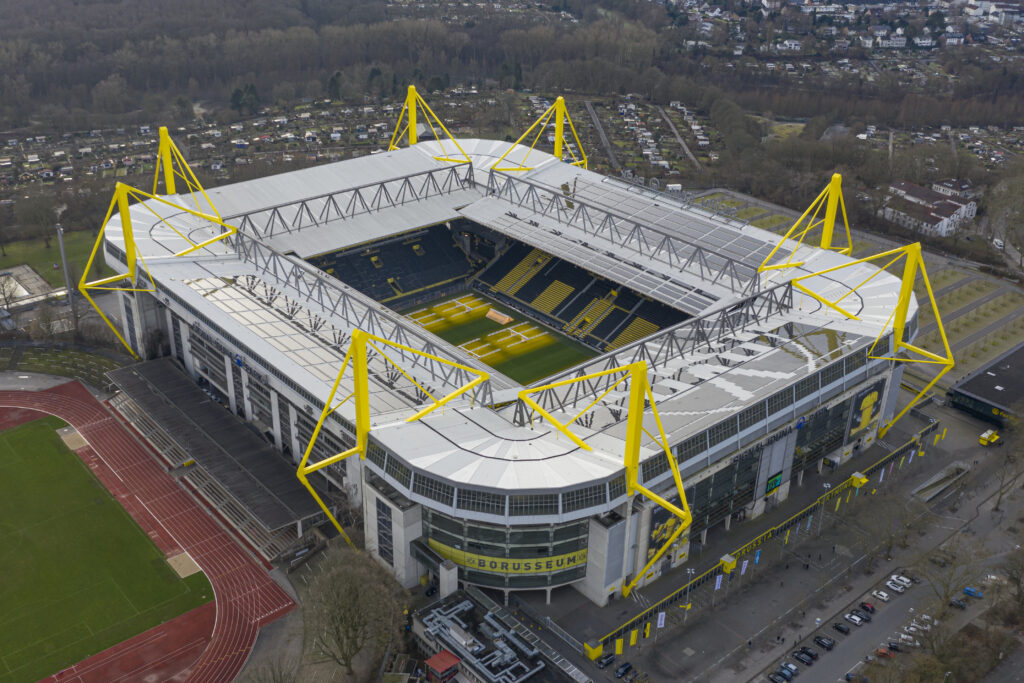
Arne Müseler / www.arne-mueseler.com, CC BY-SA 3.0 DE, via Wikimedia Commons
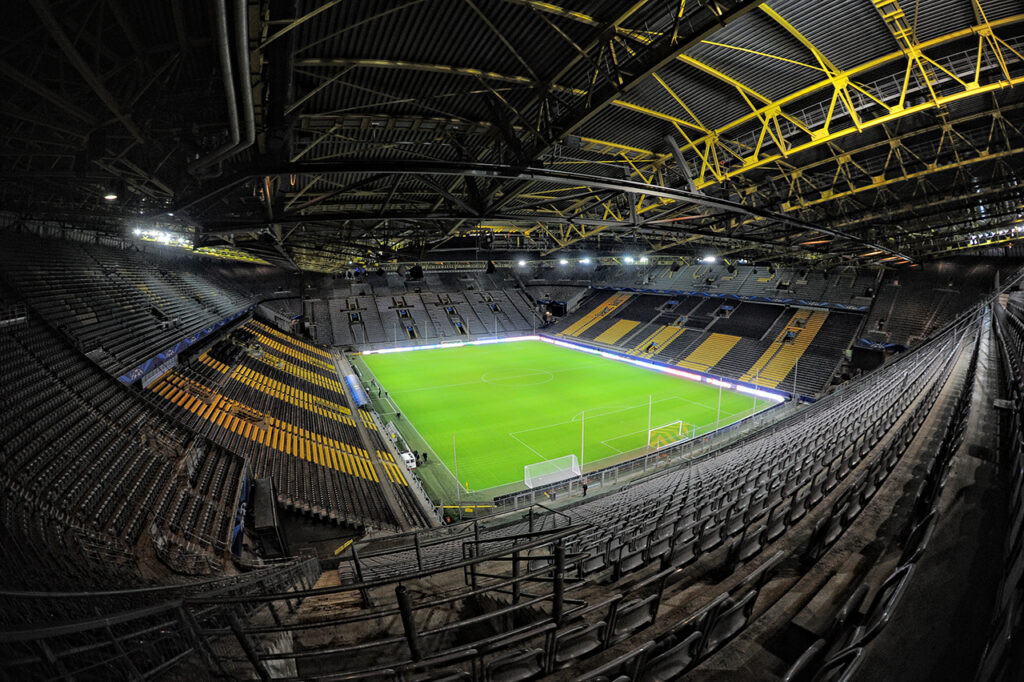
Валерий Дед, CC BY 3.0, via Wikimedia Commons
81.365
Signal Iduna Park was inaugurated in 1974 ahead of a major international tournament and quickly became the centerpiece of football in Dortmund. Through several expansion and modernization phases, the stadium evolved into Germany’s largest football venue. It has hosted Bundesliga matches, European competitions and international fixtures for decades.
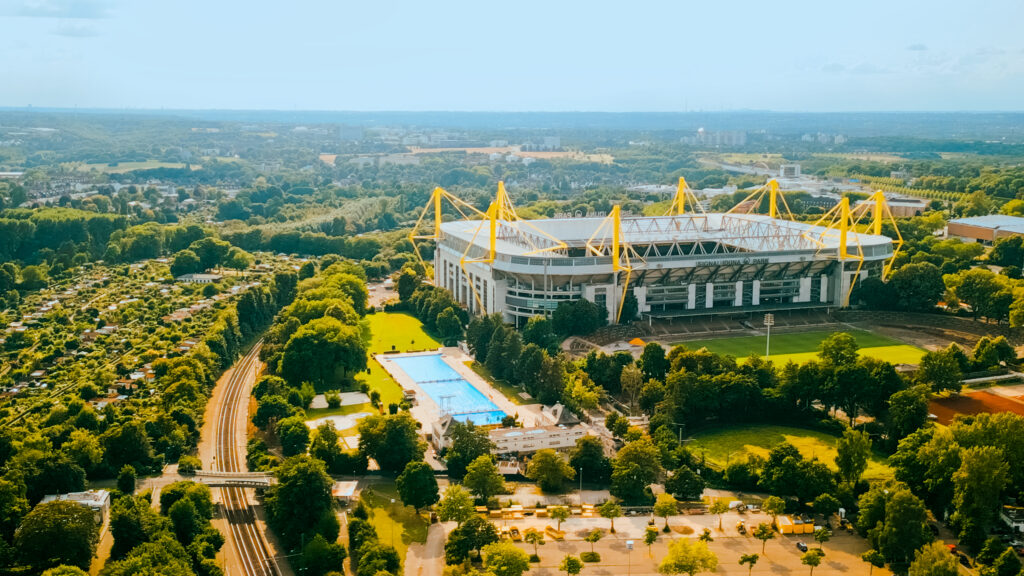
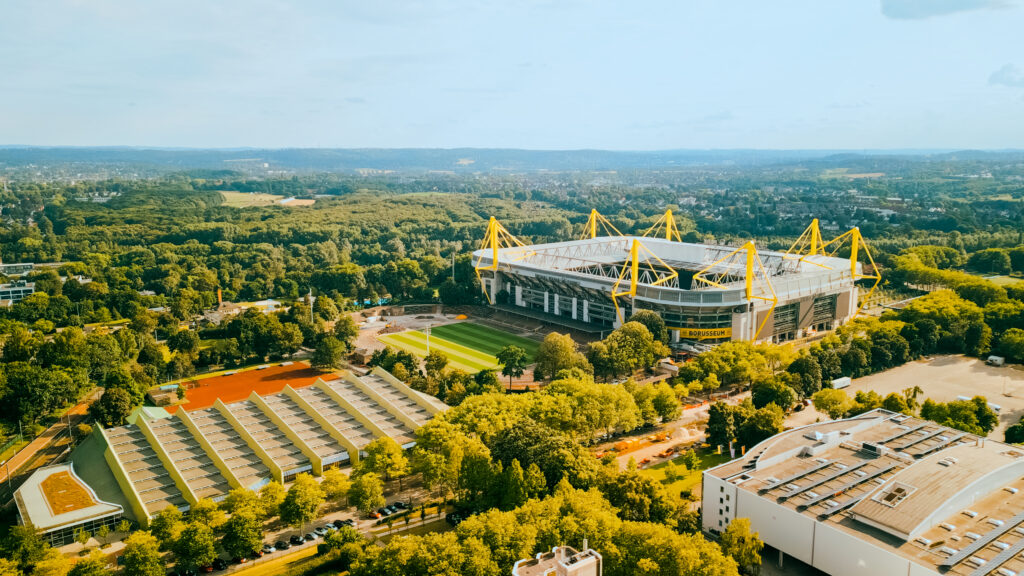
The stadium features a rectangular football-specific layout with four massive stands enclosing the pitch. Its most distinctive element is the steep south stand, which forms the largest standing terrace in European football. The roof structure and corner pylons give the stadium a highly recognizable silhouette.
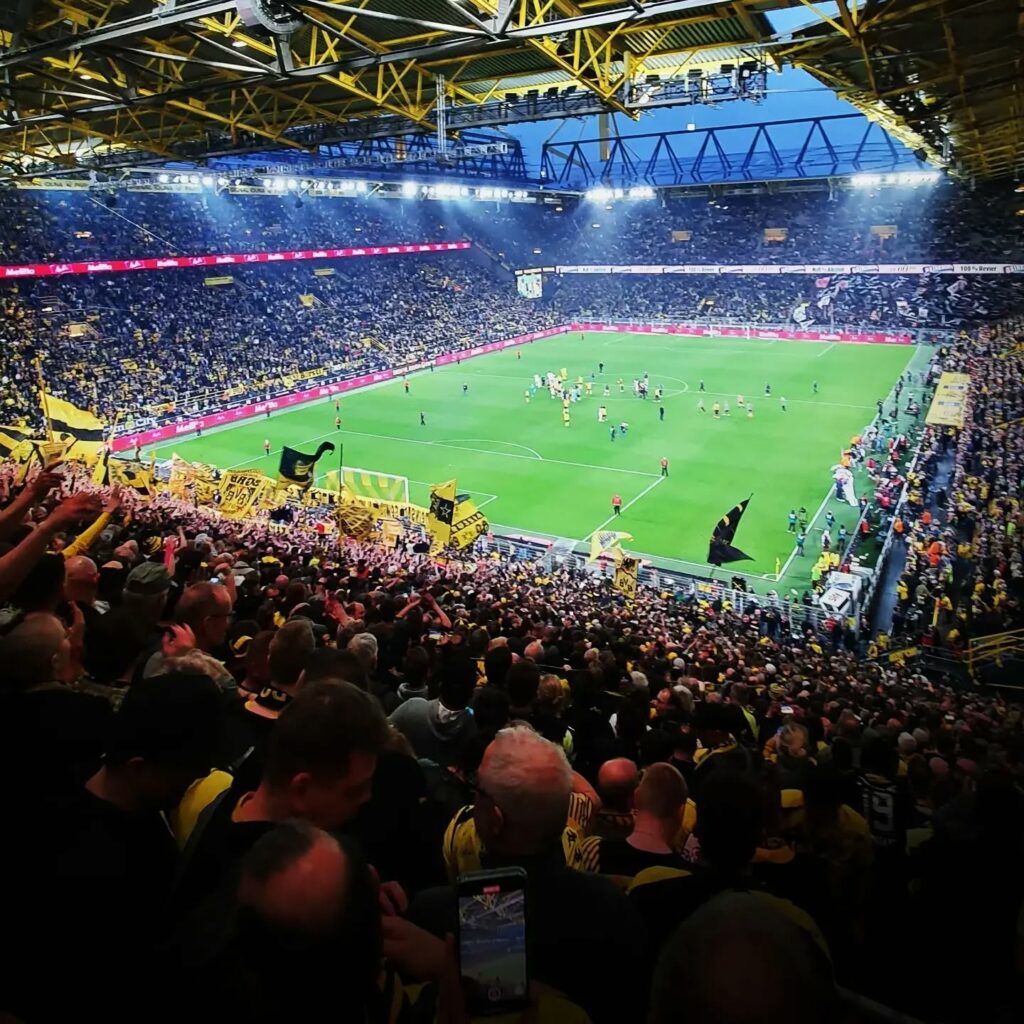
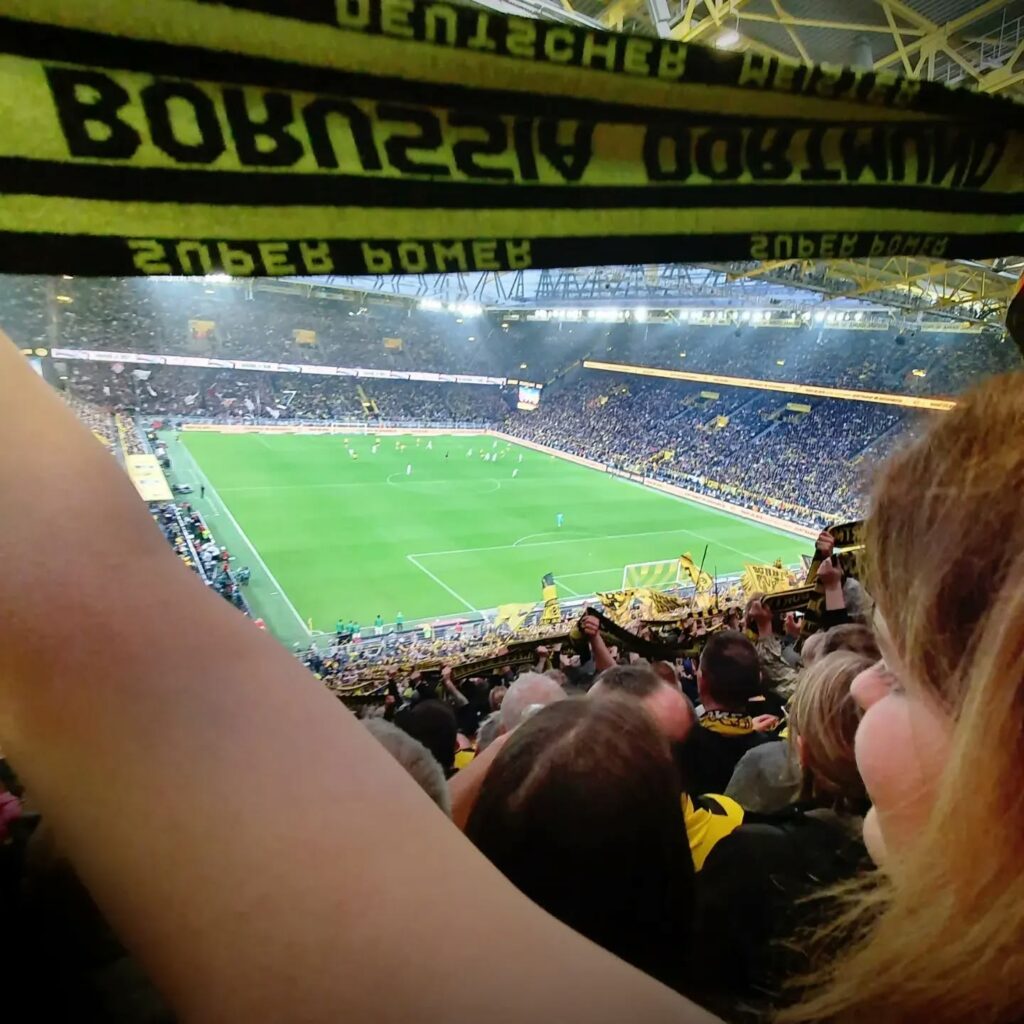
Matchdays at Signal Iduna Park are famous for their overwhelming and intimidating atmosphere. Borussia Dortmund supporters create constant noise, coordinated chants and large-scale displays, particularly on the south stand. The intensity of the crowd makes the stadium one of the most challenging away venues in world football.
The stadium is located south of Dortmund city center within a large sports complex. It is easily accessible by suburban rail, underground and bus services, with efficient matchday transport connecting it to the city and surrounding Ruhr region.
The name Signal Iduna Park comes from a naming rights agreement with Signal Iduna Group, a German insurance company. The stadium is also widely known by its former traditional name, reflecting its long-standing identity among supporters.